
 EN
EN
 English
 Español
 русский
 简体中文
简体中文

The most common mistake in current shunt resistor selection is treating the continuous current rating as the main specification. A shunt that can pass 100 A can still create a 2% error if its resistance drifts under self-heating, if solder and trace resistance distort the sense voltage, or if layout noise couples into the Kelvin loop. Th...
Read More
x
About Us
Zhejiang Fanhar Electronics Co., Ltd.
Zhejiang Fanhar Electronics Co., Ltd. is China Custom Relay Socket Suppliers and DIN Rail Socket Manufacturers, a national high-tech enterprise specializing in R&D, manufacturing, and sales of relays. Our products are widely applied in smart home systems, photovoltaic new energy, charging piles, smart meters, industrial control, and other fields.
Currently, we have a professional team of nearly 600 employees and operate 35 fully automated production lines, with 40% of our products exported to over 20 countries worldwide. To better serve our customers and meet market demands, we continuously improve our products and manufacturing technologies, investing 6%-8% of annual sales revenue in R&D and innovation.
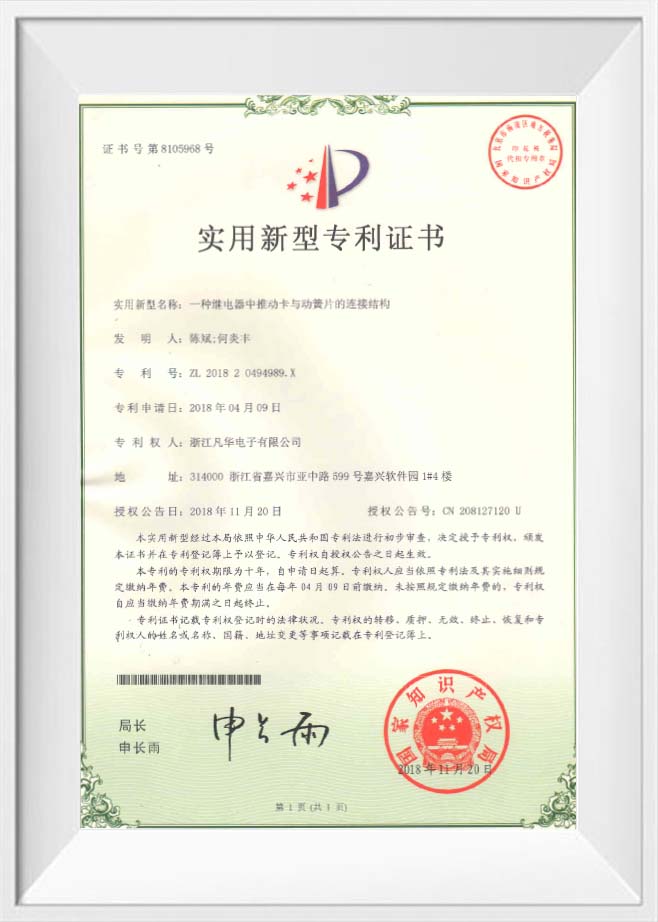
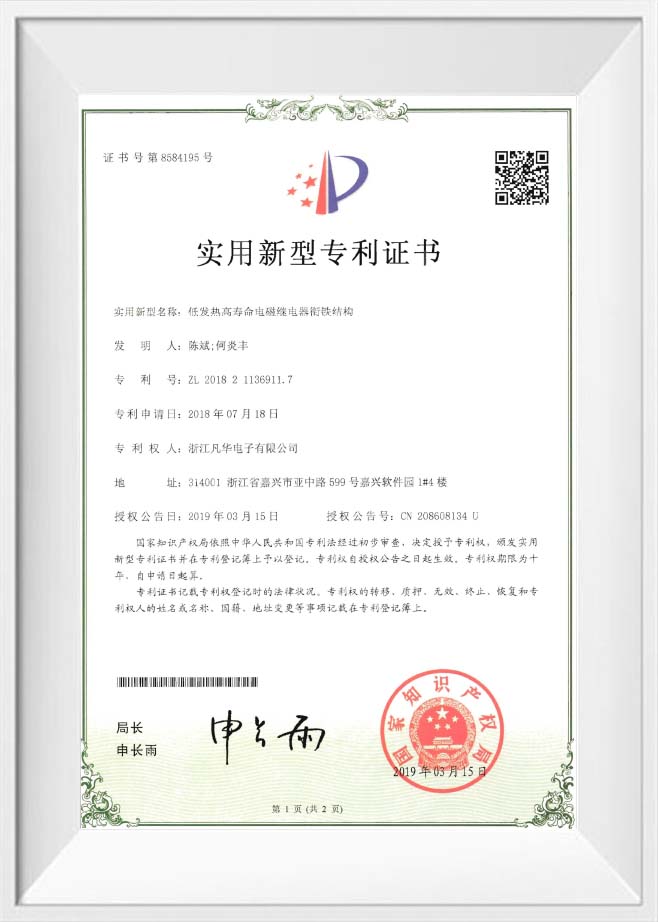
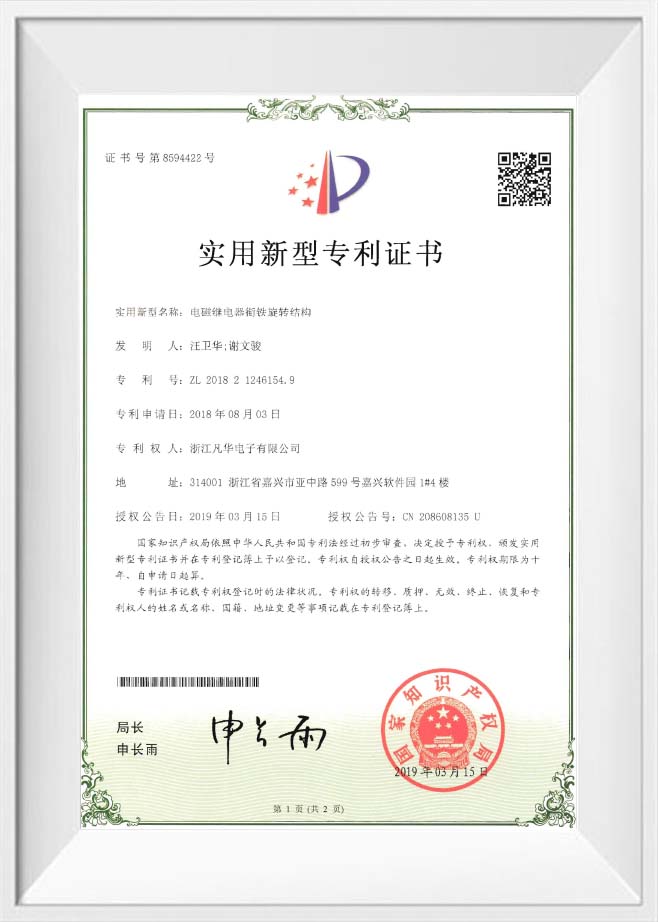
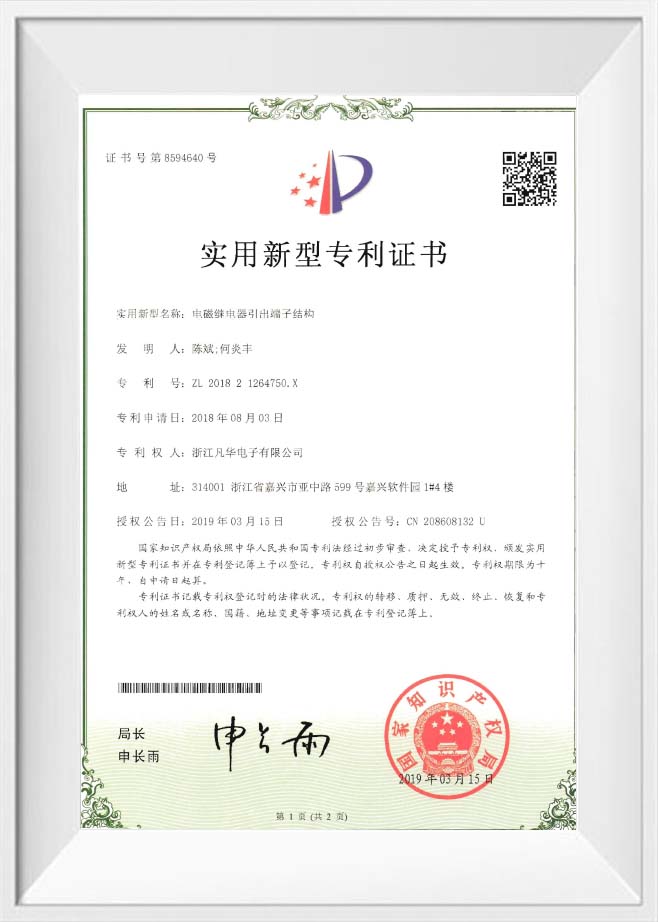
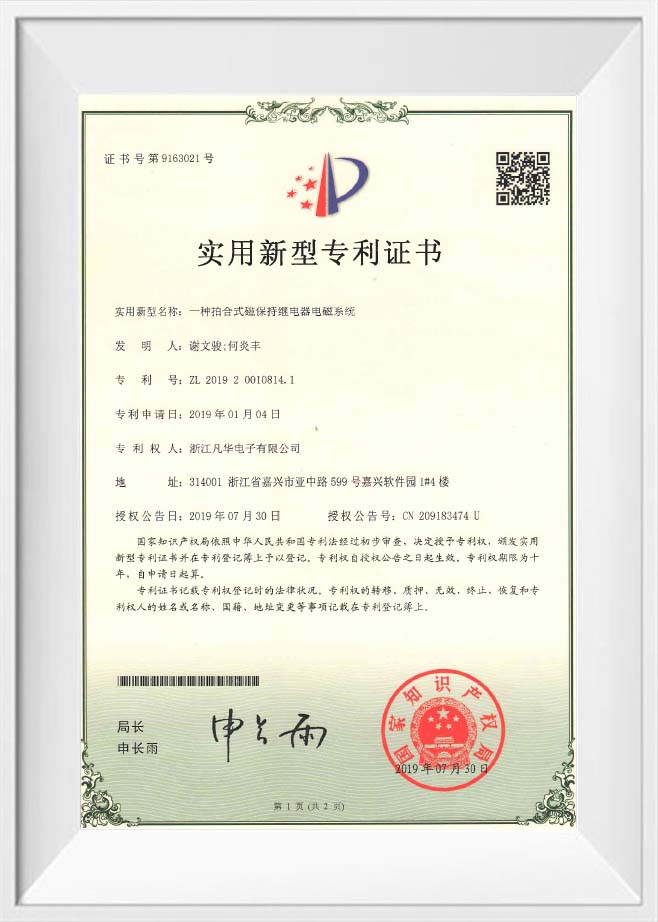
With a strong emphasis on technological innovation, we have been recognized as a National High-Tech Enterprise and Provincial R&D Center, holding more than 50 national patents. Our products have obtained international certifications, including ISO9001、ISO14001 and ISO45001, as well as authoritative UL、TUV and CQC certifications, fully complying with EU ROHS/REACH directives.
Maintaining a 98% delivery satisfaction rate, our products serve global industry leaders such as Huawei, Bull, and Eaton in smart home, industrial control, new energy, and power meter applications. Looking ahead, Fanhar Electronics will continue expanding production capacity and deepening our presence in the new energy market, striving to become a provider in the relay industry. We offer Relay Connector for sale.
Certificate Of Honor
News
-
-
Relays, as classic electrically controlled switching components, are powerful because they can use small current signals to control the switching and toggling of large current loads, and implement basic logic functions. This control method, based on physical contacts, holds advantages in noise immunity, electrical isolation, and power ha...
Read More -
With the rapid proliferation of new energy power generation, energy storage systems, and electric vehicle fast chargers, power relays—as critical switching components in circuits—play a vital role in determining the overall stability of equipment through their current-carrying capacity, safety isolation level, and long-term reliability....
Read More
Relay Socket Industry Knowledge
What Are the Different Types of Relay Sockets and Their Applications?
Relay sockets are an integral component in any electrical or electronic system that uses relays. Whether it’s industrial automation, smart home systems, photovoltaic energy systems, or charging piles, these relay connectors ensure the safe and efficient operation of relays within various applications.
What is a Relay Socket?
A relay socket serves as an interface between a relay and the rest of the electrical circuit. It allows the relay to be easily mounted and replaced, ensuring a secure electrical connection. The relay socket provides mechanical support and ensures that electrical connections between the relay and the circuit are both stable and reliable.
Relay sockets come in various types and configurations depending on the application requirements, such as DIN rail-mounted sockets, panel-mounted sockets, and plug-in relay sockets.
Types of Relay Sockets
DIN Rail Relay Sockets
DIN rail relay sockets are designed to be mounted on DIN rails, which are standard metal rails used for mounting electrical components. These sockets offer a secure connection and easy installation, making them ideal for industrial control panels and machinery where space efficiency and ease of maintenance are critical.
Key Features:
- Mounting Type: DIN rail (35mm or 15mm)
- Connection Type: Screw terminals or push-in terminals
- Applications: Used in control panels, automation systems, and industrial applications.
Material: Typically made of high-strength plastic or polyamide for durability.
Advantages:
- Easy to install and remove relays
- Space-saving design for compact installations
- Offers good insulation properties
Panel-Mounted Relay Sockets
Panel-mounted relay sockets are designed to be installed directly onto a panel or surface. These sockets are often used in applications where the relay needs to be mounted in an easily accessible location for maintenance or replacement.
Key Features:
- Mounting Type: Surface or panel-mounted
- Connection Type: Screw terminals
- Applications: Control panels, industrial equipment, and automation systems.
Material: Commonly made of heat-resistant plastic or thermoplastic materials.
Advantages:
- Convenient for applications that require easy access to relays
- Provides secure mounting for relays
- Versatile in installation
Plug-In Relay Sockets
Plug-in relay sockets are designed to allow quick installation and removal of relays. These sockets are often used in applications that require frequent relay changes or where relays need to be replaced without disrupting the rest of the system.
Key Features:
- Mounting Type: Plug-in, often with a detachable socket
- Connection Type: Spring terminals or screw terminals
- Applications: Industrial control, HVAC systems, and home appliances.
Material: Typically made of durable thermoplastic materials.
Advantages:
- Fast and easy relay replacement
- Ideal for applications that require frequent maintenance or upgrades
- Reliable electrical connections
Surface-Mount Relay Sockets
Surface-mount relay sockets are compact and designed for modern PCB (printed circuit board) applications. They are ideal for use in devices where space is limited and a high level of reliability is required.
Key Features:
- Mounting Type: Surface-mounted on PCBs
- Connection Type: SMD (Surface Mount Device) or traditional soldering
- Applications: Consumer electronics, embedded systems, and compact devices.
Material: Made from high-temperature-resistant plastic and sometimes metal components for better durability.
Advantages:
- Space-saving and compact design
- High reliability and soldering strength
- Suitable for mass production
2. Relay Socket Applications
Relay sockets are used in a wide range of applications across different industries. Their primary function is to provide a reliable electrical connection to the relay, but the type of socket chosen can vary depending on the application requirements.
Industrial Control Systems
In industrial control systems, DIN rail relay sockets are commonly used due to their easy installation, durability, and ability to handle heavy-duty applications. These systems often involve complex circuits where quick relay replacement is essential for maintaining operational efficiency.
Smart Home Systems
Smart home systems often rely on panel-mounted relay sockets to manage various electrical components such as lighting, HVAC systems, and security devices. These systems need reliable connections, and panel-mounted sockets ensure that maintenance can be performed without disrupting the entire system.
Photovoltaic and Renewable Energy Systems
Photovoltaic (solar) energy systems often use plug-in relay sockets to manage the electrical connections between solar panels and batteries. These systems need components that are easy to replace or upgrade, which makes plug-in sockets a popular choice in this application.
Electric Vehicle Charging Stations
Electric vehicle (EV) charging stations utilize DIN rail sockets to securely mount relays that manage the power distribution for charging. Since charging stations are often exposed to harsh environmental conditions, the sockets need to offer high durability and reliability.
Choosing the Right Relay Socket
When selecting the right relay socket for an application, several factors need to be considered to ensure optimal performance. Some of these factors include:
- Voltage and Current Rating: The socket must be rated for the specific voltage and current requirements of the system.
- Size and Mounting Type: The available space for installation and the preferred mounting style (DIN rail, panel mount, etc.) should be taken into account.
- Material: The material used for the socket should be chosen based on the environmental conditions, such as temperature, humidity, and potential exposure to chemicals.
- Connection Type: Depending on the type of relay and ease of installation, the connection type (screw terminal, push-in, etc.) should be considered.
Comparison of Different Relay Sockets
| Socket Type | Mounting Type | Key Features | Applications | Material |
|---|---|---|---|---|
| DIN Rail Socket | DIN Rail (35mm/15mm) | Screw or push-in terminals | Industrial, control panels | Polyamide/Plastic |
| Panel-Mounted Socket | Surface Mount | Screw terminals | Industrial, automation | Thermoplastic |
| Plug-In Socket | Plug-in | Spring or screw terminals | HVAC, consumer electronics | Thermoplastic |
| Surface-Mount Socket | PCB Surface Mount | SMD or solder terminals | Consumer electronics | Heat-resistant plastic |
FAQ
Q1: What is the difference between a DIN rail socket and a panel-mounted socket?
A1: DIN rail sockets are mounted on standardized DIN rails, offering a more efficient and compact installation. Panel-mounted sockets are directly attached to panels or surfaces and are commonly used when easy access for maintenance is required.
Q2: Can relay sockets be customized for specific applications?
A2: Yes, Zhejiang Fanhar Electronics Co., Ltd. offer customized relay sockets, including unique mounting options and specialized features based on customer requirements.
Q3: What factors should I consider when selecting a relay socket?
A3: Consider the voltage, current rating, mounting type, material durability, and connection type when selecting a relay socket to ensure compatibility with your system and ensure safe, reliable operation.
Q4: Are relay sockets compatible with all types of relays?
A4: Relay sockets are generally designed to be compatible with specific types of relays, including those used in industrial control systems, smart home applications, and renewable energy systems. Ensure you select a socket that matches your relay’s specifications.
Q5: How do I know if my relay socket is of high quality?
A5: High-quality relay sockets typically comply with international standards like ISO9001 and certifications such as UL, TUV, and CQC. Choosing a reputable manufacturer, like Zhejiang Fanhar Electronics Co., Ltd., ensures product reliability and durability.
Conclusion
Relay sockets are essential components in various electrical and electronic systems, providing safe, reliable, and efficient connections between relays and circuits. By understanding the different types of relay sockets and their specific applications, you can make an informed decision when selecting the most suitable socket for your needs.

- Tel +86-573-82237888
- Email [email protected]
- Address No. 828, Xinchang Road, Nanhu District, Jiaxing, Zhejiang, China
Products
