
 EN
EN
 English
 Español
 русский
 简体中文
简体中文

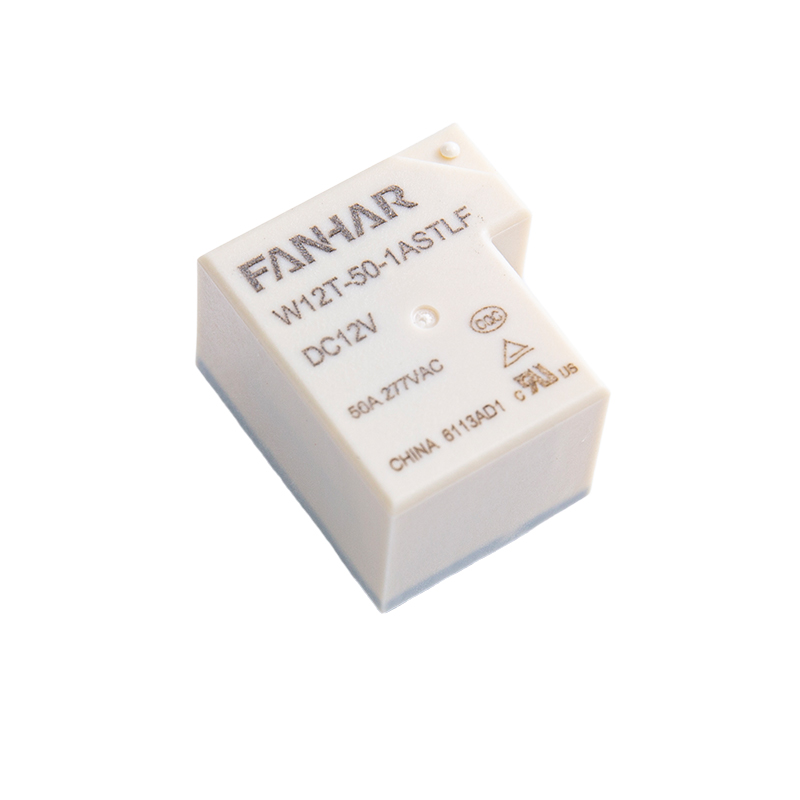
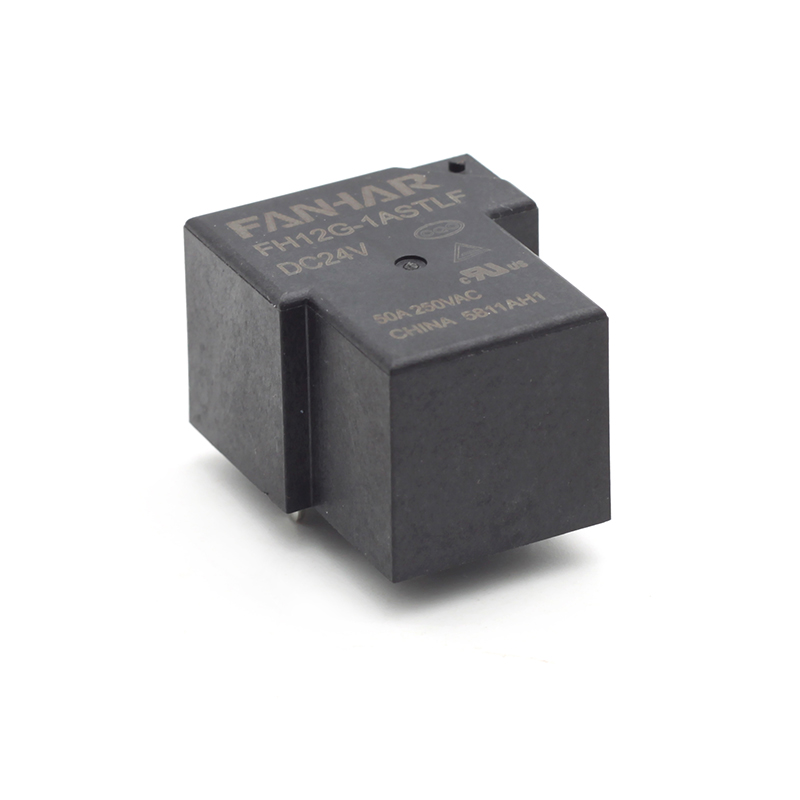
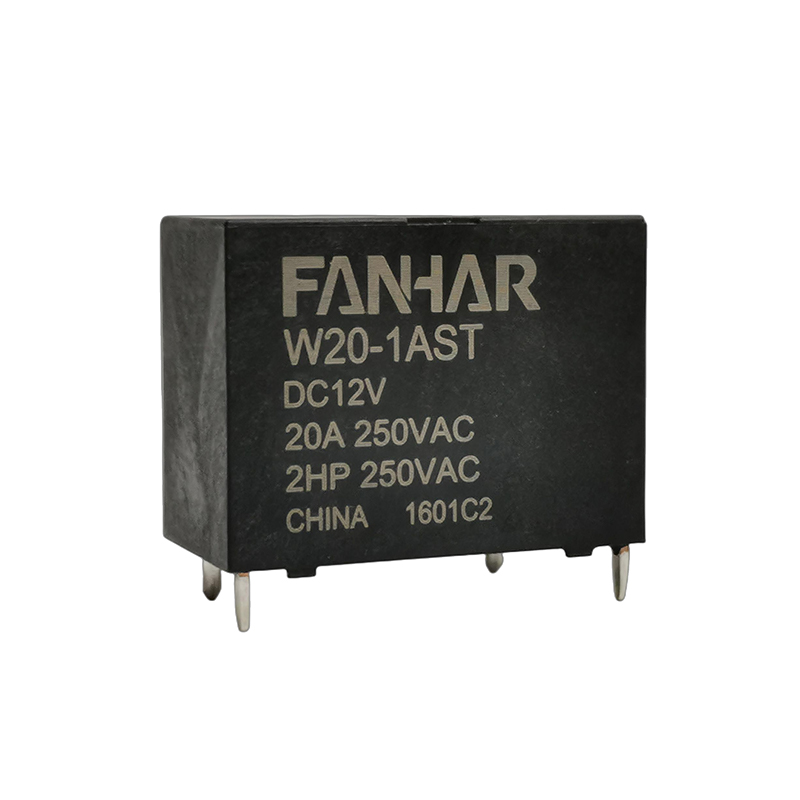
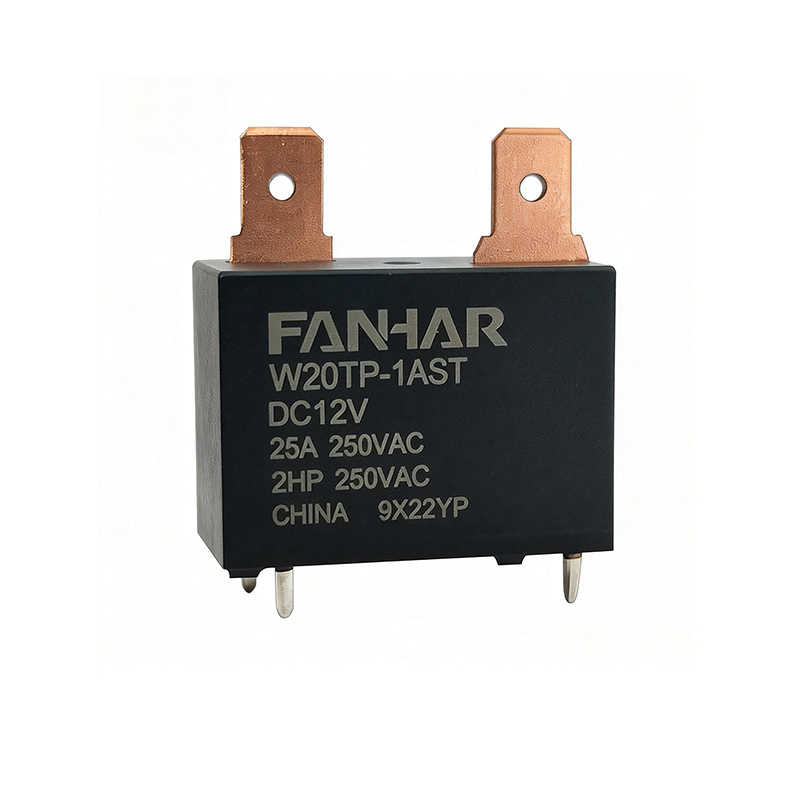
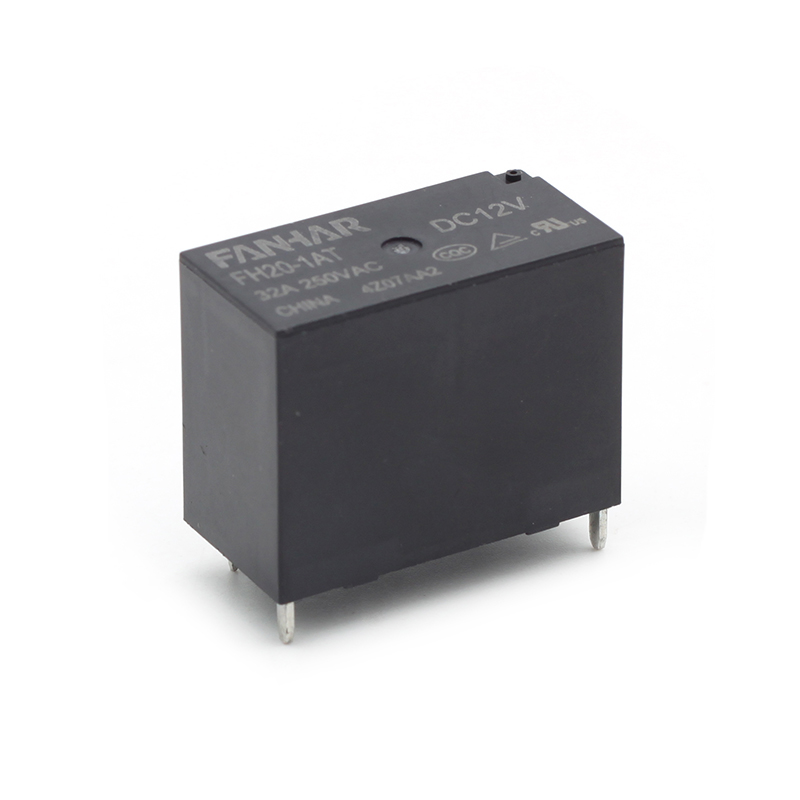
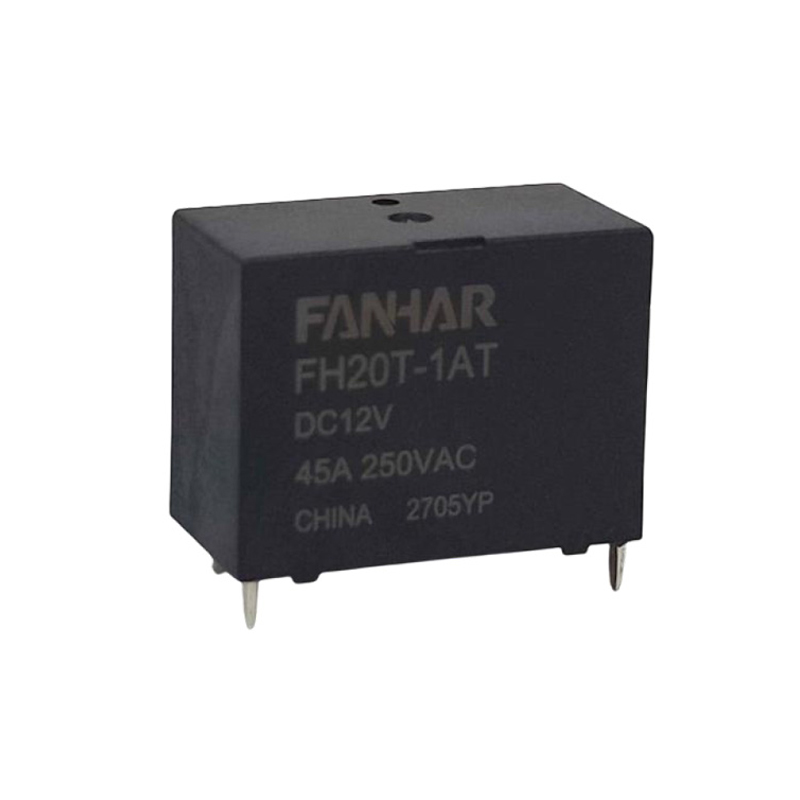
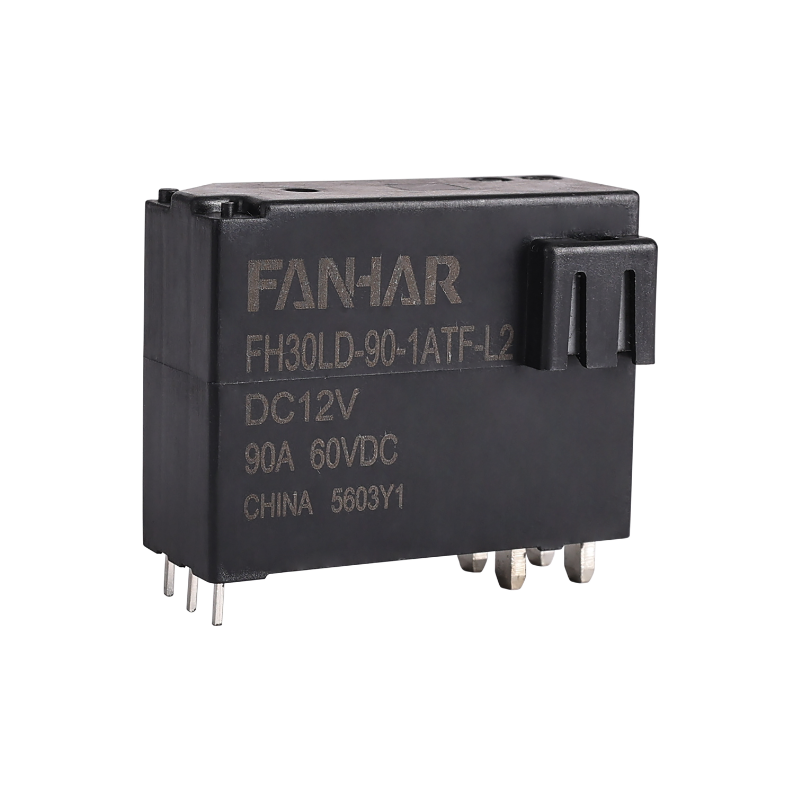
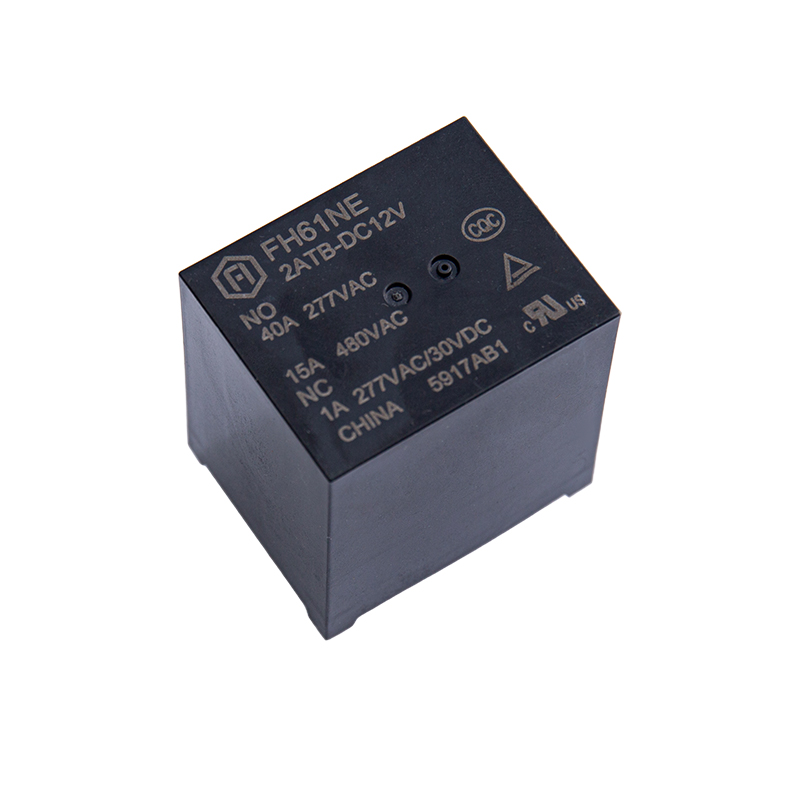
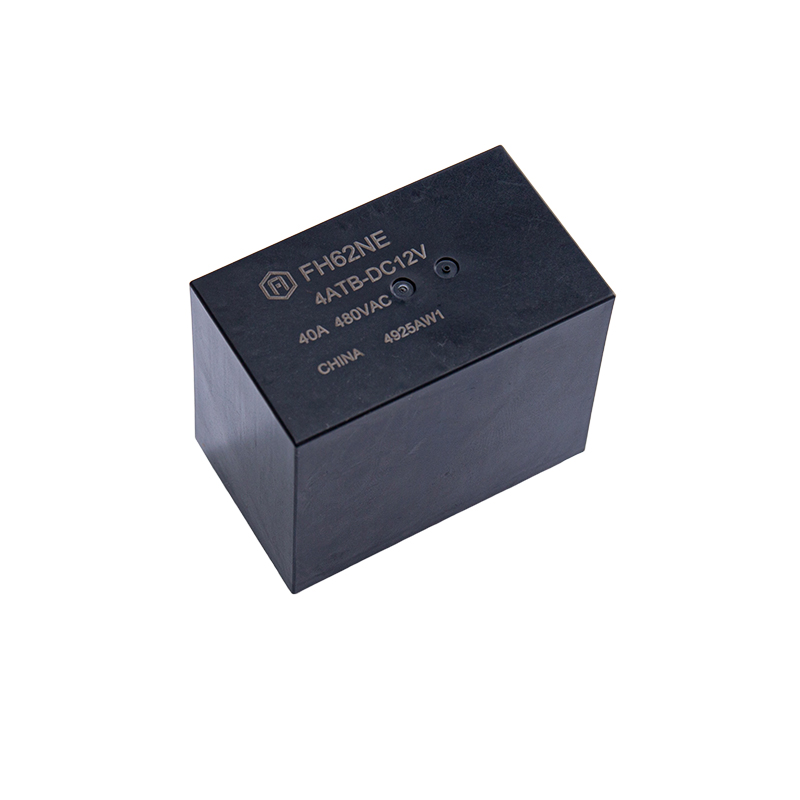
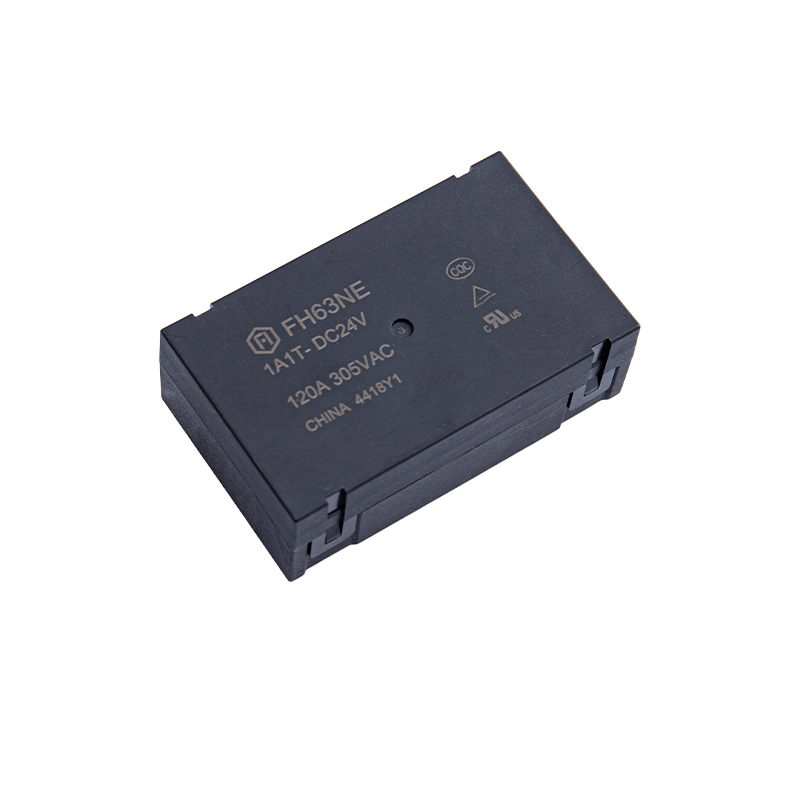
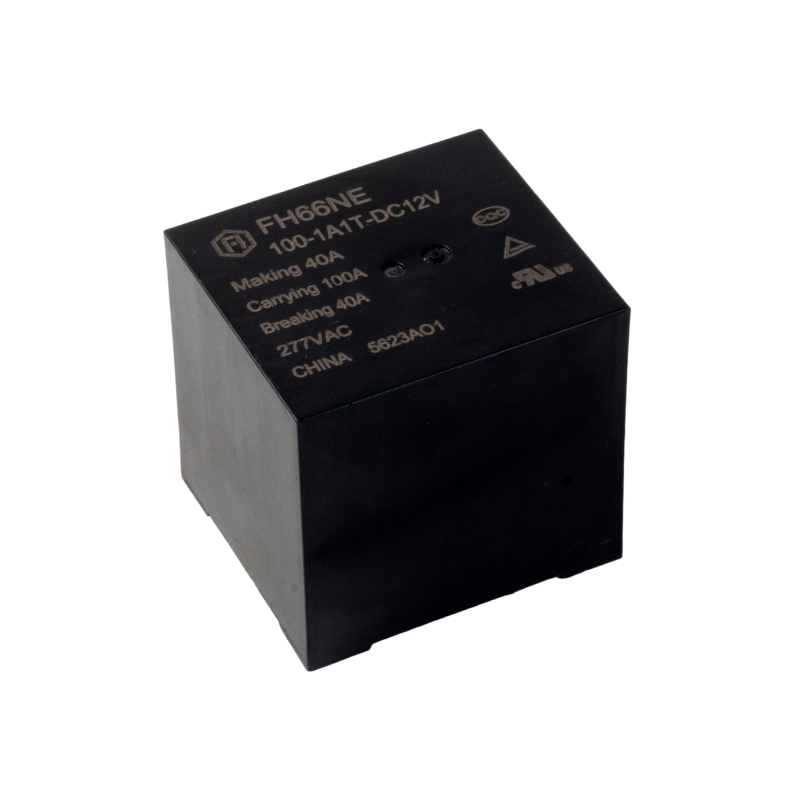
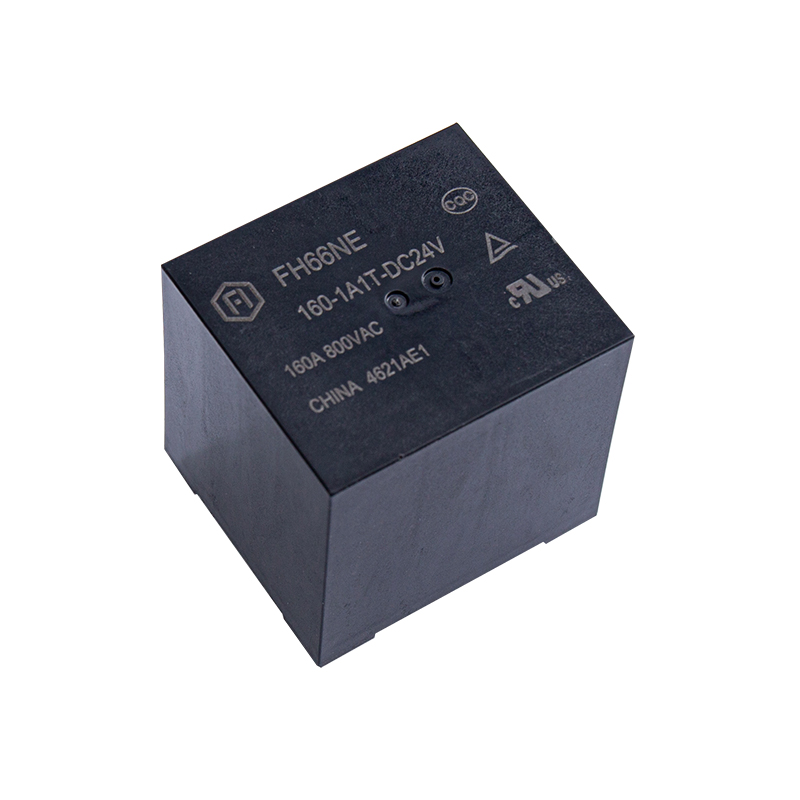
At a time when new energy power generation, energy storage systems, and electric vehicle charging piles are rapidly becoming widespread, new energy relays, as key switching components in circuits, directly affect the stable operation of complete equipment through their current-carrying capability, safety isolation level, and long-term r...
Read More
x
Custom Photovoltaic & EV Charging New Energy Relays Manufacturers
New energy relays connect or disconnect circuits through the action of electromagnetic force. They have high reliability, low power consumption, strong anti-interference capabilities, and good resistance to high voltage and high current. They are indispensable key components in new energy systems. From the perspective of product performance, new energy relays usually have a higher load capacity, for example, the maximum load can reach 40A, suitable for a voltage environment of 277VAC, and have multiple sets of contact configurations, such as two sets of normally open contacts and one set of normally closed auxiliary contacts, to meet complex control needs. The contact materials are primarily composed of silver alloy or AgSnO2, which exhibits good conductivity and wear resistance, ensuring long-term stable operation. In the automotive field, new energy relays play a crucial role in electric vehicles. They are utilized in key components such as battery management systems, motor control systems, charging systems, and high-voltage circuit protection.
About Us
Zhejiang Fanhar Electronics Co., Ltd.
Zhejiang Fanhar Electronics Co., Ltd. is China Custom Photovoltaic & EV Charging New Energy Relays Suppliers and Solar Power Relays Manufacturers, a national high-tech enterprise specializing in R&D, manufacturing, and sales of relays. Our products are widely applied in smart home systems, photovoltaic new energy, charging piles, smart meters, industrial control, and other fields.
Currently, we have a professional team of nearly 600 employees and operate 35 fully automated production lines, with 40% of our products exported to over 20 countries worldwide. To better serve our customers and meet market demands, we continuously improve our products and manufacturing technologies, investing 6%-8% of annual sales revenue in R&D and innovation.
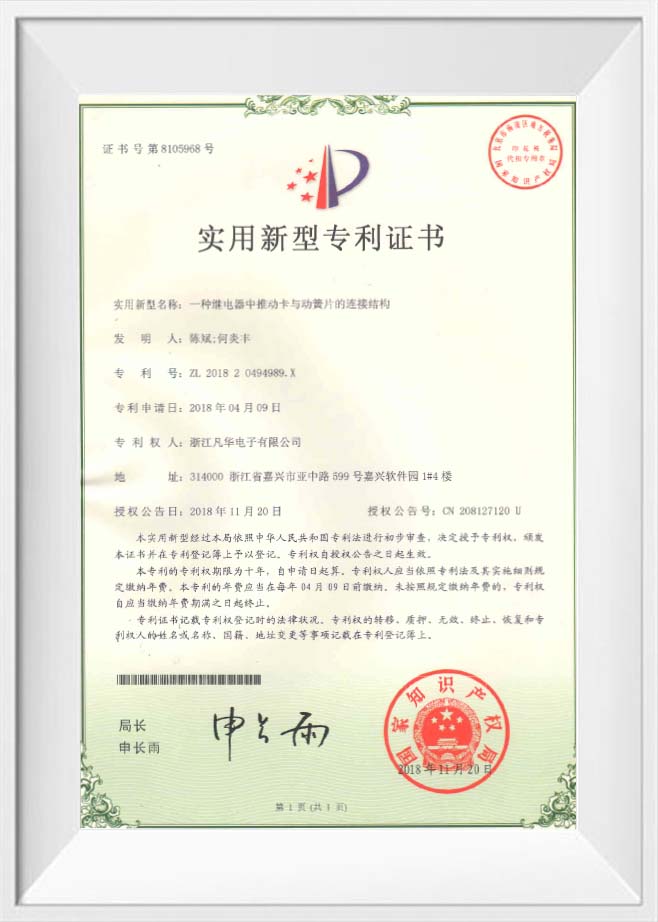
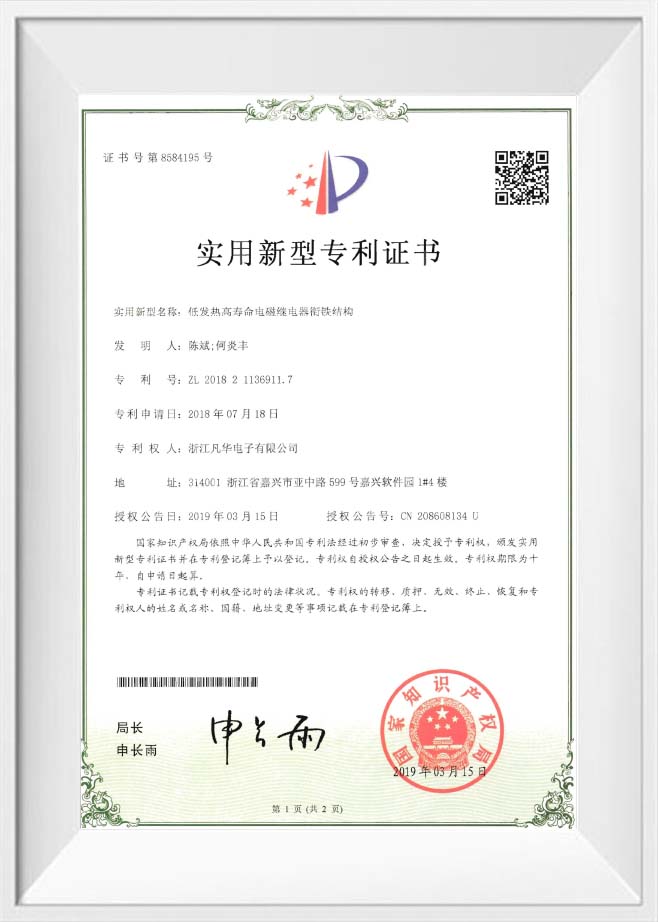
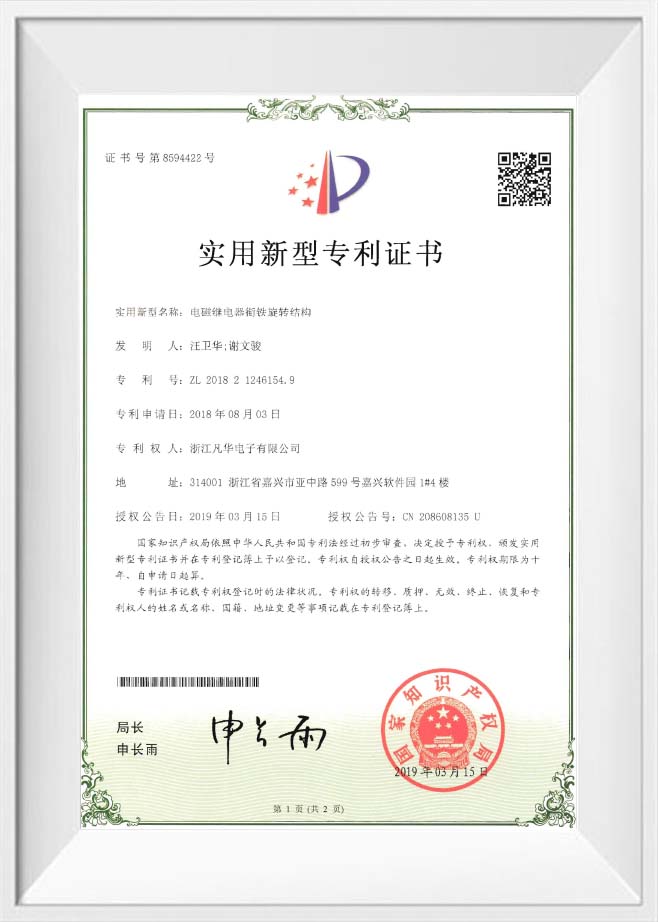
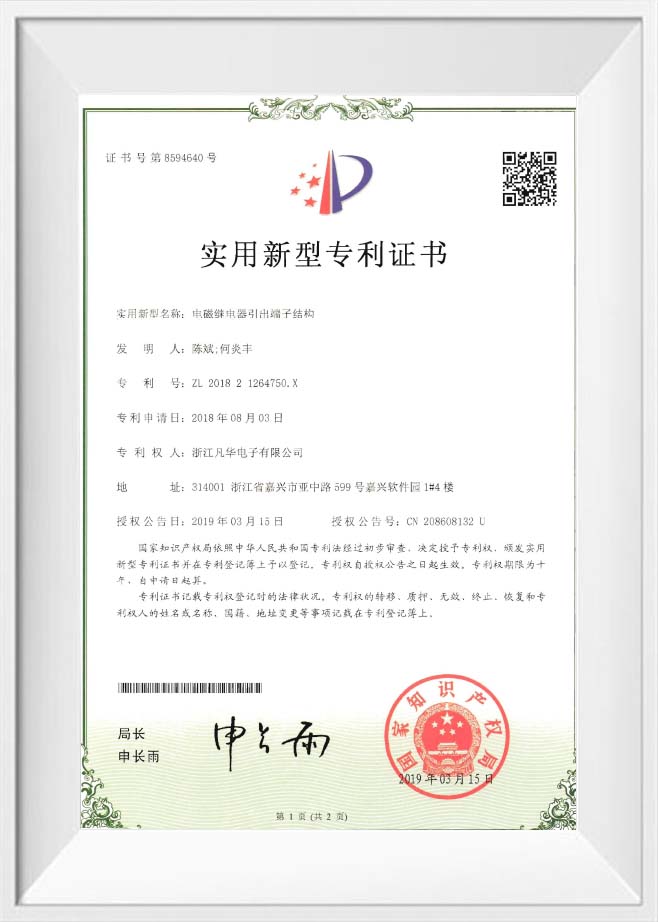
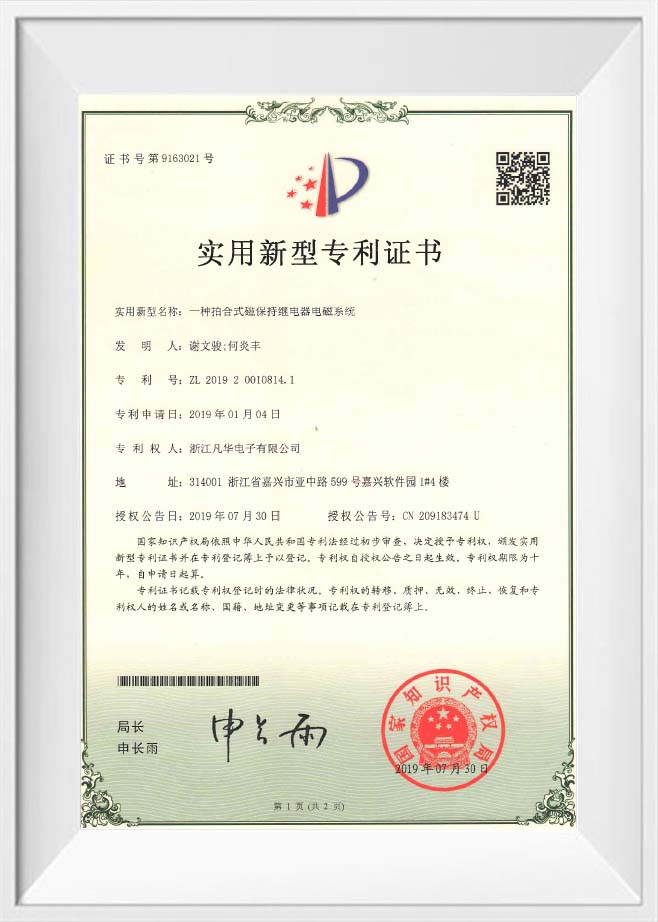
With a strong emphasis on technological innovation, we have been recognized as a National High-Tech Enterprise and Provincial R&D Center, holding more than 50 national patents. Our products have obtained international certifications, including ISO9001、ISO14001 and ISO45001, as well as authoritative UL、TUV and CQC certifications, fully complying with EU ROHS/REACH directives.
Maintaining a 98% delivery satisfaction rate, our products serve global industry leaders such as Huawei, Bull, and Eaton in smart home, industrial control, new energy, and power meter applications. Looking ahead, Fanhar Electronics will continue expanding production capacity and deepening our presence in the new energy market, striving to become a provider in the relay industry. We offer Solar Power Relays for sale.
Certificate Of Honor
News
-
-
The most common mistake in current shunt resistor selection is treating the continuous current rating as the main specification. A shunt that can pass 100 A can still create a 2% error if its resistance drifts under self-heating, if solder and trace resistance distort the sense voltage, or if layout noise couples into the Kelvin loop. Th...
Read More -
Relays, as classic electrically controlled switching components, are powerful because they can use small current signals to control the switching and toggling of large current loads, and implement basic logic functions. This control method, based on physical contacts, holds advantages in noise immunity, electrical isolation, and power ha...
Read More
New Energy Relay Industry Knowledge
Why DC Arc Interruption Is the Core Design Challenge in New Energy Relays
Fanhar Electronics engineers field this question regularly from inverter and charger designers: why can't a standard AC relay simply be used at an equivalent DC voltage rating? The answer lies in arc physics. In AC circuits, current passes through zero twice per cycle, which naturally extinguishes the arc between contacts during switching. DC circuits have no such zero crossing — once an arc forms between opening contacts, it sustains itself as long as the voltage across the gap exceeds the arc extinction threshold.
New Energy Relays intended for high-voltage DC service address this through a combination of design measures: widened contact gaps to force the arc to stretch and cool, magnetic blowout coils that deflect the arc into ceramic arc chutes, and contact materials selected for low erosion under sustained arcing. Without these features, a relay switching 600–1000 VDC can fail to interrupt within the required time, leading to contact welding or internal carbonization that compromises insulation.
The polarity of DC connection also matters. Many sealed relay designs are rated for DC switching only in a specific polarity orientation relative to the arc blowout magnet. Reversing polarity can reduce the effective arc extinction force by 30–50%, dramatically shortening contact life. Always confirm polarity requirements in the relay datasheet before finalizing PCB or terminal block layouts.
Thermal Management Strategies for Relays in Sealed Photovoltaic Inverter Enclosures
String inverters and microinverters are routinely installed outdoors in direct sunlight, where enclosure internal temperatures can reach 70°C–85°C even when ambient is only 40°C. For Photovoltaic Relays and Solar Power Relays mounted inside these enclosures, thermal management is not a secondary consideration — it directly affects both contact capacity and coil longevity.
Coil resistance increases with temperature (approximately 0.4% per °C for copper windings), which means a relay designed to pull in at 80% of nominal voltage at room temperature may fail to actuate reliably at elevated temperatures if the coil voltage is at the low end of the supply range. Engineers should validate pull-in voltage margin across the full operating temperature range, not just at ambient.
On the contact side, continuous current derating curves published in relay datasheets typically assume free-air convection. In sealed enclosures with poor airflow, actual derating can be 15–25% more aggressive than the published curve. Where board space permits, selecting a relay one current class higher than the calculated maximum load current provides meaningful thermal headroom without significant cost impact.
Mechanical Endurance Requirements for EV Charging Infrastructure
Commercial EV charging stations experience switching cycles far exceeding those of most industrial control applications. A busy DC fast-charging station may complete 40–80 charge sessions per day, each requiring multiple relay connect and disconnect operations for vehicle detection, pre-charge sequencing, and main contactor control. Over a ten-year service life, this can accumulate to 150,000–300,000 mechanical operations on primary switching relays alone.
EV Charging Relays intended for this duty must meet both mechanical endurance (operations without load) and electrical endurance (operations at rated load current and voltage) targets. The two figures are not equivalent — electrical endurance at full DC load is typically one-tenth or less of the mechanical endurance rating. Specifying only mechanical endurance when comparing relay options is a common procurement error that leads to premature field failures.
Pre-charge relay circuits, used to limit inrush current into bus capacitors before main contactor closure, deserve particular attention. These relays switch frequently under partial load conditions that accelerate a specific failure mode: contact surface roughening from repeated low-energy arcing. Using a relay type with sealed contacts and noble metal contact overlay in the pre-charge position extends maintenance intervals substantially compared to open-frame designs.
Selecting Between High Voltage DC Relays and Contactors for Renewable Energy Systems
The boundary between High Voltage DC Relays and DC contactors is frequently misunderstood in new energy system design. Relays and contactors share the same fundamental operating principle — an electromagnetic coil actuates a set of contacts — but they differ in current capacity, form factor, and the control circuit power they require. For Renewable Energy Relays in the 10A–100A range, sealed relay packages offer significant board space and weight advantages over equivalent contactors, with coil power consumption often below 1W in latching configurations.
The practical selection criteria come down to three parameters:
- Rated switching current: Relays are generally preferred up to 100A; above that, contactors are more cost-effective per ampere of capacity.
- Operating voltage: Sealed relays with magnetic blowout are now available for up to 1500 VDC, covering most residential and commercial PV string voltages. Utility-scale applications above 1500 VDC typically require contactor-class devices.
- Control circuit integration: Relay coils can be driven directly from microcontroller or gate driver outputs; most contactors require a dedicated 24 VDC or AC coil supply rail, adding BOM complexity.
We supply relay solutions validated across residential storage inverters, commercial PV combiner boxes, and DC-coupled battery management systems, supporting design teams in matching the right switching device to each node in the power conversion chain.

- Tel +86-573-82237888
- Email [email protected]
- Address No. 828, Xinchang Road, Nanhu District, Jiaxing, Zhejiang, China
Products
