
 EN
EN
 English
 Español
 русский
 简体中文
简体中文

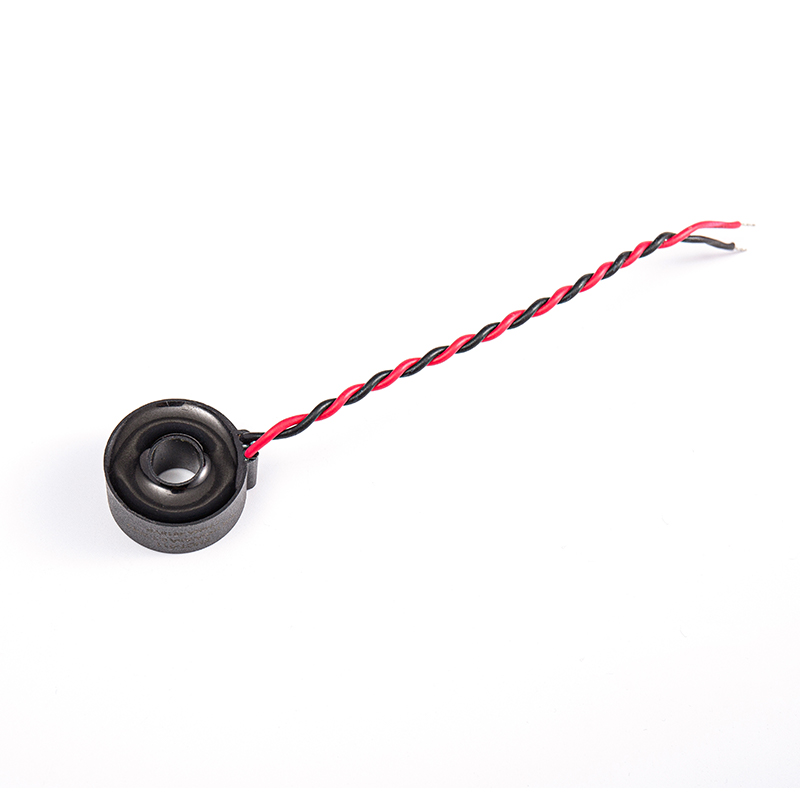
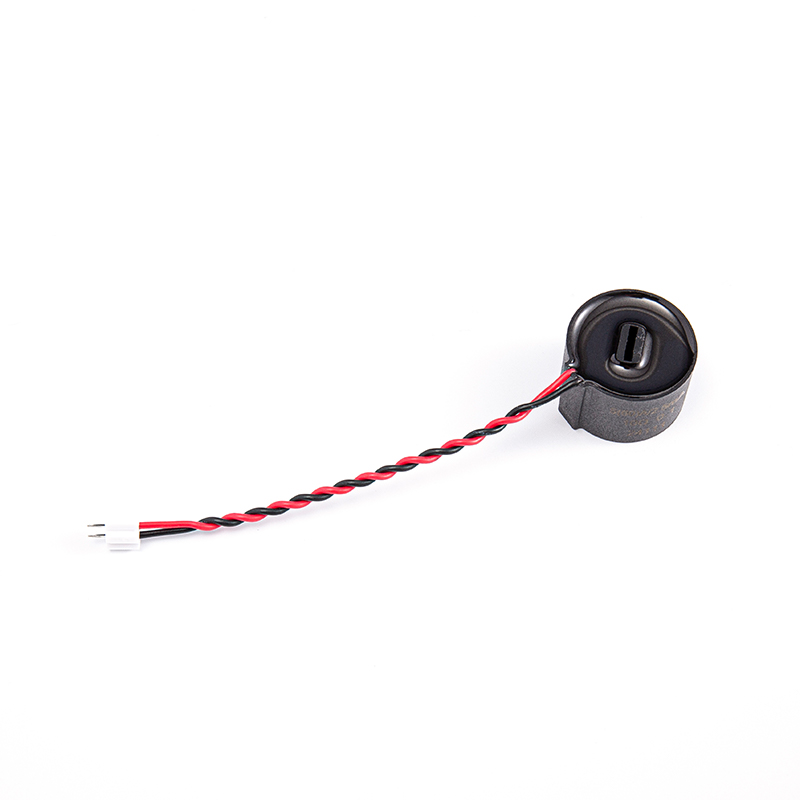
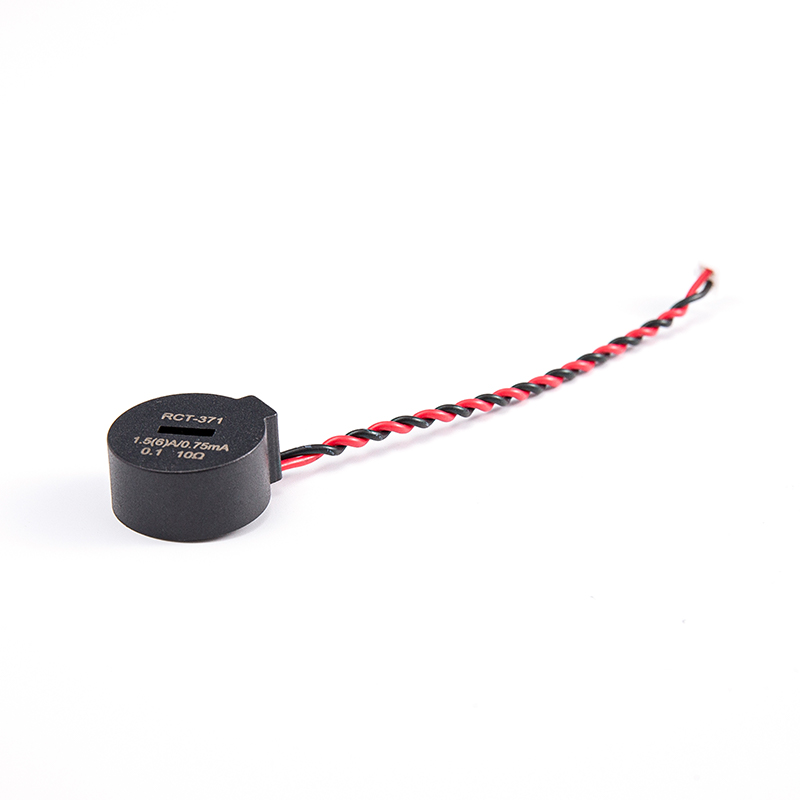
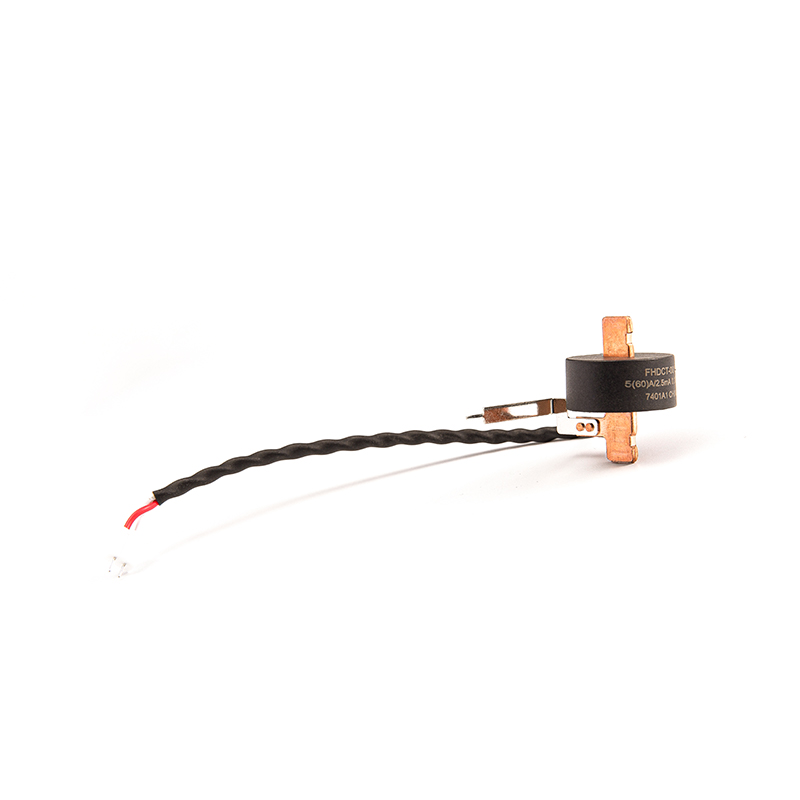
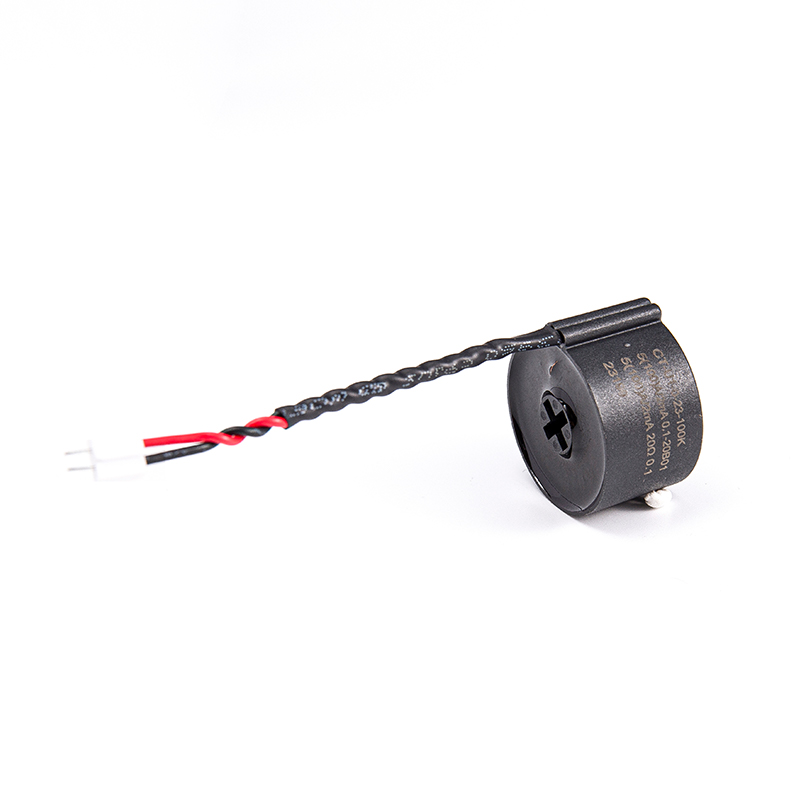
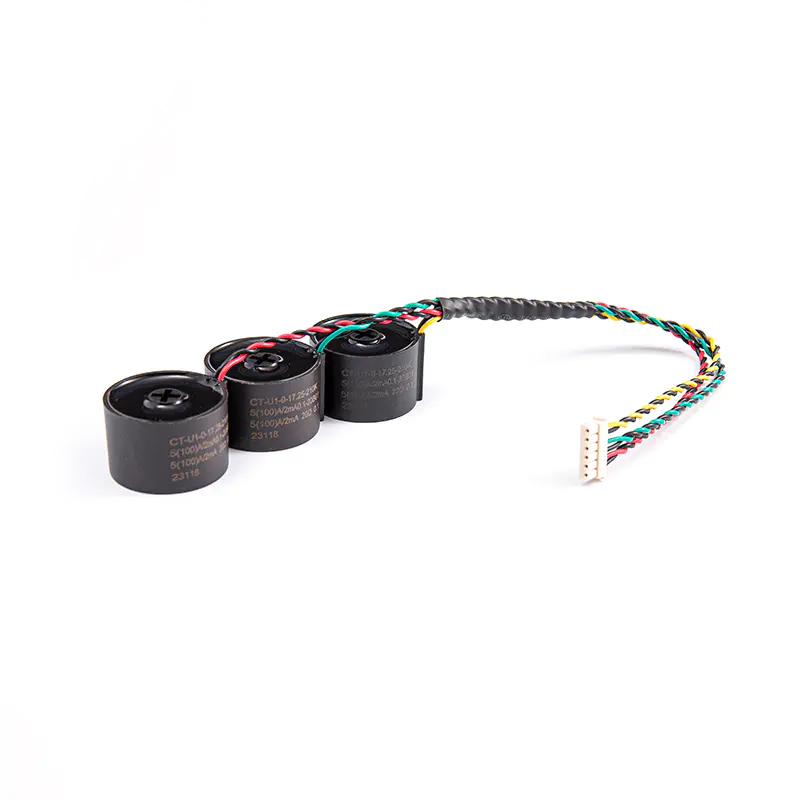
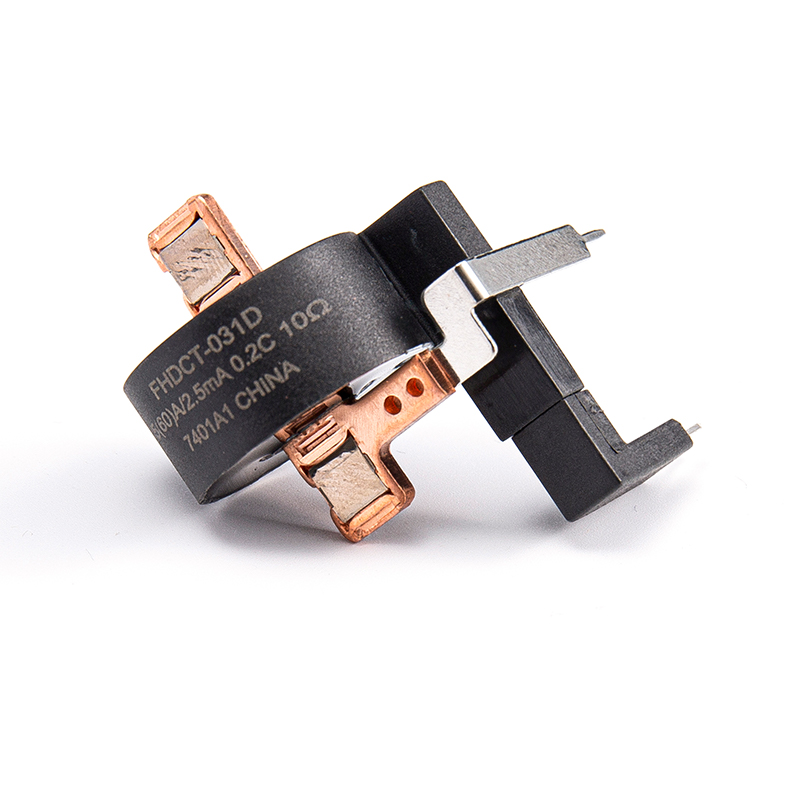
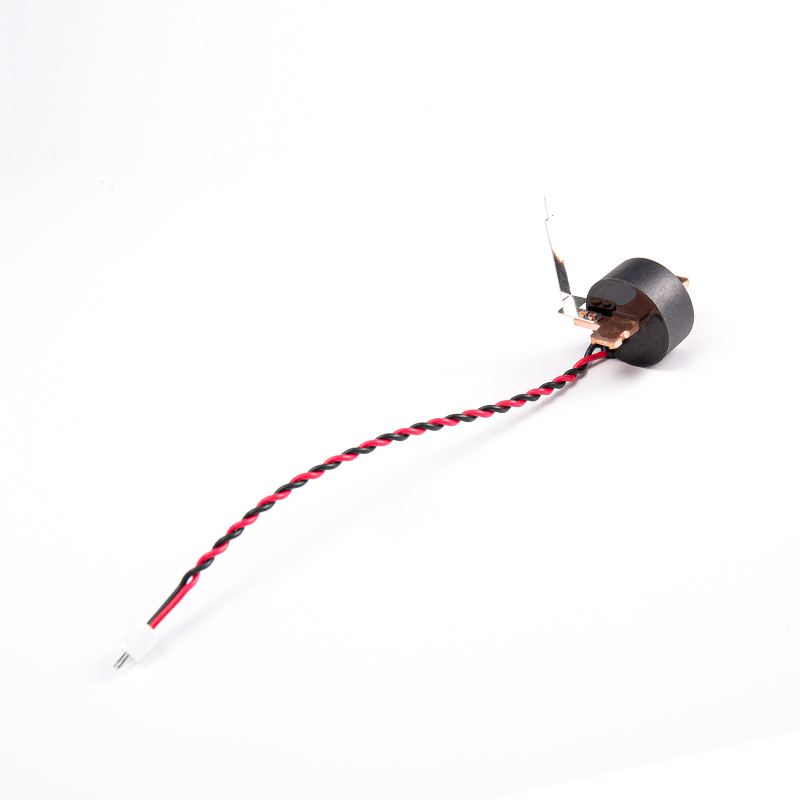
The most common mistake in current shunt resistor selection is treating the continuous current rating as the main specification. A shunt that can pass 100 A can still create a 2% error if its resistance drifts under self-heating, if solder and trace resistance distort the sense voltage, or if layout noise couples into the Kelvin loop. Th...
Read More
x
Custom Current Transformer Manufacturers
About Us
Zhejiang Fanhar Electronics Co., Ltd.
Zhejiang Fanhar Electronics Co., Ltd. is China Custom Current Transformer Suppliers and Current Sensing Transformer Manufacturers, a national high-tech enterprise specializing in R&D, manufacturing, and sales of relays. Our products are widely applied in smart home systems, photovoltaic new energy, charging piles, smart meters, industrial control, and other fields.
Currently, we have a professional team of nearly 600 employees and operate 35 fully automated production lines, with 40% of our products exported to over 20 countries worldwide. To better serve our customers and meet market demands, we continuously improve our products and manufacturing technologies, investing 6%-8% of annual sales revenue in R&D and innovation.
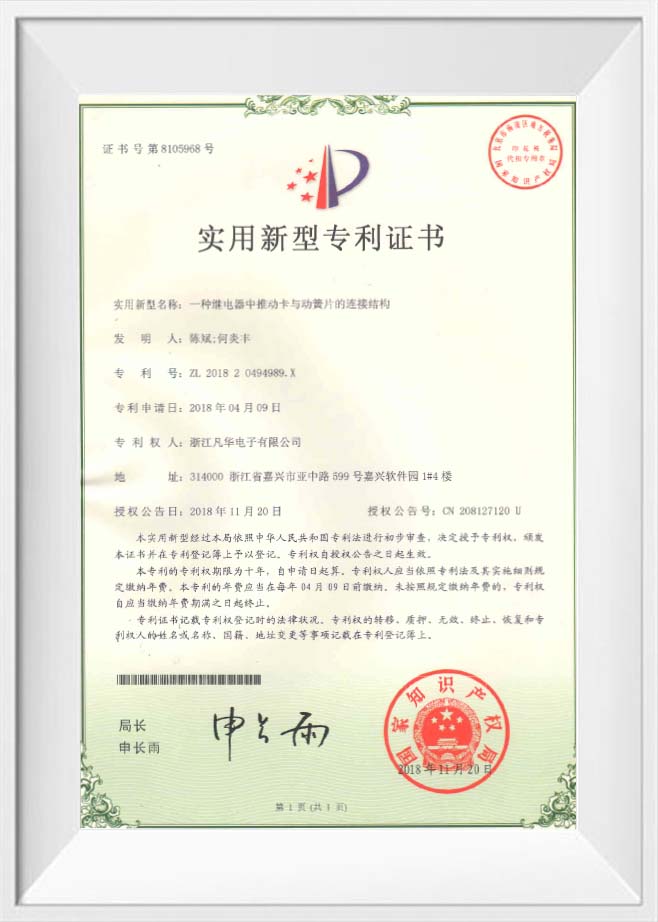
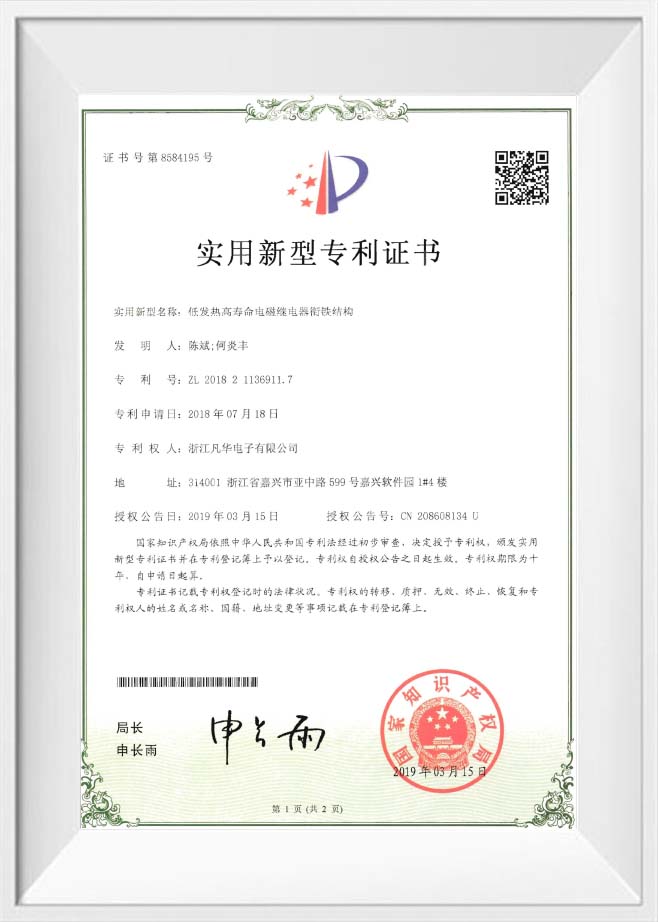
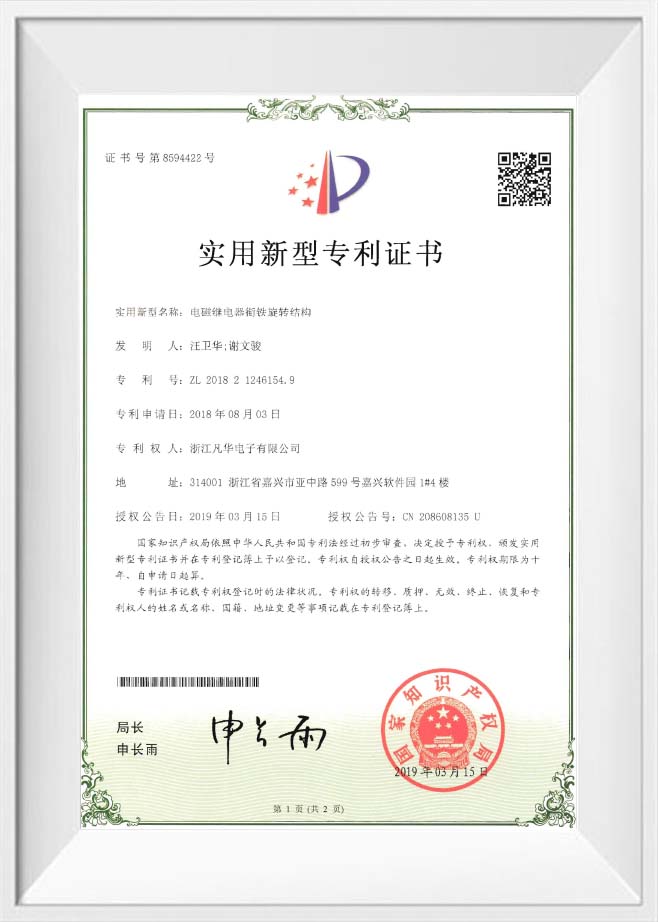
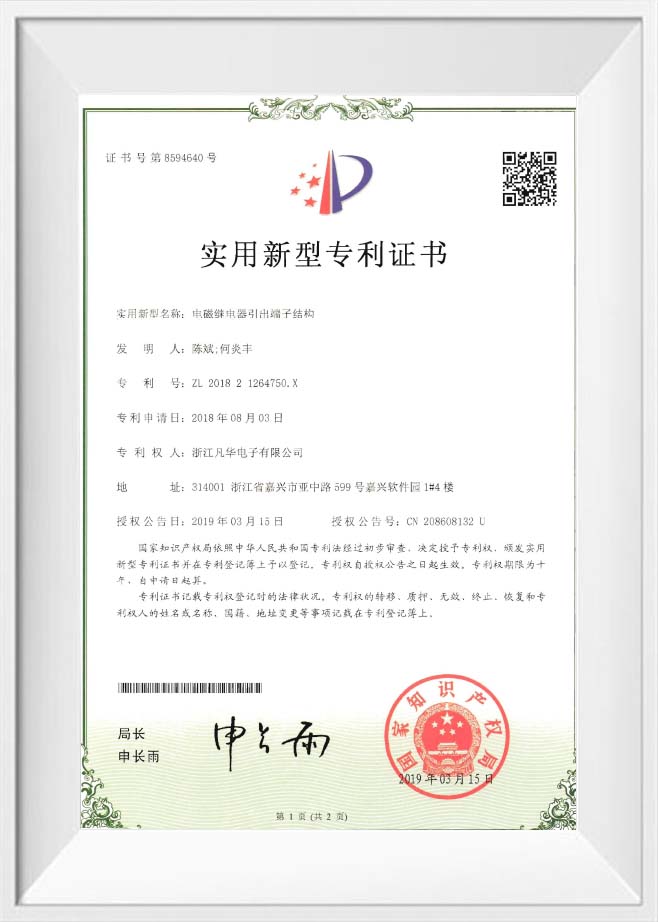
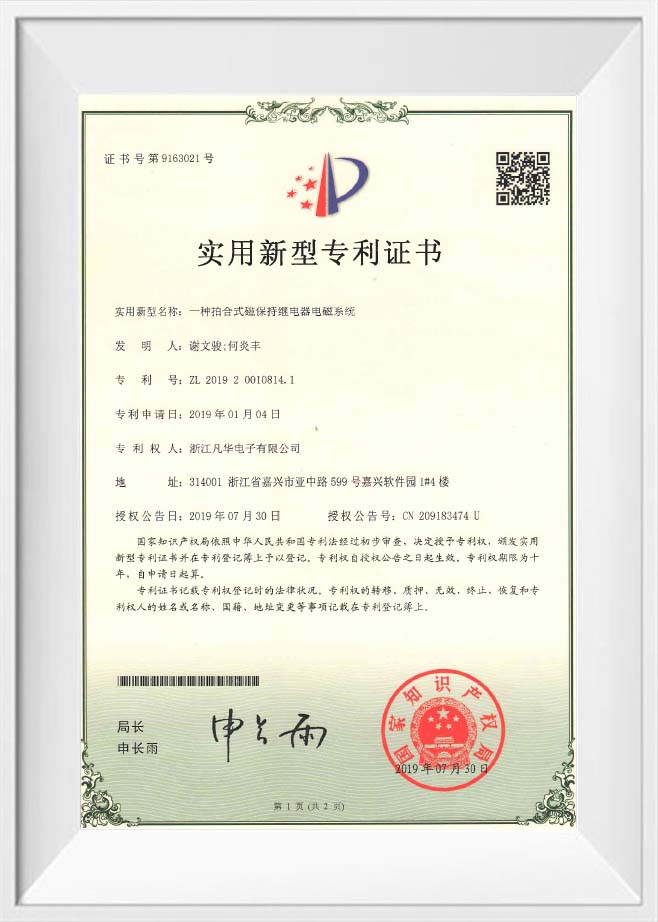
With a strong emphasis on technological innovation, we have been recognized as a National High-Tech Enterprise and Provincial R&D Center, holding more than 50 national patents. Our products have obtained international certifications, including ISO9001、ISO14001 and ISO45001, as well as authoritative UL、TUV and CQC certifications, fully complying with EU ROHS/REACH directives.
Maintaining a 98% delivery satisfaction rate, our products serve global industry leaders such as Huawei, Bull, and Eaton in smart home, industrial control, new energy, and power meter applications. Looking ahead, Fanhar Electronics will continue expanding production capacity and deepening our presence in the new energy market, striving to become a provider in the relay industry. We offer DC Current Sense Transformer for sale.
Certificate Of Honor
News
-
-
Relays, as classic electrically controlled switching components, are powerful because they can use small current signals to control the switching and toggling of large current loads, and implement basic logic functions. This control method, based on physical contacts, holds advantages in noise immunity, electrical isolation, and power ha...
Read More -
With the rapid proliferation of new energy power generation, energy storage systems, and electric vehicle fast chargers, power relays—as critical switching components in circuits—play a vital role in determining the overall stability of equipment through their current-carrying capacity, safety isolation level, and long-term reliability....
Read More
Current Transformer Industry Knowledge
How to Select the Right Current Transformer for Industrial Applications
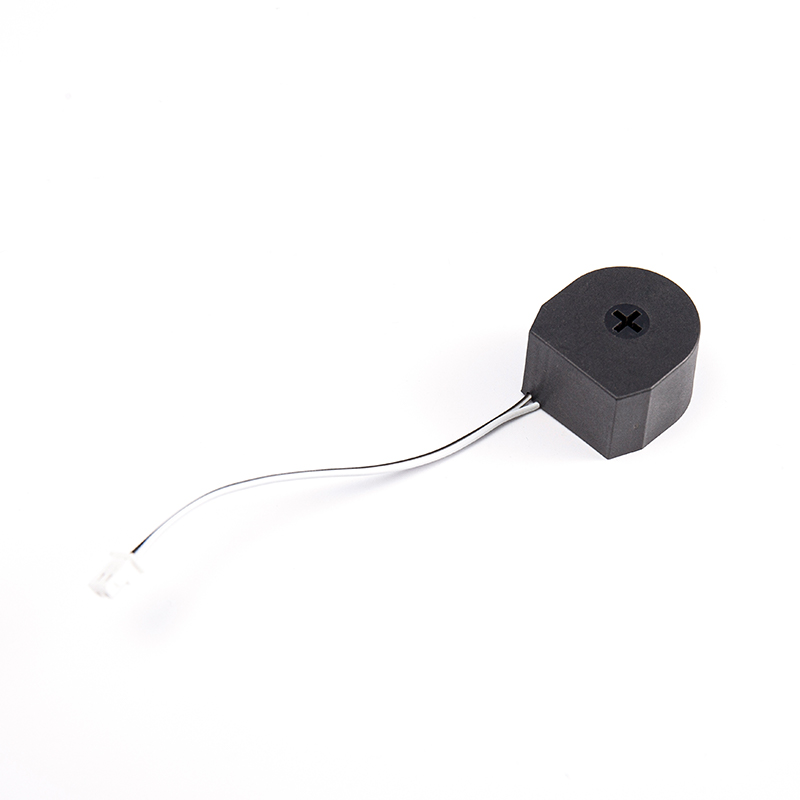
Selecting the appropriate measurement components is critical for ensuring the accuracy and safety of power systems. A Current Transformer functions as a crucial interface between high-current power lines and sensitive measuring instruments. By stepping down high primary currents to a standardized, manageable secondary current, these devices allow meters and protective relays to operate without being exposed to dangerous voltage levels. Understanding the distinct operational characteristics of different transformer types helps engineers make informed sourcing decisions that enhance system reliability.
Core Technologies in Current Measurement
Modern power distribution and industrial control systems rely on precise current data for energy management and fault protection. Depending on the nature of the electrical load—whether alternating or direct current—engineers must select specific transformer architectures to ensure accurate signal acquisition.
- Signal Isolation: Transformers provide galvanic isolation between high-voltage primary circuits and low-voltage secondary circuits.
- Load Management: Accurate current data enables smart meters to calculate power consumption in real-time.
- System Protection: Protective relays use the reduced current signal to trigger circuit breakers during fault conditions.
Understanding the Current Sensing Transformer
An alternating current Current Sensing Transformer is specifically designed to monitor AC waveforms with high fidelity. These components are essential in applications where capturing the exact phase angle and amplitude of the current is necessary, such as in smart home systems and industrial control panels. The core material and winding ratio are optimized to minimize phase shift and ratio error at specific operating frequencies.
The Role of a DC Current Sense Transformer
Measuring direct current presents unique challenges because traditional electromagnetic induction does not work with static DC fields. A DC Current Sense Transformer typically utilizes a fluxgate principle or a hall-effect sensor integrated with a magnetic core to detect the magnetic field generated by a DC conductor. This technology is indispensable in photovoltaic new energy systems and charging piles, where precise DC current monitoring is required for battery management and load balancing.
Comparing AC and DC Sensing Technologies
When designing power conversion systems, engineers often face the choice between pure AC sensing and DC-capable sensing technologies. The choice impacts not only the measurement accuracy but also the overall complexity and cost of the control circuitry. AC transformers rely on Faraday's law of induction and are passive, requiring no external power. DC sensors, however, usually require an excitation circuit, making them active devices.
| Feature | Current Sensing Transformer | DC Current Sense Transformer |
| Measured Current Type | Alternating Current (AC) | Direct Current (DC) and AC |
| Operating Principle | Electromagnetic induction | Hall-effect or Fluxgate |
| Power Requirement | Passive (No external power) | Active (Requires excitation power) |
| Primary Applications | Smart meters, industrial control | Charging piles, photovoltaic systems |
Manufacturing Excellence: Zhejiang Fanhar Electronics Co., Ltd.
Designing a high-performance Current Transformer requires advanced manufacturing capabilities and strict quality control protocols. As a national high-tech enterprise, Zhejiang Fanhar Electronics Co., Ltd. specializes in the R&D, manufacturing, and sales of relays and current measurement solutions. Our products are widely applied in smart home systems, photovoltaic new energy, charging piles, smart meters, and industrial control fields, providing robust solutions for global industry leaders.
Advanced Production and R&D Capabilities
To meet the rigorous demands of modern energy infrastructure, Fanhar Electronics operates state-of-the-art manufacturing facilities. We currently have a professional team of nearly 500 employees and operate 30 fully automated production lines. To better serve our customers and meet market demands, we continuously improve our products and manufacturing technologies, investing 6%-8% of annual sales revenue in R&D and innovation. This investment ensures that our Current Sensing Transformer products maintain high accuracy and long-term stability.
- Automated Assembly: 30 fully automated production lines ensure high consistency and throughput.
- Engineering Expertise: Nearly 500 dedicated professionals oversee operations from design to final testing.
- Continuous Innovation: A significant portion of revenue is reinvested into developing new measurement technologies.
Global Compliance and Quality Assurance
International market access requires strict adherence to safety and environmental standards. With a strong emphasis on technological innovation, we have been recognized as a National High-Tech Enterprise and Provincial R&D Center, holding more than 40 national patents. Our products have obtained international certifications, including ISO9001, ISO14001, and ISO45001, as well as authoritative UL, TUV, and CQC certifications, fully complying with EU ROHS/REACH directives. We maintain a 98% delivery satisfaction rate, ensuring that our DC Current Sense Transformer and other components arrive on time and meet all technical specifications.
Applications in Emerging Energy Markets
The transition to renewable energy and electric mobility relies heavily on precise power electronics. Fanhar Electronics is deeply involved in these sectors, offering specialized components like the Protection Relay CT for sale. Our transformers are engineered to operate reliably in the high-noise, high-temperature environments typical of solar inverters and electric vehicle charging stations.
- Photovoltaic Systems: Monitoring DC output from solar panels for maximum power point tracking.
- Charging Piles: Ensuring safe and accurate DC current measurement during vehicle charging.
- Smart Meters: Providing high-precision data acquisition for utility grid management.
FAQ
What is the main difference between a standard transformer and a current sensing transformer?
A standard power transformer is designed to transfer electrical energy and step up or step down voltages to drive loads, focusing on high efficiency and voltage regulation. A Current Sensing Transformer, however, is designed specifically to step down current to a known, proportional ratio. Its primary goal is to provide an accurate, low-current replica of the primary current for measurement or protection circuits, rather than to deliver power.
Why does a DC Current Sense Transformer require an external power supply?
Unlike AC transformers that generate a secondary current through electromagnetic induction from an alternating magnetic field, a DC Current Sense Transformer must measure a static magnetic field. Technologies like the Hall-effect require an excitation current to bias the sensor and produce a linear output voltage proportional to the DC current. Therefore, these devices are active and require an external power supply to function correctly.
How do environmental conditions affect current transformer accuracy?
Temperature variations can significantly impact the accuracy of a Current Transformer. Extreme temperatures alter the magnetic permeability of the core material and change the resistance of the copper windings. This can lead to ratio errors and phase shifts. High-quality transformers use specialized core alloys and compensation circuits to minimize these drifts, ensuring stable operation across industrial temperature ranges.
What certifications should I look for when sourcing a current measuring transformer?
When sourcing components for industrial or energy applications, buyers should look for transformers that carry UL, TUV, or CQC safety certifications. Additionally, the manufacturing facility should be ISO9001 certified for quality management. It is also critical to verify that the Current Transformer complies with environmental directives like EU ROHS and REACH, which restrict the use of hazardous substances in electronic components.
Can a current sensing transformer be used in high-frequency power converters?
Standard Current Sensing Transformer models are typically optimized for 50/60 Hz line frequencies and may suffer from excessive core losses and phase distortion at higher frequencies. For high-frequency applications like switch-mode power supplies or inverters, engineers must select specially designed high-frequency current transformers that use ferrite cores with low high-frequency losses to maintain measurement accuracy.

- Tel +86-573-82237888
- Email [email protected]
- Address No. 828, Xinchang Road, Nanhu District, Jiaxing, Zhejiang, China
Products
