
 EN
EN
 English
 Español
 русский
 简体中文
简体中文

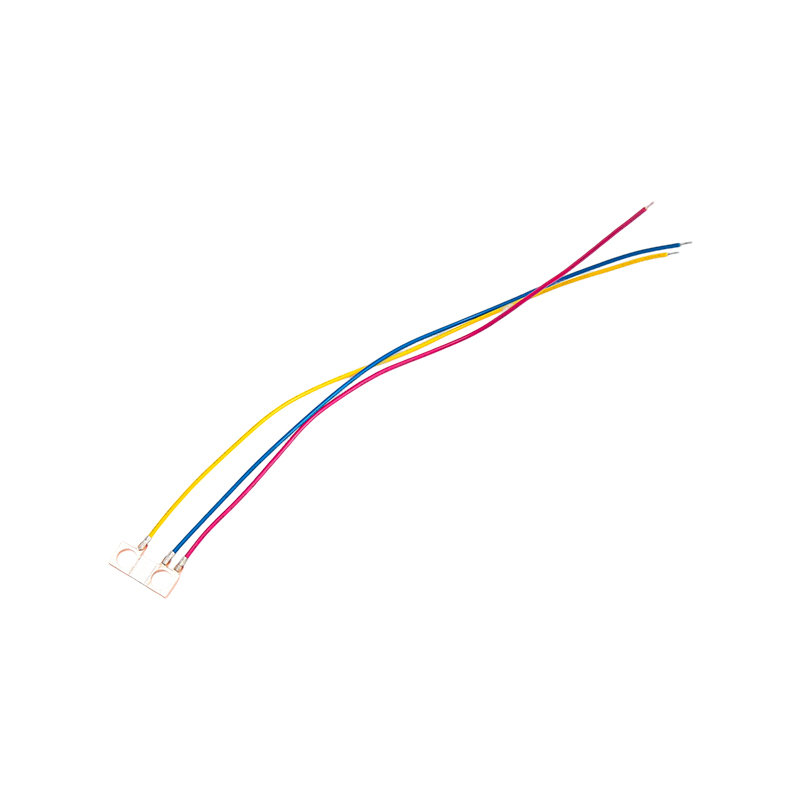
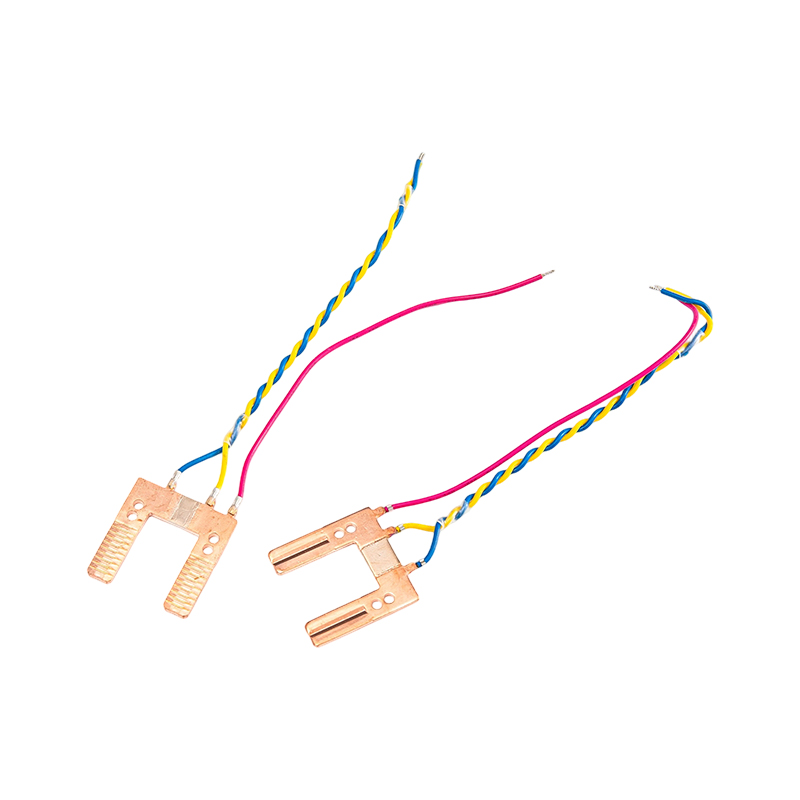
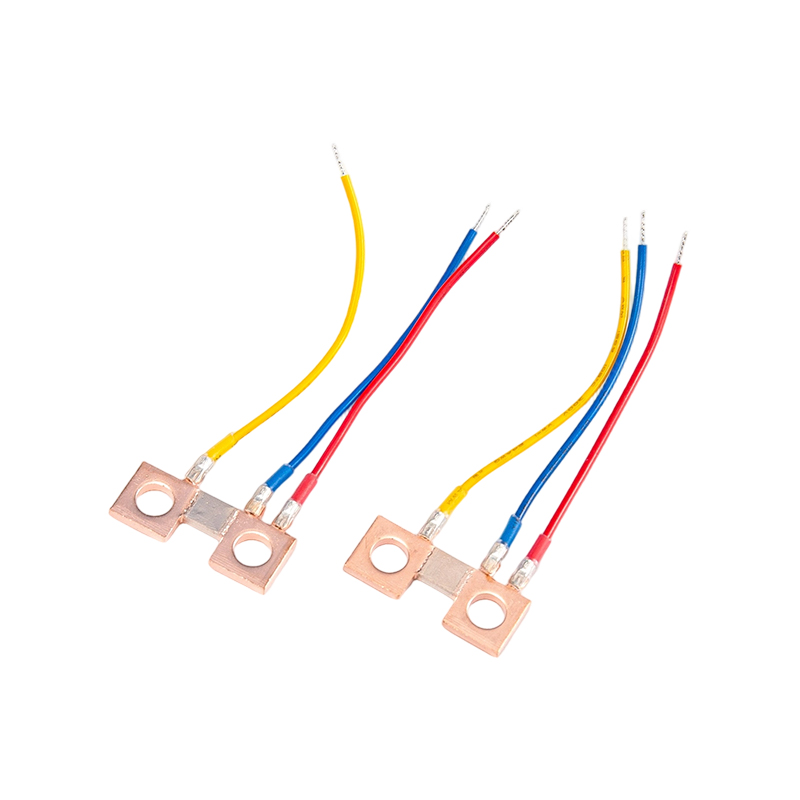
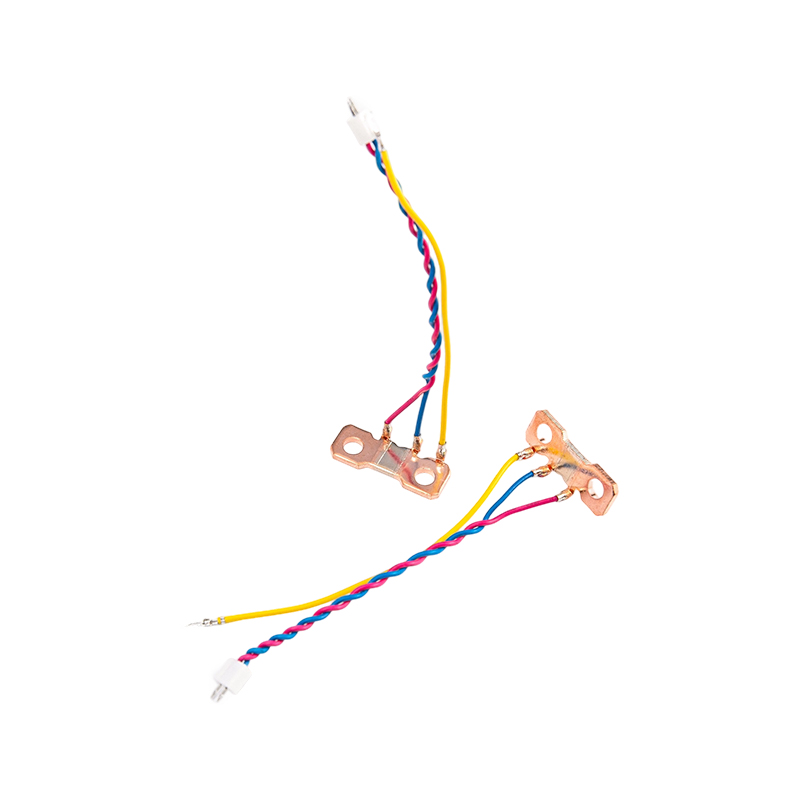
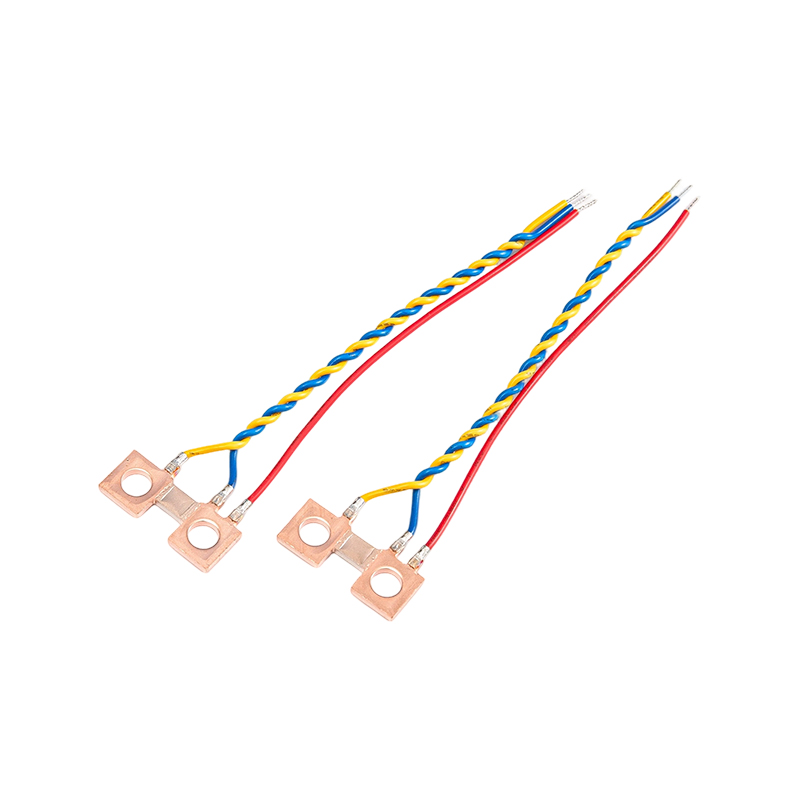
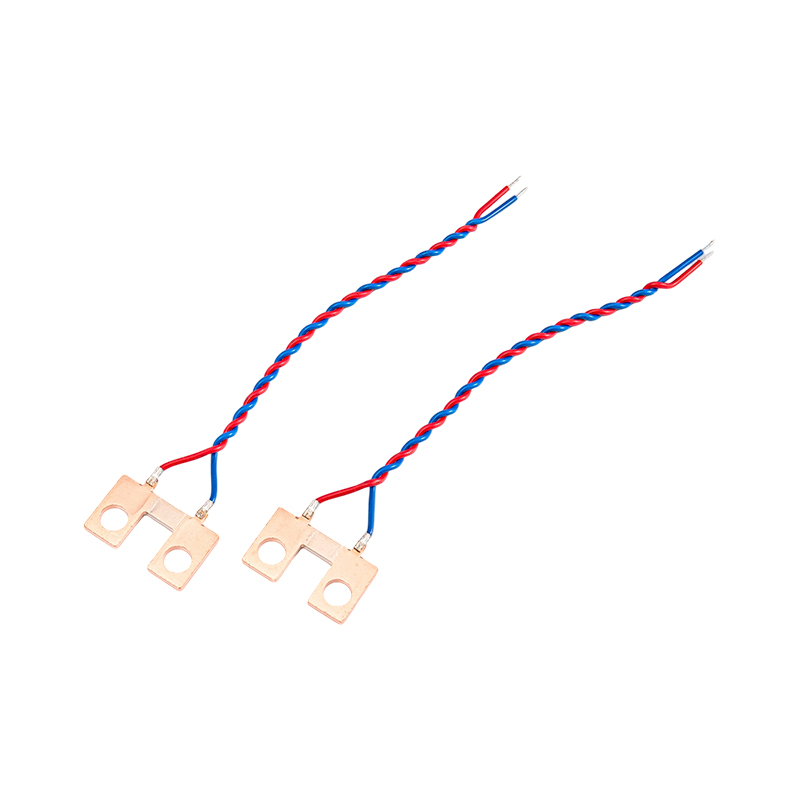
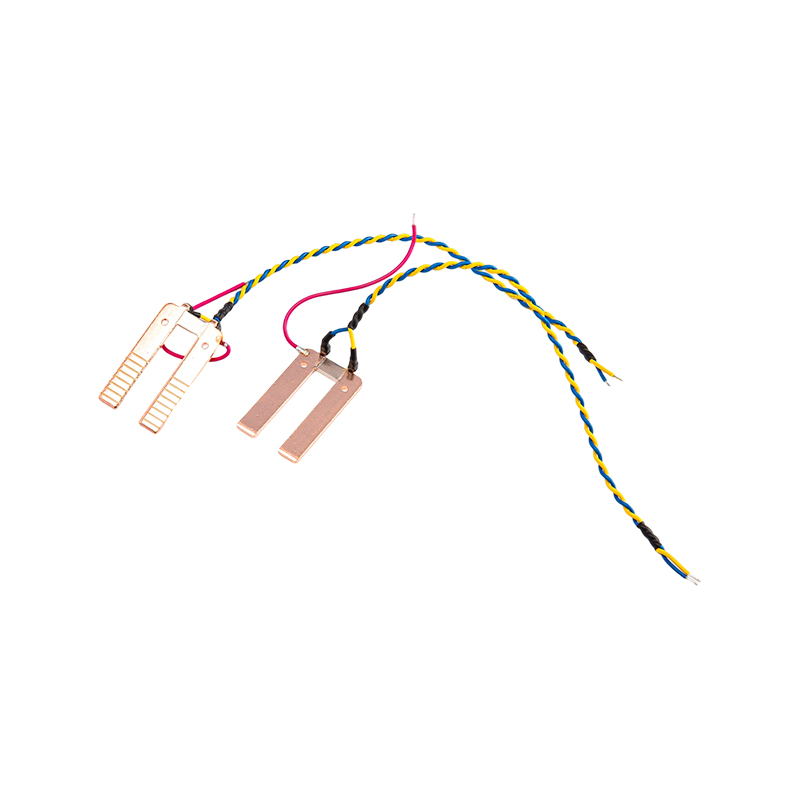
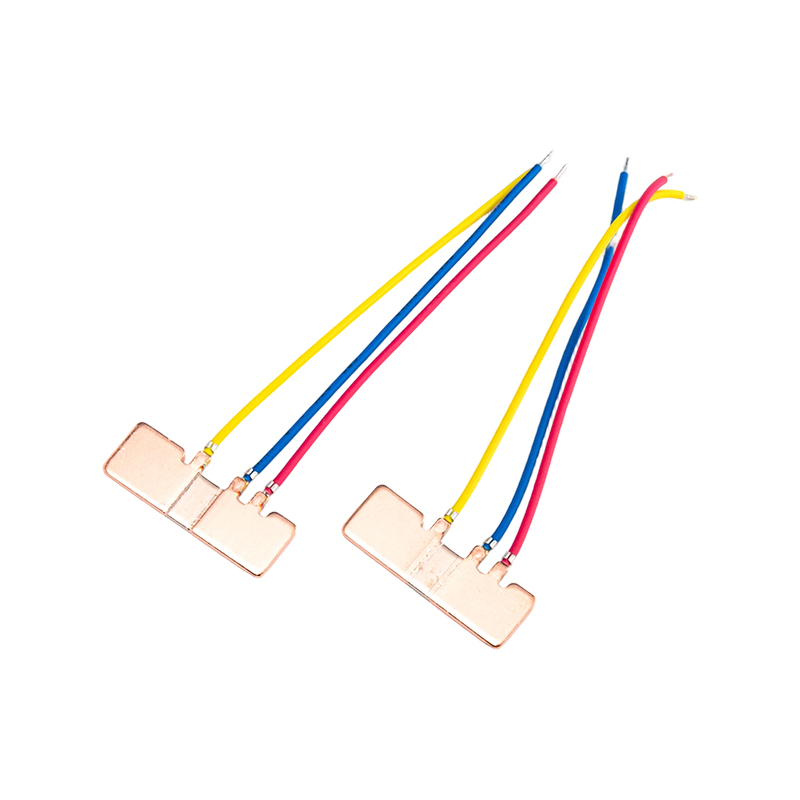
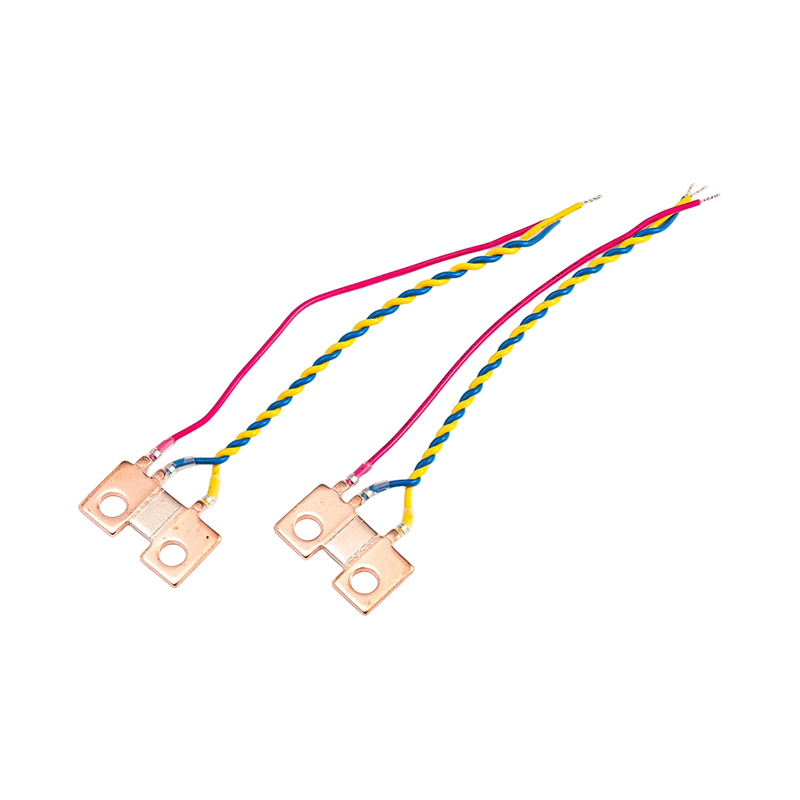
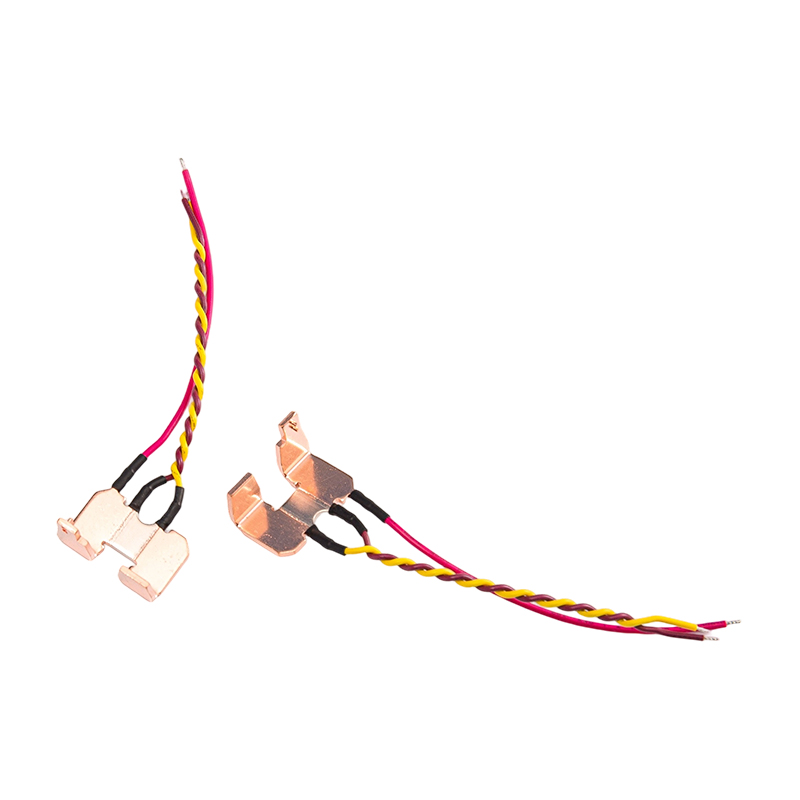
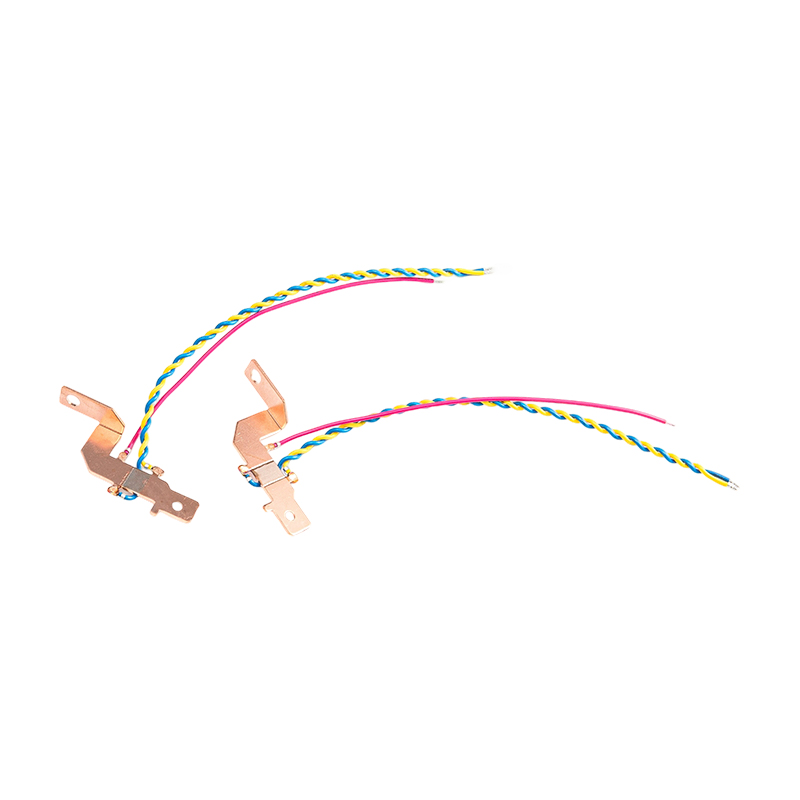
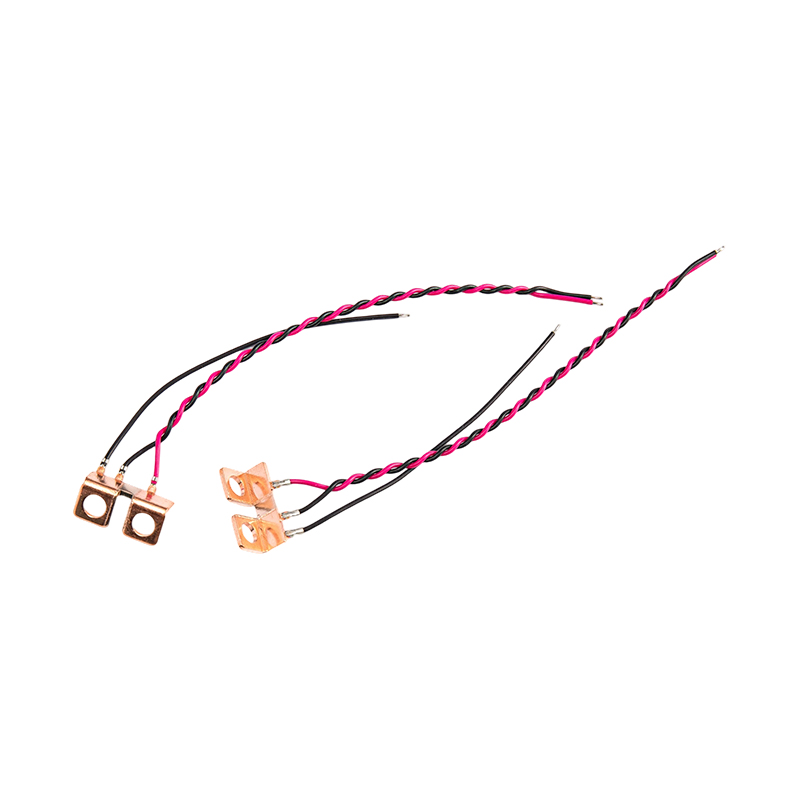
The most common mistake in current shunt resistor selection is treating the continuous current rating as the main specification. A shunt that can pass 100 A can still create a 2% error if its resistance drifts under self-heating, if solder...
Read More
x
Custom Current Shunt Resistor Manufacturers
A shunt is a device used to distribute fluid or current according to a certain proportion or set conditions. It is widely used in industries, laboratories, power systems, and electronic measurement. Its core function is to shunt a single input fluid or current into multiple output channels through reasonable structural design, thereby achieving multi-channel transmission, precise control, and signal distribution. There are various types of shunts, including T-type, Y-type, and rotary shunts, which are suitable for different application scenarios. In the field of electronic measurement, shunts are also divided into two types: external and internal. External shunts are usually used to extend the range of ammeters, while internal shunts are integrated inside the instrument. The advantages of shunts are their high efficiency, precise control, and stability. It can realize multi-channel fluid transmission, improve work efficiency, and adjust the flow of each branch channel as needed to ensure the stability of the flow rate and flow of the fluid in each channel.
About Us
Zhejiang Fanhar Electronics Co., Ltd.
Zhejiang Fanhar Electronics Co., Ltd. is China Custom Current Shunt Resistor Factory and Precision Current Shunt Manufacturers, a national high-tech enterprise specializing in R&D, manufacturing, and sales of relays. Our products are widely applied in smart home systems, photovoltaic new energy, charging piles, smart meters, industrial control, and other fields.
Currently, we have a professional team of nearly 600 employees and operate 35 fully automated production lines, with 40% of our products exported to over 20 countries worldwide. To better serve our customers and meet market demands, we continuously improve our products and manufacturing technologies, investing 6%-8% of annual sales revenue in R&D and innovation.
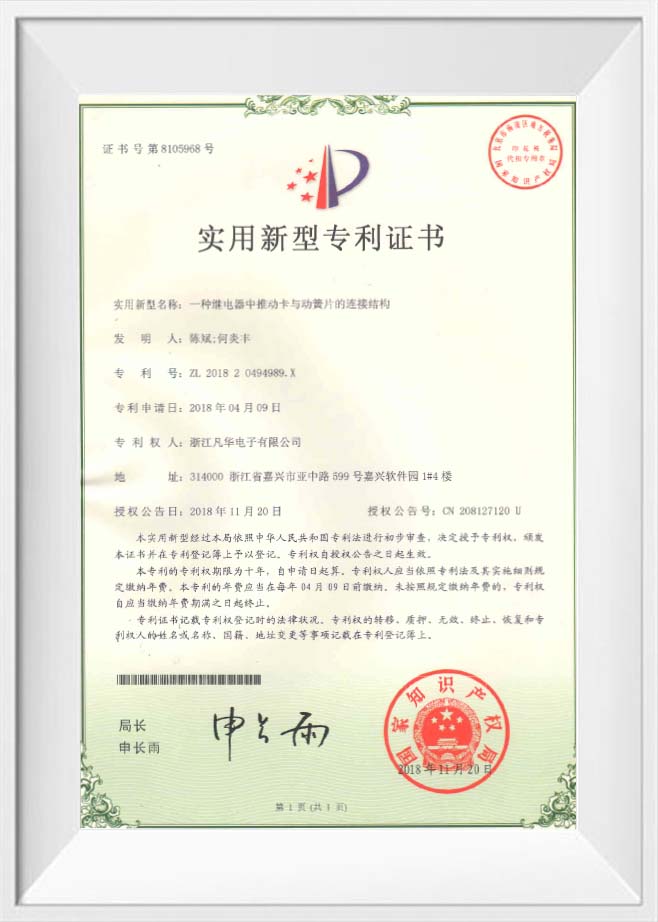
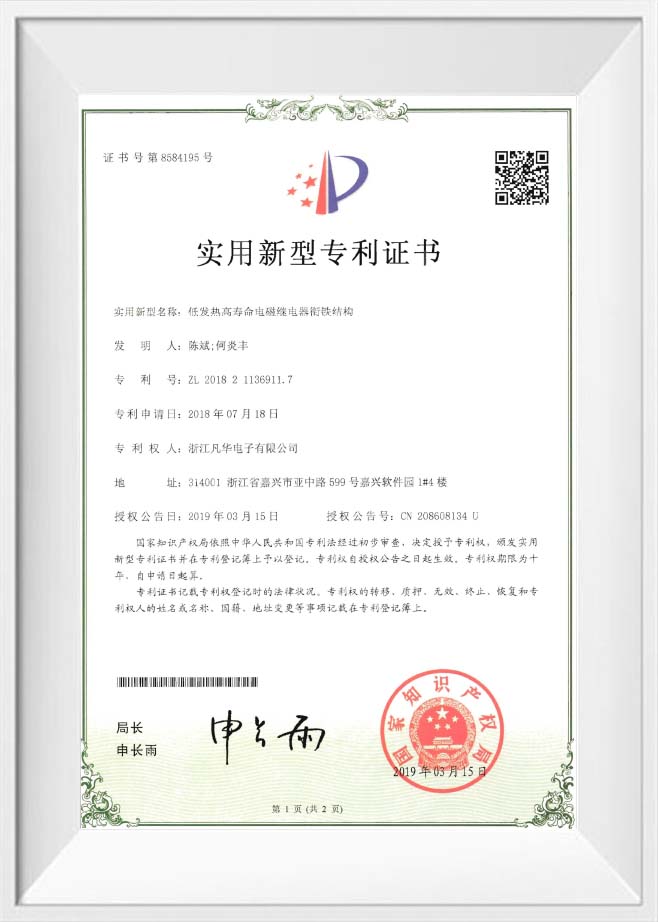
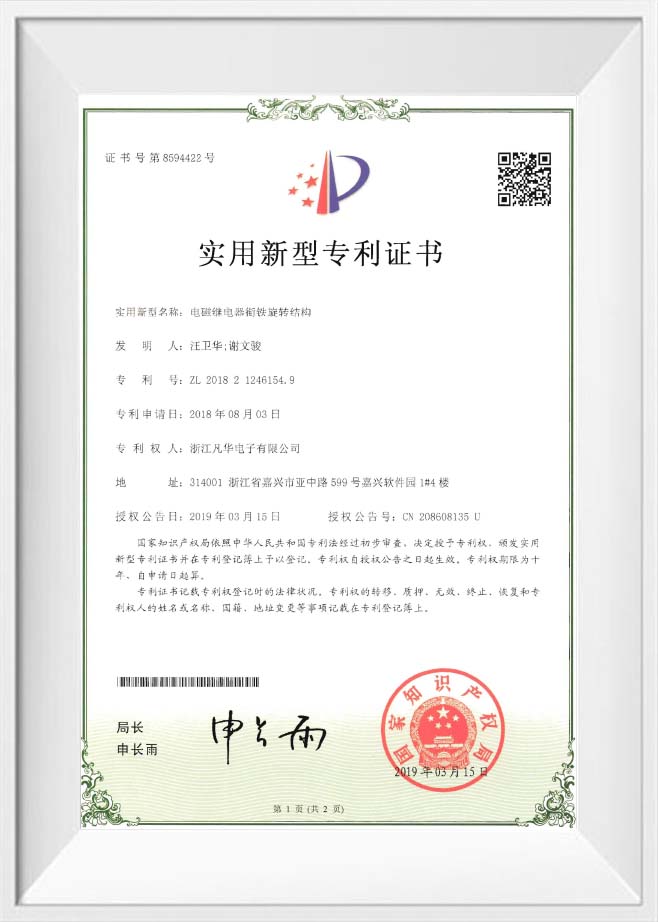
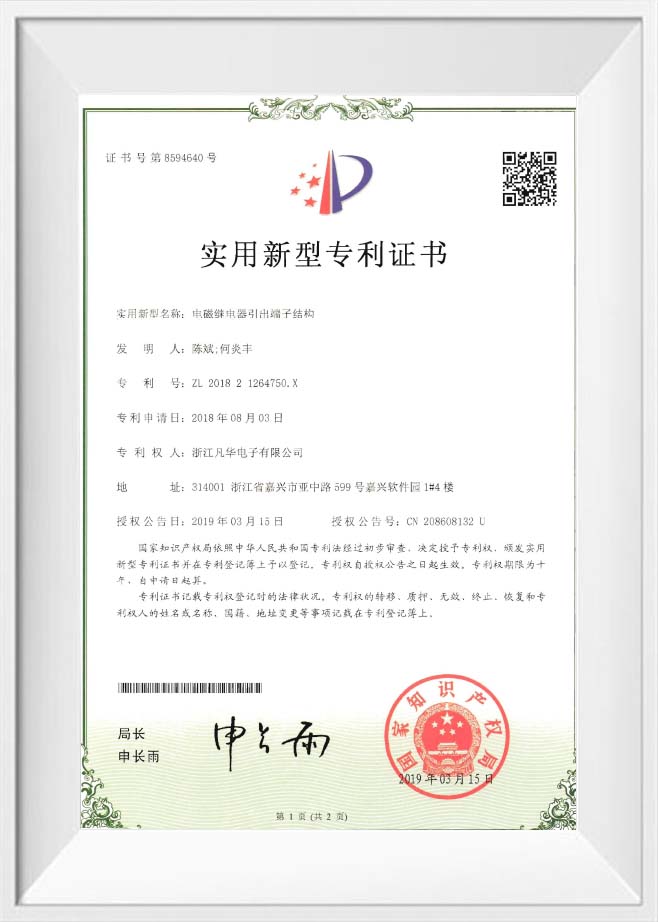
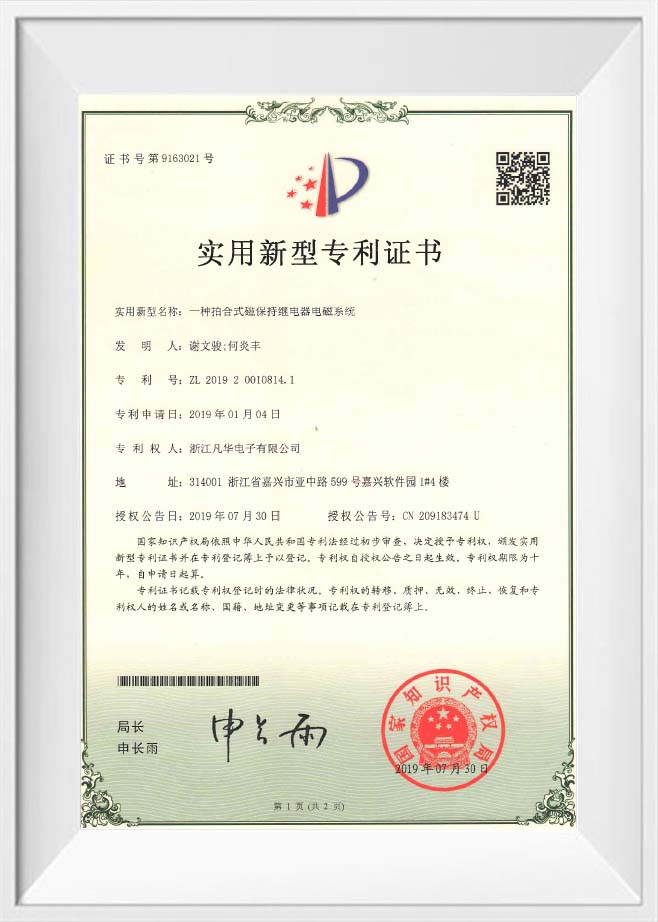
With a strong emphasis on technological innovation, we have been recognized as a National High-Tech Enterprise and Provincial R&D Center, holding more than 50 national patents. Our products have obtained international certifications, including ISO9001、ISO14001 and ISO45001, as well as authoritative UL、TUV and CQC certifications, fully complying with EU ROHS/REACH directives.
Maintaining a 98% delivery satisfaction rate, our products serve global industry leaders such as Huawei, Bull, and Eaton in smart home, industrial control, new energy, and power meter applications. Looking ahead, Fanhar Electronics will continue expanding production capacity and deepening our presence in the new energy market, striving to become a provider in the relay industry. We offer DC Current Shunt Resistor for sale.
Certificate Of Honor
News
-
-
Relays, as classic electrically controlled switching components, are powerful because they can use small current signals to control the switching and toggling of large current loads, and implement basic logic functions. This control method...
Read More -
With the rapid proliferation of new energy power generation, energy storage systems, and electric vehicle fast chargers, power relays—as critical switching components in circuits—play a vital role in determining the overall stability of e...
Read More -
South Asia's Premier Power & Energy Event – Three Shows in One with Unprecedented Scale POWERGEN India 2026 was held from September 1 to 3, 2026, at the Yashobhoomi – IICC in New Delhi, India. Co-located with Bharat Electricity and In...
Read More
Shunt Industry Knowledge
Understanding Current Shunt Resistors: A Comprehensive Guide to Precision Current Measurement
What is a Current Shunt Resistor?
A Current Shunt Resistor is a precision low-resistance component designed to measure electrical current by producing a small, proportional voltage drop across its terminals. Based on Ohm's Law (V = I × R), these resistors convert current flow into a measurable voltage signal, enabling accurate current monitoring without significantly disrupting circuit operation.
These essential components are widely deployed across power electronics, battery management systems, industrial automation, and automotive applications where precise current sensing is critical for performance optimization and safety monitoring.
Key Characteristics of Current Shunt Resistors
Fundamental Operating Principles
Current shunt resistors operate on a straightforward yet elegant principle:
- When placed in series with a load, the resistor generates a voltage drop proportional to the current flowing through it
- This voltage is measured using high-impedance amplification circuits or analog-to-digital converters
- The measured current is calculated using the formula: I = V ÷ R, where the resistance remains constant
- Typical resistance values range from micro-ohms to tens of milliohms to minimize power loss
Critical Performance Parameters
Selecting the appropriate Current Shunt Resistor requires careful evaluation of several key specifications:
- Resistance Value: Typically ranges from 0.1 mΩ to 100 mΩ, chosen based on maximum current and acceptable voltage drop
- Power Rating: Determines heat dissipation capacity, calculated using P = I² × R with 25-50% safety margin
- Temperature Coefficient (TCR): Measures resistance stability across temperature variations, with premium shunts offering ±10 ppm/°C or lower
- Tolerance: Indicates precision level, ranging from ±0.01% for laboratory-grade to ±1-5% for general applications
- Voltage Drop: Standard values include 50mV, 75mV, or 100mV at rated current for compatibility with measurement instruments
Types of Current Shunt Resistors
Precision Current Shunt vs. Standard Shunts
Precision Current Shunt resistors represent the highest tier of current sensing technology, engineered for applications demanding exceptional accuracy and stability. These specialized components minimize measurement errors through advanced material selection and manufacturing processes.
Key differentiators of Precision Current Shunts include:
- Ultra-low TCR values (often below ±10 ppm/°C) ensure minimal drift across operating temperatures
- Tight tolerance specifications (±0.01% to ±0.1%) for superior measurement repeatability
- Four-terminal Kelvin connections that eliminate lead resistance errors
- Long-term stability with minimal aging effects over extended operational periods
- Superior performance in calibration laboratories, test equipment, and critical monitoring systems
| Parameter | Precision Current Shunt | Standard Shunt Resistor |
| Accuracy Grade | 0.01% - 0.1% | 0.5% - 5% |
| TCR (ppm/°C) | ±5 to ±50 | ±50 to ±200 |
| Power Handling | Low to Medium (0.1W - 10W) | Wide Range (0.5W - 500W+) |
| Connection Type | 4-Wire Kelvin Standard | 2-Wire or 4-Wire |
| Typical Applications | Calibration, Medical, Aerospace | Industrial, Automotive, Consumer |
| Cost Consideration | Premium | Cost-Effective |
DC Current Shunt Resistor Configurations
DC Current Shunt Resistors are specifically optimized for direct current applications, featuring construction methods that address the unique challenges of DC measurement:
- Manganin or Constantan alloy construction providing near-zero thermal EMF
- Panel-mounted designs with robust terminals for industrial environments
- Standardized 75mV output at rated current for seamless integration with analog meters
- High overload capacity (typically 120% of rated current for 2 hours)
- Operating temperature ranges from -40°C to +60°C for harsh industrial conditions.
Electrical Shunts by Construction Technology
Electrical Shunts are manufactured using various technologies, each offering distinct advantages:
- Metal Foil Shunts: Provide exceptional precision with TCR as low as ±5 ppm/°C, ideal for high-frequency and precision applications
- Metal Strip/Plate Shunts: Offer excellent power handling and surge current capability for automotive and industrial drives
- Wirewound Shunts: Deliver superior stability and high power capacity, though with higher inductance limiting AC performance
- Thick Film Shunts: Cost-effective solution for high-volume applications with moderate precision requirements
Applications Across Industries
Automotive and Electric Vehicle Systems
The automotive sector represents one of the fastest-growing markets for Current Shunt Resistors, driven by vehicle electrification and advanced electronic systems. Critical applications include:
- Battery Management Systems (BMS) monitor charge/discharge currents for state-of-charge estimation
- On-board chargers (OBC) provide feedback for current control and overload protection
- Traction motor control enabling precise torque and speed regulation
- DC-DC converters ensure efficient power distribution across vehicle subsystems
- High-voltage power distribution units requiring AEC-Q200 qualified components
Industrial Power Electronics
Industrial applications leverage Precision Current Shunts for:
- Motor drive systems requiring real-time current feedback for vector control
- Power supply monitoring, ensuring load regulation and fault detection
- Servo drives demanding high-precision current sensing for position control
- Energy metering systemsrequireg accurate consumption measurement
- Renewable energy inverters track current flow in solar and wind systems
Consumer Electronics and Telecommunications
Compact Current Shunt Resistors enable advanced functionality in:
- Smartphone battery management ensures safe charging cycles
- Laptop power adapters monitoring output current
- 5G base stations managing power distribution across RF amplifiers
- Data center equipment tracks power consumption at the server level
- Wearable devices optimizing battery life through precise current monitoring
Design Considerations and Best Practices
Kelvin Connection Implementation
For achieving maximum accuracy with low-resistance Current Shunt Resistors, implementing proper Kelvin (4-wire) connections is essential. This technique separates current-carrying paths from voltage-sensing paths, eliminating errors caused by lead and contact resistance.
Implementation guidelines include:
- Route sense lines from the inner edges of resistor pads closest to the resistive element
- Maintain equal length and dimension for sense traces to ensure balanced measurement
- Position the current sense amplifiers as close to the shunt as possible
- Avoid vias in shunt pads to prevent solder wicking and uneven resistance
- Use differential pair routing for sense lines to reject common-mode noise
Thermal Management Strategies
Power dissipation in DC Current Shunt Resistors generates heat that can affect measurement accuracy. Effective thermal management requires:
- Proper derating—operating resistors below maximum ratings to extend lifespan
- Adequate copper area on PCBs for heat spreading
- Consideration of ambient temperature and airflow in enclosure design
- Selection of materials with low TCR to minimize temperature-induced drift
- Use of thermal interface materials when mounting panel-type shunts
High-Side vs. Low-Side Sensing
Placement of Electrical Shunts within circuits affects system performance:
| Configuration | Advantages | Considerations |
| Low-Side Sensing | Simple voltage measurement (ground-referenced), lower cost amplification | Cannot detect load-to-ground shorts, raises load ground potential |
| High-Side Sensing | Complete fault detection maintains the load ground reference | Requires differential amplifiers with high common-mode rejection |
Selection Guide for Engineers
Calculating Resistance Requirements
Determining the optimal Current Shunt Resistor value involves balancing multiple factors:
- Target voltage drop: Typically 50-100mV for compatibility with standard ADCs and meters
- Maximum current: Calculate R = V ÷ I to determine the required resistance
- Power dissipation: Verify P = I² × R remains within rated limits with a safety margin
- Signal-to-noise ratio: Ensure voltage drop exceeds system noise floor for reliable measurement
Material Selection Criteria
Alloy composition directly impacts Precision Current Shunt performance:
- Manganin: Preferred for precision applications with TCR ~±10-50 ppm/°C and excellent long-term stability
- Constantan: Offers good stability with moderate TCR for general industrial use
- Zeranin: Advanced alloy providing ultra-low TCR for the highest precision requirements
- Copper: Used in high-current applications where cost is the primary concern
FAQ
What is the difference between a current shunt resistor and a current sense resistor?
While the terms are often used interchangeably, they typically imply different use cases. Current sense resistors are generally low-resistance components integrated into electronic circuits for monitoring and control, designed with controlled frequency response for precision applications. Current shunt resistors are often associated with higher-current measurements and may be used in power distribution, instrumentation, or metering applications. Both rely on the same Ohm's Law principle but differ in scale, construction, and application environment.
How do I choose the right resistance value for my current shunt resistor?
Selecting the appropriate resistance involves calculating based on your maximum current and desired voltage drop. Use the formula R = V ÷ I, where V is your target sense voltage (typically 50-100mV), and I is the maximum current. For example, measuring 50A with a 75mV drop requires R = 0.0015Ω (1.5mΩ). Ensure the resulting power dissipation (P = I² × R) stays within the resistor's rating with at least 25% safety margin. Lower resistance minimizes power loss but produces smaller signals requiring more sensitive measurement circuits.
What is TCR, and why does it matter for current shunt resistors?
TCR (Temperature Coefficient of Resistance) measures how much resistance changes with temperature, expressed in ppm/°C (parts per million per degree Celsius). For a shunt resistor with 100 ppm/°C TCR and 100Ω initial resistance, a 50°C temperature change causes a 0.5Ω resistance shift. This directly impacts measurement accuracy—higher TCR means greater error as temperature varies. Premium Precision Current Shunts offer TCR as low as ±10 ppm/°C, essential for automotive (-40°C to +125°C) and industrial applications where temperature fluctuations are significant.
What is a Kelvin connection, and when should I use it?
A Kelvin (4-wire) connection uses four terminals: two for carrying current and two dedicated sense terminals for voltage measurement. This eliminates errors from lead and contact resistance, which can introduce 10-15% measurement errors in 2-wire configurations when measuring milliohm-range shunts. Use Kelvin connections for all Precision Current Shunt applications, particularly when resistance values are below 10mΩ or when accuracy better than 0.5% is required. Implementation involves routing sense lines from inside the resistor pads and maintaining equal trace lengths.
How do current shunt resistors compare to Hall effect sensors for current measurement?
Current Shunt Resistors offer higher accuracy (especially at DC/low frequency), lower cost, and wider frequency response,e but generate heat (I²R losses) and provide no galvanic isolation. Hall effect sensors provide inherent isolation and negligible power loss but have moderate accuracy affected by external magnetic fields, ana d higher cost. For DC applications requiring high precision, like battery management systems, shunt resistors are typically preferred. Hall sensors are preferred when isolation is critical or in high-current applications where heat dissipation is a concern.
What are the standard voltage drops for DC t shunt resistors?
Industry-standard DC Current Shunt Resistors typically produce 75mV at rated current, though 50mV and 100mV variants are also common. This standardization ensures compatibility with analog panel meters and measurement instruments designed for these specific voltage ranges. For example, a 100A/75mV shunt has 0.00075Ω resistance, while a 50A/75mV shunt has 0.0015Ω. When selecting shunts for existing equipment, verify the meter's full-scale voltage requirement to ensure proper scaling and accuracy.
Can current shunt resistors be used in AC applications?
Yes, Current Shunt Resistors work for AC measurement, but considerations differ from DC applications. Wirewound shunts exhibit inductance that can cause phase shifts and measurement errors at higher frequencies. Metal foil or metal plate shunts offer lower inductance and better AC performance. For pure AC applications, current transformers (CTs) are often preferred as they provide isolation and handle high currents without heat generation. However, for DC-biased AC or wide-frequency range requirements, shunt resistors remain effective when properly specified for frequency response.
What causes current shunt resistor measurement errors, and how can I minimize them?
Primary error sources include: thermal drift (minimized by selecting low-TCR materials), lead resistance (eliminated via Kelvin connections), thermoelectric voltages (reduced by consistent material usage and temperature gradients), PCB layout issues (addressed through proper trace routing and amplifier placement), and self-heating (managed through thermal design and derating). Additional factors include soldering quality, contact resistance at terminals, and electromagnetic interference. Following manufacturer layout guidelines and implementing proper thermal management can reduce total error to below 0.1% in precision applications.
What certifications should I look for in automotive current shunt resistors?
For automotive applications, seek Current Shunt Resistors with AEC-Q200 qualification—the global standard for passive component stress testing in automotive environments. Additional important certifications include ISO9001 (quality management), ISO14001 (environmental), and ISO45001 (occupational health and safety). For international markets, UL recognition, TUV certification, and compliance with EU ROHS/REACH directives ensure regulatory adherence. These certifications guarantee components can withstand automotive temperature ranges (-40°C to +125°C), vibration, and long-term reliability requirements.
How do I calculate the power rating needed for my current shunt resistor?
Calculate power dissipation using P = I² × R, where I is the maximum continuous current, and R is the shunt resistance. Apply a safety margin of 25-50% above the calculated power. For example, with 20A through a 5mΩ shunt: P = 20² × 0.005 = 2W. Select a 3W or higher rated resistor. Consider derating curves—many resistors must be derated above 70°C ambient temperature. For pulsed applications, verify the resistor's pulse capability as peak power handling often exceeds continuous ratings. Always consult manufacturer datasheets for specific derating requirements.

- Tel +86-573-82237888
- Email [email protected]
- Address No. 828, Xinchang Road, Nanhu District, Jiaxing, Zhejiang, China
Products
