
 EN
EN
 English
 Español
 русский
 简体中文
简体中文

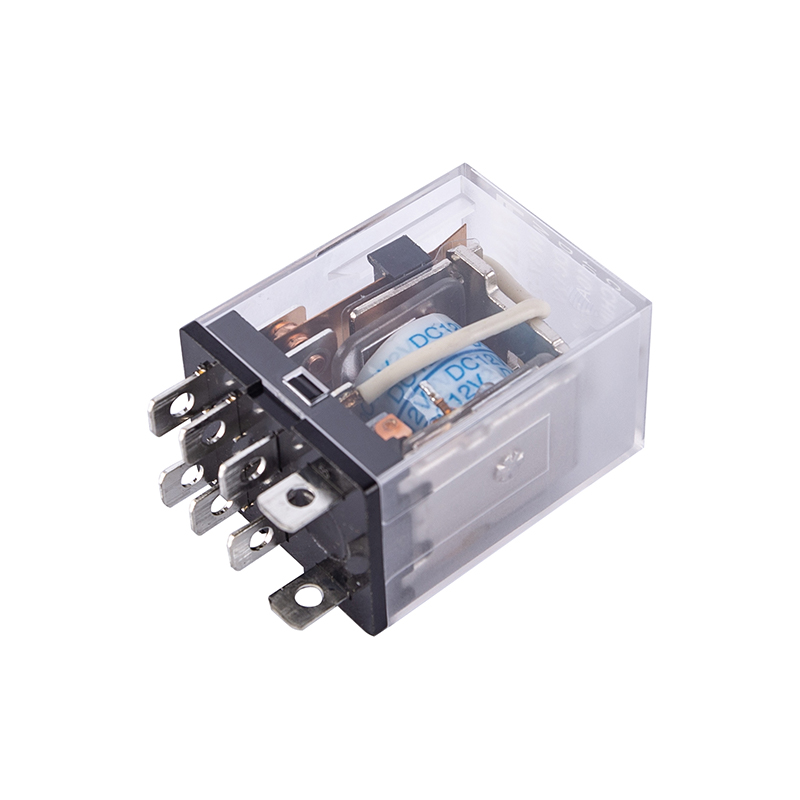
At a time when new energy power generation, energy storage systems, and electric vehicle charging piles are rapidly becoming widespread, new energy relays, as key switching components in circuits, directly affect the stable operation of complete equipment through their current-carrying capability, safety isolation level, and long-term r...
Read More
x
Custom High-Voltage DC (HVDC) Relay Manufacturers
High-voltage DC relays are key control components used in high-voltage DC circuits, primarily for on/off control, current and voltage regulation, and system protection. High-voltage DC relays offer high voltage, load, and shock resistance, strong arc extinguishing capabilities, and high interrupting capacity, making them suitable for applications in new energy vehicles, industrial control, power systems, and other fields. High-voltage DC relays are core components in new energy vehicles, used in key systems such as battery systems, motor controllers, and charging stations. Their design must consider parameters such as electrical life, rated current, short-term current, and maximum interrupting current to ensure stable operation in high-voltage and high-current environments.
About Us
Zhejiang Fanhar Electronics Co., Ltd.
Zhejiang Fanhar Electronics Co., Ltd. is China Custom High-Voltage DC Relay Suppliers and HVDC relay Manufacturers, a national high-tech enterprise specializing in R&D, manufacturing, and sales of relays. Our products are widely applied in smart home systems, photovoltaic new energy, charging piles, smart meters, industrial control, and other fields.
Currently, we have a professional team of nearly 600 employees and operate 35 fully automated production lines, with 40% of our products exported to over 20 countries worldwide. To better serve our customers and meet market demands, we continuously improve our products and manufacturing technologies, investing 6%-8% of annual sales revenue in R&D and innovation.
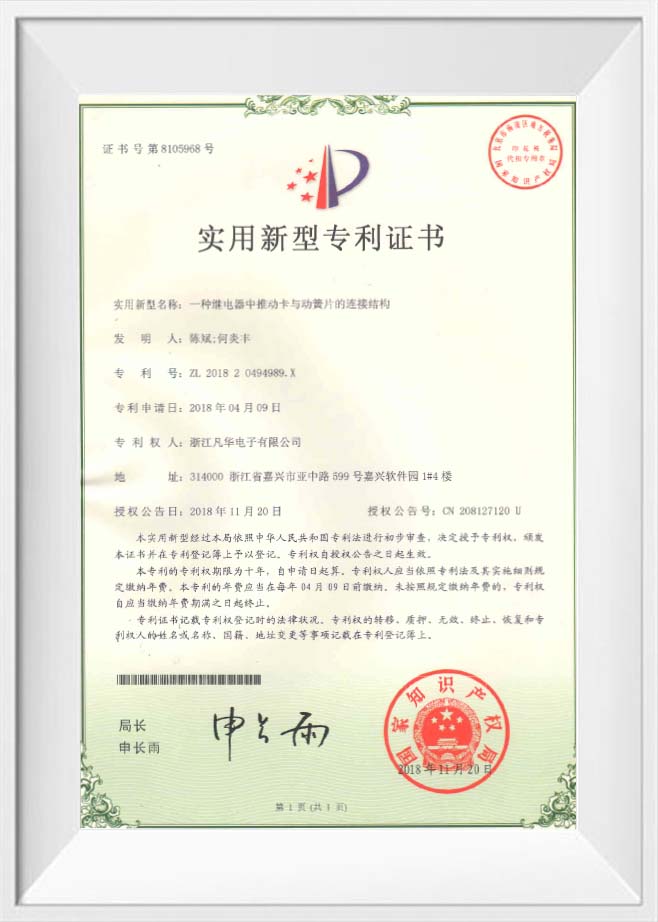
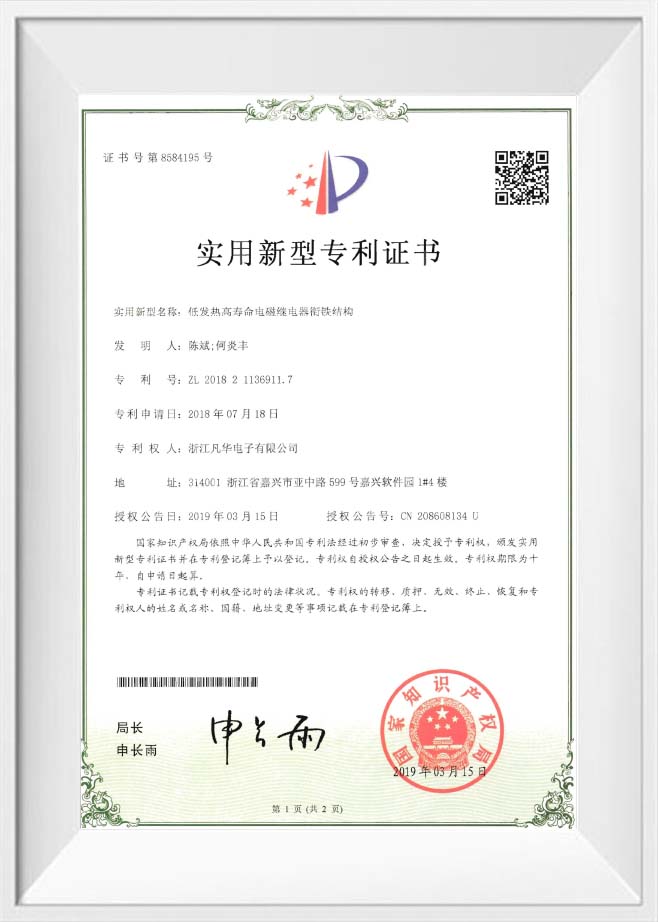
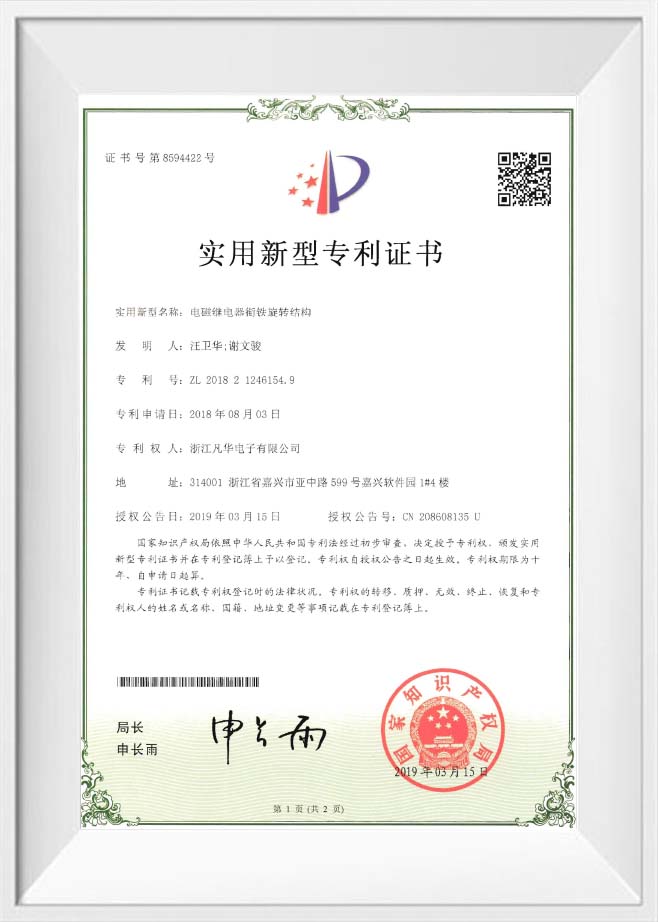
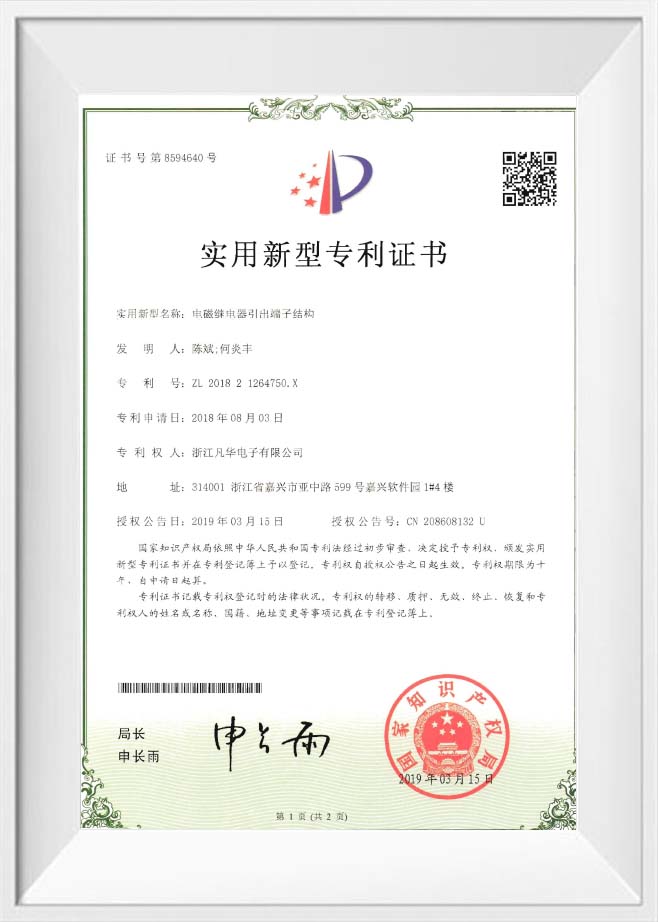
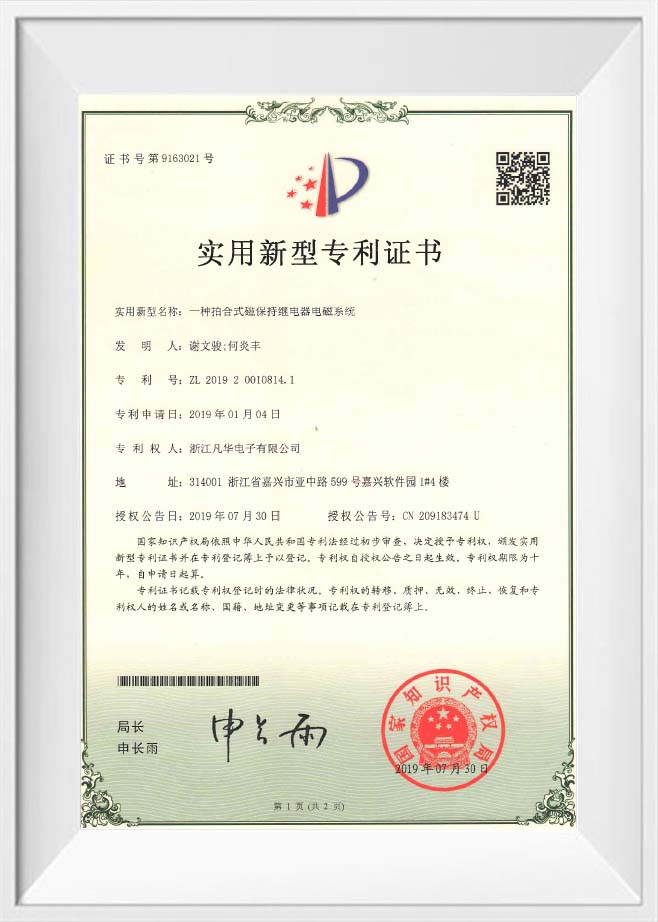
With a strong emphasis on technological innovation, we have been recognized as a National High-Tech Enterprise and Provincial R&D Center, holding more than 50 national patents. Our products have obtained international certifications, including ISO9001、ISO14001 and ISO45001, as well as authoritative UL、TUV and CQC certifications, fully complying with EU ROHS/REACH directives.
Maintaining a 98% delivery satisfaction rate, our products serve global industry leaders such as Huawei, Bull, and Eaton in smart home, industrial control, new energy, and power meter applications. Looking ahead, Fanhar Electronics will continue expanding production capacity and deepening our presence in the new energy market, striving to become a provider in the relay industry. We offer High Voltage DC Contactor for sale.
Certificate Of Honor
News
-
-
The most common mistake in current shunt resistor selection is treating the continuous current rating as the main specification. A shunt that can pass 100 A can still create a 2% error if its resistance drifts under self-heating, if solder and trace resistance distort the sense voltage, or if layout noise couples into the Kelvin loop. Th...
Read More -
Relays, as classic electrically controlled switching components, are powerful because they can use small current signals to control the switching and toggling of large current loads, and implement basic logic functions. This control method, based on physical contacts, holds advantages in noise immunity, electrical isolation, and power ha...
Read More
High-voltage DC Relay Industry Knowledge
How Do High-Voltage DC Relays Improve System Efficiency and Safety?
In the world of electrical and power systems, ensuring operational efficiency and safety is paramount. As systems grow more complex and energy demands increase, it becomes critical to implement technologies that can handle higher loads without compromising performance. High-voltage DC relays have emerged as a crucial component in such systems, providing solutions for energy management, circuit protection, and improved system longevity.
Understanding HVDC relays and Contactors
Before diving into their impact on system efficiency and safety, it’s essential to understand what high-voltage DC relays and high-voltage DC contactors are.
-
High-Voltage DC Relay: A high-voltage direct current relay is a type of switch used to control electrical circuits that operate under direct current (DC) at high voltage levels, typically over 1,000V. They are designed to handle significant current without generating excessive heat or causing arcing, which is common in high-power applications.
-
High-Voltage DC Contactor: This is essentially a type of relay designed specifically for high-voltage DC circuits. It is used to establish or break the connection in power systems, particularly those found in solar energy systems, electric vehicles (EVs), and industrial machinery.
Both relays and contactors serve similar functions but differ in their design based on the type of current and voltage they are optimized for.
How High-Voltage DC Relays Improve Efficiency
High-Voltage DC relays contribute to the efficiency of electrical systems in several key ways:
-
Enhanced Load Handling: HVDC relays are designed to handle large current flows, which helps in maintaining system stability when operating under heavy loads. By switching high-current circuits without damage or interruption, they ensure that systems can operate smoothly, even during peak energy demands.
-
Reduced Energy Loss: One of the most significant benefits of using high-voltage DC relays is the reduction of energy loss during the switching process. These relays use advanced materials and engineering designs to minimize energy dissipation. For example, relays made with silver alloy contacts reduce resistance, which in turn lowers the amount of power lost to heat.
-
Optimized Power Distribution: The ability to control high-voltage circuits with precision allows for more efficient distribution of energy. This means less energy is wasted, and systems can allocate power where it’s needed most, improving the overall efficiency of energy use.
Safety Enhancements Through High-Voltage DC Relays
In high-voltage systems, safety is always a top priority. The risk of electrical faults, fires, or even explosions is significantly higher when handling DC circuits at elevated voltages. High-voltage DC relays improve safety by providing the following protections:
-
Arc Suppression: One of the biggest challenges in DC circuits is managing the risk of arcing during the opening or closing of switches. High-voltage DC relays are engineered with arc-quenching technologies, such as specialized contact materials and arc chambers, that ensure sparks are suppressed, reducing the risk of equipment damage or fires.
-
Overload Protection: High-voltage DC relays can automatically disconnect circuits when an overload is detected. This prevents damage to sensitive components and ensures that the system remains operational during abnormal conditions. For instance, a high-voltage DC contactor can be set to break the circuit when current exceeds safe levels, protecting both the device and its users.
-
Short-Circuit Protection: When a short circuit occurs, relays can quickly isolate the affected part of the circuit, minimizing damage and preventing the failure from propagating throughout the entire system. This quick response is critical in systems like electric vehicles (EVs) or photovoltaic energy systems, where safety is paramount.
Key Applications of HVDC relays
High-voltage DC relays find applications across various industries, playing a vital role in the efficiency and safety of power systems. Here are some of the most common areas where these relays are used:
| Application | Description |
|---|---|
| Smart Home Systems | High-voltage DC relays are used to control the flow of electricity in smart home devices such as solar power systems and charging stations for electric vehicles. |
| Photovoltaic New Energy | These relays help manage the power flow from solar panels to the grid, ensuring stable and safe energy distribution. |
| Electric Vehicle Charging Stations | High-voltage DC relays ensure the efficient and safe transfer of energy from charging stations to electric vehicles, while minimizing energy losses. |
| Industrial Control | Used in industrial machinery and robotics, these relays help improve operational safety and efficiency in manufacturing processes. |
| Power Meters and Utility Systems | High-voltage DC relays are critical for the precise measurement and regulation of energy consumption in power meters, ensuring accurate readings and system reliability. |
Technological Innovations in High-Voltage DC Relays
Over the years, high-voltage DC relays have evolved significantly, benefiting from advancements in materials science, electronic engineering, and manufacturing processes. Zhejiang Fanhar Electronics Co., Ltd. have led the way in innovating and producing relays that offer improved performance, longer lifespan, and enhanced safety features.
- Advanced Materials: Relays today are built with high-grade alloys and composite materials that offer superior conductivity, corrosion resistance, and durability.
- Automation and Quality Control: With fully automated production lines, Zhejiang Fanhar Electronics Co., Ltd. ensures that each relay meets stringent quality standards, offering products that perform reliably even in the harshest conditions.
FAQ
Q1: What makes high-voltage DC relays different from regular DC relays?
High-voltage DC relays are designed to operate at much higher voltage levels, typically over 1,000V, and are engineered with specialized materials to prevent arcing and handle larger currents.
Q2: Can high-voltage DC relays be used in renewable energy systems?
Yes, high-voltage DC relays are commonly used in photovoltaic (solar) energy systems to control the flow of electricity from solar panels to the grid or batteries, ensuring safe and efficient energy distribution.
Q3: How do high-voltage DC relays improve safety?
They prevent dangerous conditions such as arcing, overloads, and short circuits, effectively isolating faulty components and ensuring the system remains safe and operational.
Q4: What industries benefit from high-voltage DC relays?
Industries like electric vehicle charging, smart homes, industrial control, and renewable energy benefit greatly from the efficiency and safety provided by high-voltage DC relays.
Q5: What certifications should I look for when purchasing high-voltage DC relays?
Look for relays that have international certifications like ISO9001, ISO14001, ISO45001, and UL to ensure product quality, safety, and compliance with global standards.
Conclusion
High-voltage DC relays play a crucial role in enhancing the efficiency and safety of modern electrical systems. Whether used in smart homes, electric vehicles, or renewable energy systems, these relays are indispensable for managing high-voltage circuits with precision and reliability.

- Tel +86-573-82237888
- Email [email protected]
- Address No. 828, Xinchang Road, Nanhu District, Jiaxing, Zhejiang, China
Products
