
 EN
EN
 English
 Español
 русский
 简体中文
简体中文

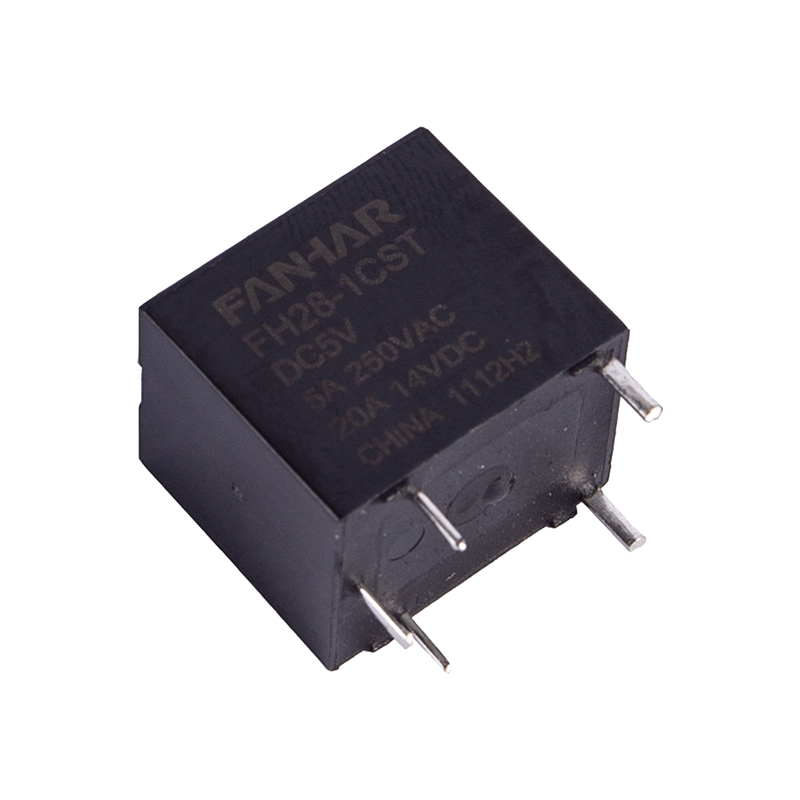
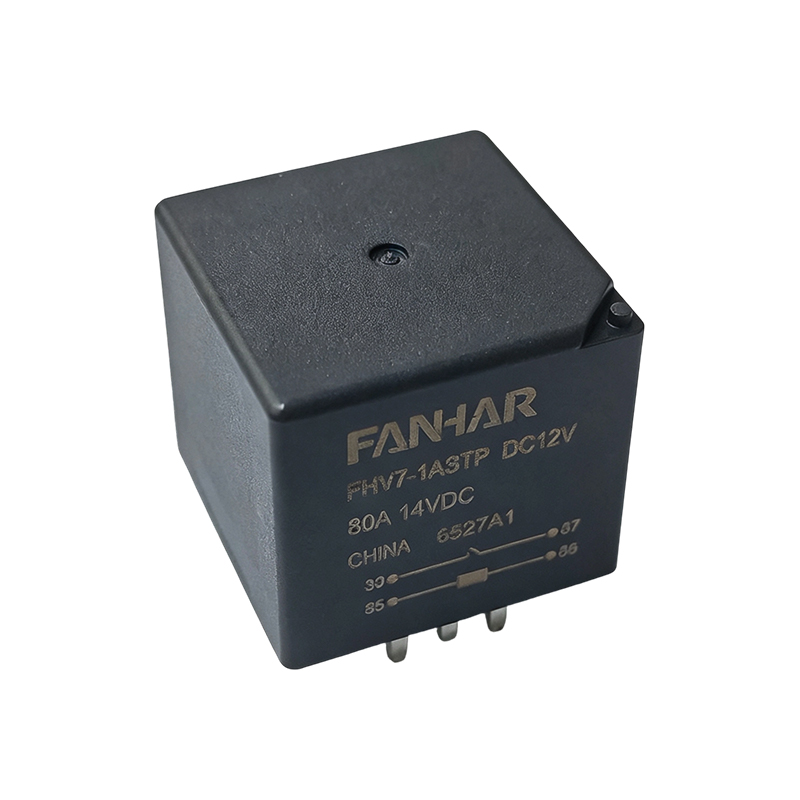
At a time when new energy power generation, energy storage systems, and electric vehicle charging piles are rapidly becoming widespread, new energy relays, as key switching components in circuits, directly affect the stable operation of complete equipment through their current-carrying capability, safety isolation level, and long-term r...
Read More
x
Custom Automotive OEM Relays Manufacturers
About Us
Zhejiang Fanhar Electronics Co., Ltd.
Zhejiang Fanhar Electronics Co., Ltd. is China Custom Automotive OEM Relay Suppliers and Vehicle Relay Manufacturers, a national high-tech enterprise specializing in R&D, manufacturing, and sales of relays. Our products are widely applied in smart home systems, photovoltaic new energy, charging piles, smart meters, industrial control, and other fields.
Currently, we have a professional team of nearly 600 employees and operate 35 fully automated production lines, with 40% of our products exported to over 20 countries worldwide. To better serve our customers and meet market demands, we continuously improve our products and manufacturing technologies, investing 6%-8% of annual sales revenue in R&D and innovation.
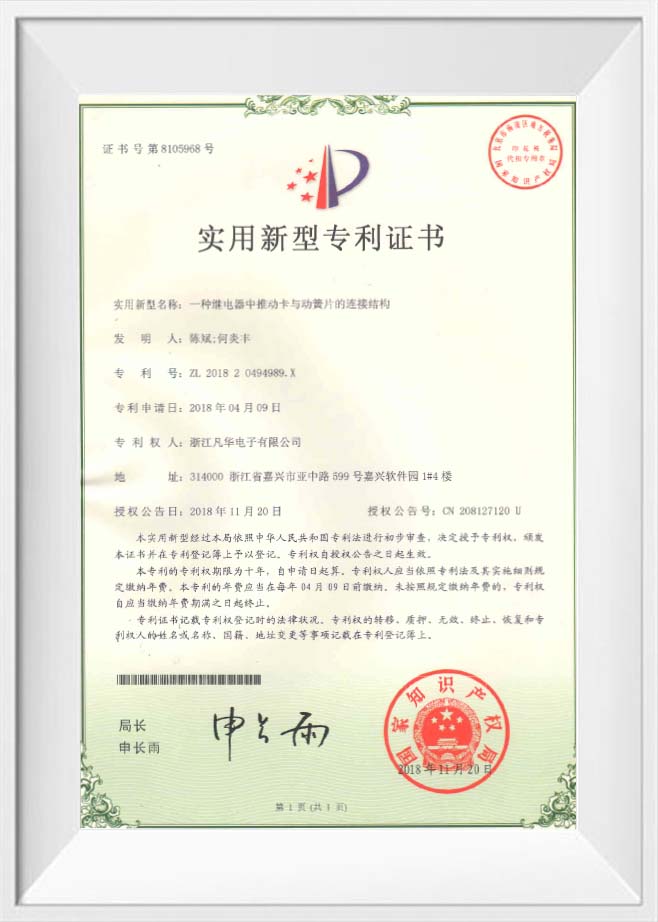
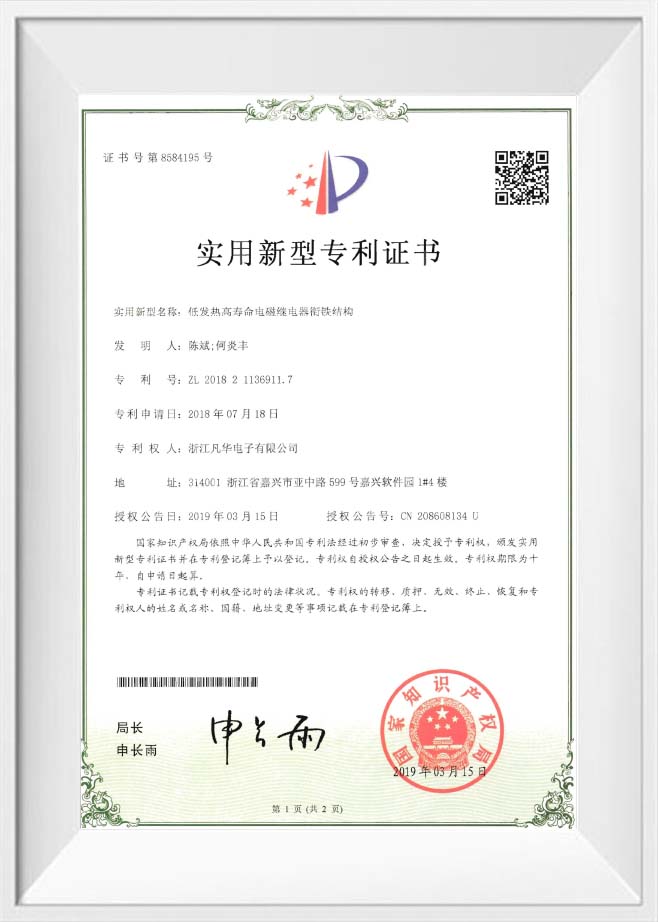
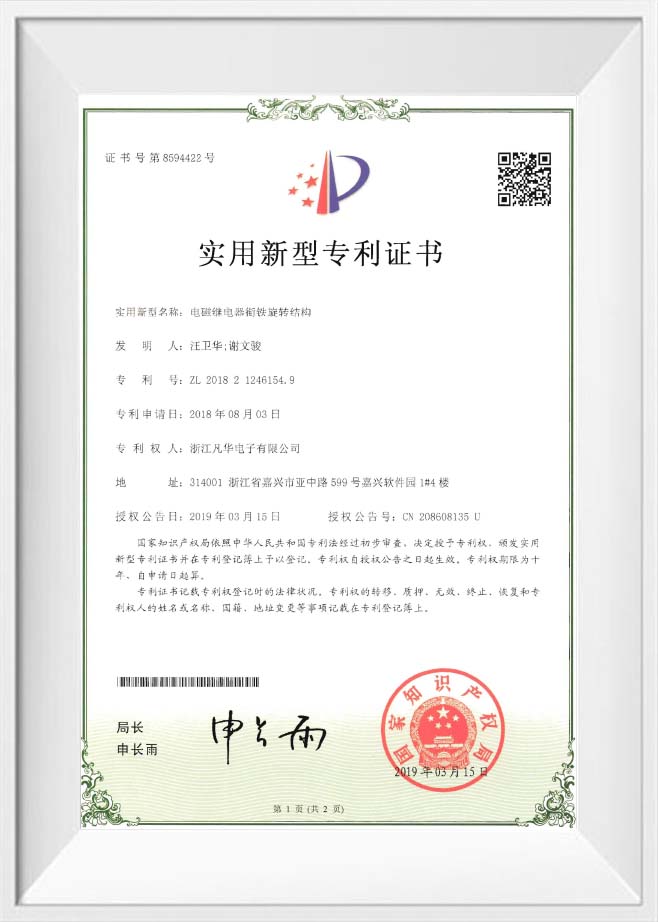
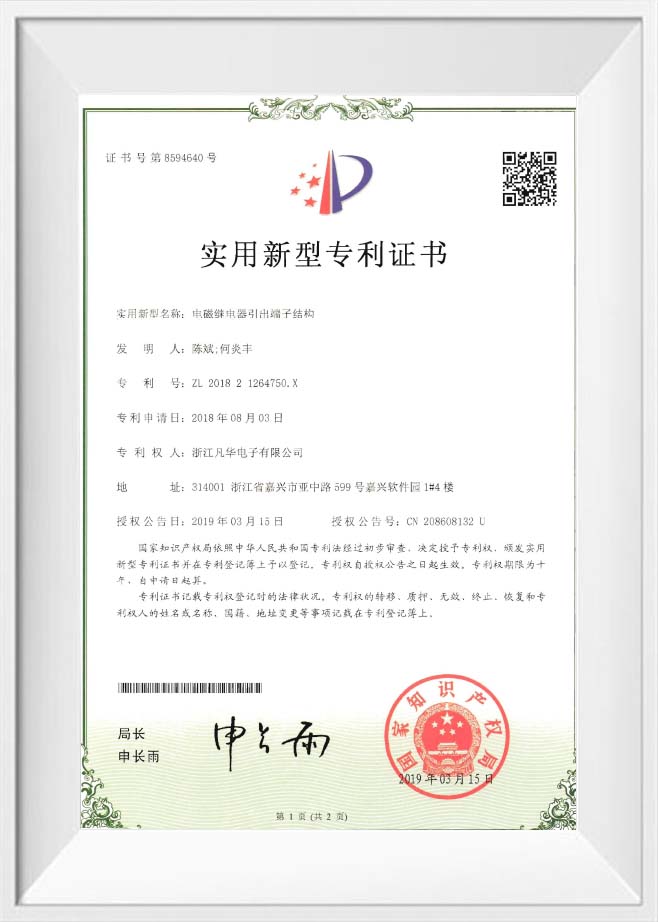
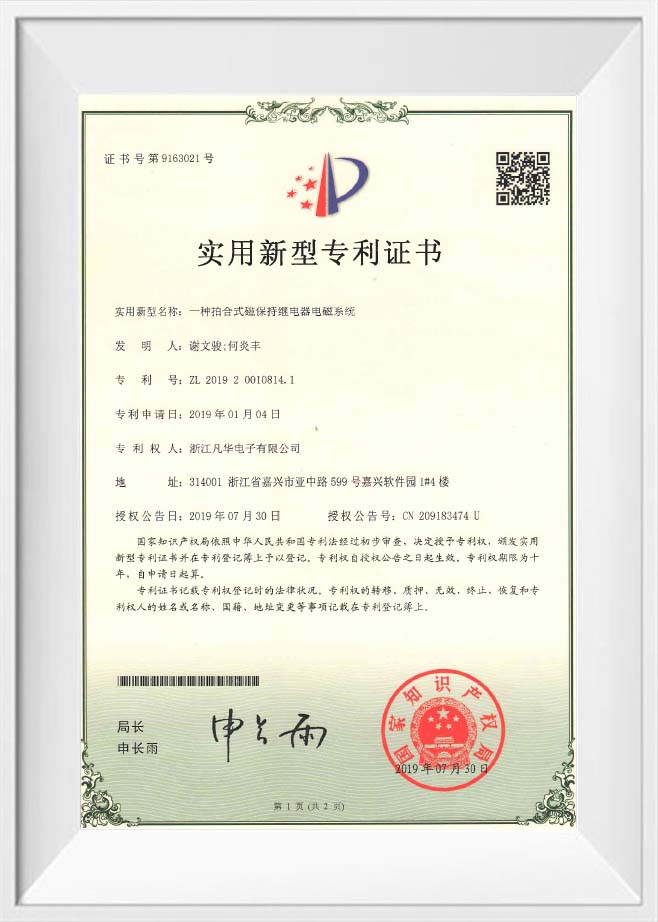
With a strong emphasis on technological innovation, we have been recognized as a National High-Tech Enterprise and Provincial R&D Center, holding more than 50 national patents. Our products have obtained international certifications, including ISO9001、ISO14001 and ISO45001, as well as authoritative UL、TUV and CQC certifications, fully complying with EU ROHS/REACH directives.
Maintaining a 98% delivery satisfaction rate, our products serve global industry leaders such as Huawei, Bull, and Eaton in smart home, industrial control, new energy, and power meter applications. Looking ahead, Fanhar Electronics will continue expanding production capacity and deepening our presence in the new energy market, striving to become a provider in the relay industry. We offer Powertrain Control Module Relays for sale.
Certificate Of Honor
News
-
-
The most common mistake in current shunt resistor selection is treating the continuous current rating as the main specification. A shunt that can pass 100 A can still create a 2% error if its resistance drifts under self-heating, if solder and trace resistance distort the sense voltage, or if layout noise couples into the Kelvin loop. Th...
Read More -
Relays, as classic electrically controlled switching components, are powerful because they can use small current signals to control the switching and toggling of large current loads, and implement basic logic functions. This control method, based on physical contacts, holds advantages in noise immunity, electrical isolation, and power ha...
Read More
Automotive Relay Industry Knowledge
How does a tiny automotive OEM relay ensure the stability and safety of the entire vehicle's electrical system?
In today's automotive industry, which is constantly moving towards intelligence and electrification, people often focus on batteries, motors, or intelligent driving systems, but overlook a crucial component that works silently—the automotive OEM relay. Despite its small size, it bears the heavy responsibility of current control and system protection.
Is an automotive relay really just a simple switch?
In principle, a relay is indeed a switch that uses electromagnetic interaction to open and close circuits. However, in the automotive field, its function goes far beyond that. With the continuous upgrading of the vehicle's electronic and electrical architecture, the relay has long since evolved from a traditional "on/off control" device into a critical node that balances safety, protection, and intelligent control.
For example, in the engine control module (PCM), the relay is not only responsible for power supply switching but also bears the important responsibility of preventing current overload and protecting sensitive electronic components. In new energy vehicles, it is even more crucial, serving as a bridge connecting high-voltage and low-voltage systems; a control malfunction could lead to serious safety hazards.
This is why OEM relays need to be deeply adapted to the entire vehicle system from the initial design stage, rather than being a universal replacement.
Why do OEMs prefer OEM-customized relays?
Compared to universal relays, automotive OEM relays emphasize matching and coordination. When designing electrical systems, OEMs comprehensively consider load characteristics, spatial layout, and the entire vehicle life cycle, thus placing more refined requirements on relays.
This customization is not only reflected in the parameters but also in long-term stability. Relays need to operate stably continuously under extreme temperature differences, frequent start-stop cycles, and complex electromagnetic environments, which raises the bar for manufacturing processes and material selection.
Zhejiang Fanhar Electronics Co., Ltd., a national high-tech enterprise specializing in relay R&D and manufacturing, ensures its products maintain stable performance in complex application scenarios through continuous technological investment and process optimization. Continuously improving product durability and consistency is one of the core capabilities valued by OEM customers.
Will relays be replaced in the new energy era?
With the development of solid-state electronics technology, some believe that traditional relays may gradually be replaced. However, current industry trends suggest the answer isn't so simple.
Especially in the new energy vehicle sector, high-voltage systems have extremely high requirements for safety isolation, and relays still possess an irreplaceable advantage in achieving physical disconnection. Whether it's charging piles, battery management systems, or high-voltage control of the entire vehicle, relays remain a crucial component.
Meanwhile, relays themselves are constantly evolving. For example, by optimizing contact materials, improving sealing structures, and enhancing arc resistance, they are becoming more adaptable to high-voltage, high-current environments.
Zhejiang Fanhar Electronics Co., Ltd. is continuously expanding its product applications in response to this trend, from smart homes to photovoltaic new energy, and then to charging piles and industrial control, gradually forming cross-domain technological accumulation. This multi-scenario application experience also feeds back into the R&D of automotive relays, making the products more forward-looking.
How does a single relay reflect the difference in manufacturing capabilities?
Relays may seem simple in structure, but their performance is highly dependent on manufacturing processes. Contact precision, coil winding, and packaging processes—each step directly affects product lifespan and stability.
In mass production, the level of automation is particularly critical. Zhejiang Fanhar Electronics Co., Ltd. boasts 30 fully automated production lines, effectively enhancing product consistency through highly standardized process control. Simultaneously, a professional team of nearly 500 people supports R&D and production, enabling technological innovation to be rapidly transformed into actual products.
International certification systems are also important standards for measuring manufacturing strength. Certifications such as ISO9001, ISO14001, and ISO45001, as well as authoritative certifications like UL, TUV, and CQC, signify that products not only meet performance requirements but also comply with global market standards.
Looking to the future, where will automotive relays go?
With the development of intelligent vehicles, relays will no longer be mere single-function components but will evolve towards high integration, miniaturization, and intelligence. They need to better integrate into the vehicle's electronic architecture while meeting higher safety and efficiency requirements.
In this process, companies with continuous R&D capabilities and global service capabilities will have a greater competitive advantage. By continuously expanding production capacity, optimizing technology routes, and deeply investing in the new energy market, Zhejiang Fanhar Electronics Co., Ltd. is moving towards becoming a higher-level relay solution provider.
FAQ
Q1: What is the difference between an automotive OEM relay and a regular relay?
OEM relays are custom-developed products based on the needs of OEMs. They are more in line with automotive-grade standards in terms of performance matching, reliability, and lifespan, while regular relays are more geared towards general applications.
Q2: Are relays still important in new energy vehicles?
Very important, especially in high-voltage systems. Relays remain key components for achieving safe power disconnection and circuit control.
Q3: How to judge the reliability of a relay?
It can be judged comprehensively from aspects such as certification system, lifespan, environmental resistance, and the R&D and production capabilities of the manufacturer.
Q4: What are the advantages of Zhejiang Fanhar Electronics?
The company has strong R&D investment, automated production capabilities, and a complete international certification system. It also has extensive industry application experience and a stable global customer base.

- Tel +86-573-82237888
- Email [email protected]
- Address No. 828, Xinchang Road, Nanhu District, Jiaxing, Zhejiang, China
Products
