
 EN
EN
 English
 Español
 русский
 简体中文
简体中文

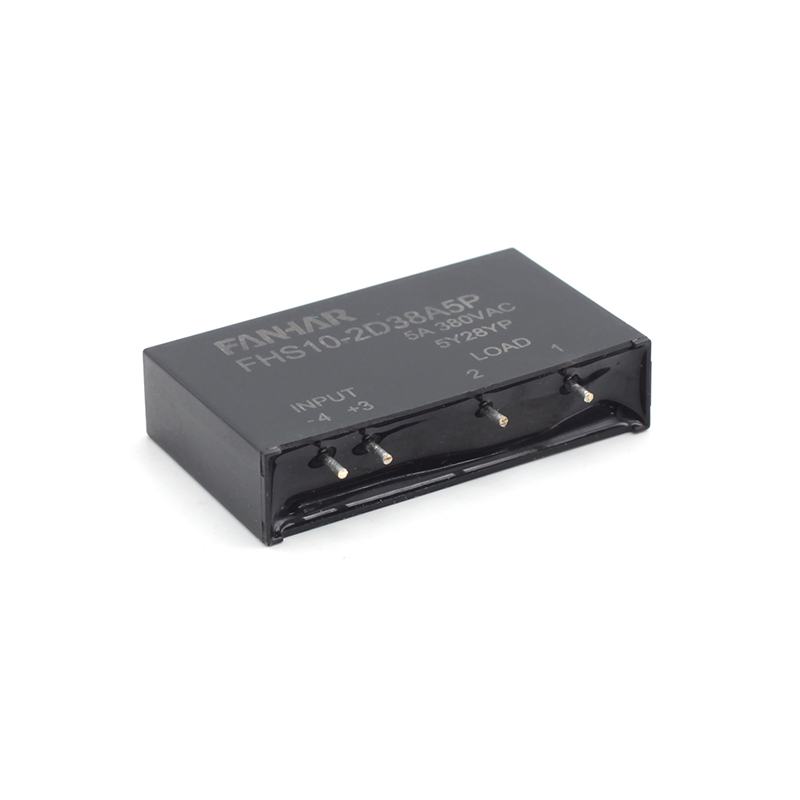
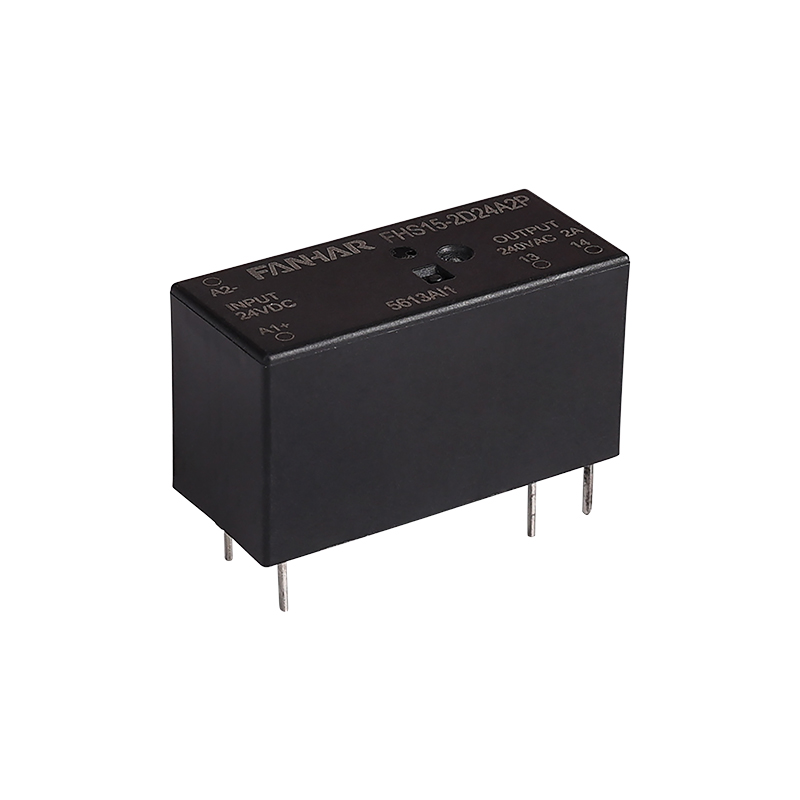
At a time when new energy power generation, energy storage systems, and electric vehicle charging piles are rapidly becoming widespread, new energy relays, as key switching components in circuits, directly affect the stable operation of complete equipment through their current-carrying capability, safety isolation level, and long-term r...
Read More
x
Custom Solid State Relays (SSR) Manufacturers
About Us
Zhejiang Fanhar Electronics Co., Ltd.
Zhejiang Fanhar Electronics Co., Ltd. is China Custom Solid State Relays (SSR) Suppliers and Semiconductor Relay Manufacturers, a national high-tech enterprise specializing in R&D, manufacturing, and sales of relays. Our products are widely applied in smart home systems, photovoltaic new energy, charging piles, smart meters, industrial control, and other fields.
Currently, we have a professional team of nearly 600 employees and operate 35 fully automated production lines, with 40% of our products exported to over 20 countries worldwide. To better serve our customers and meet market demands, we continuously improve our products and manufacturing technologies, investing 6%-8% of annual sales revenue in R&D and innovation.
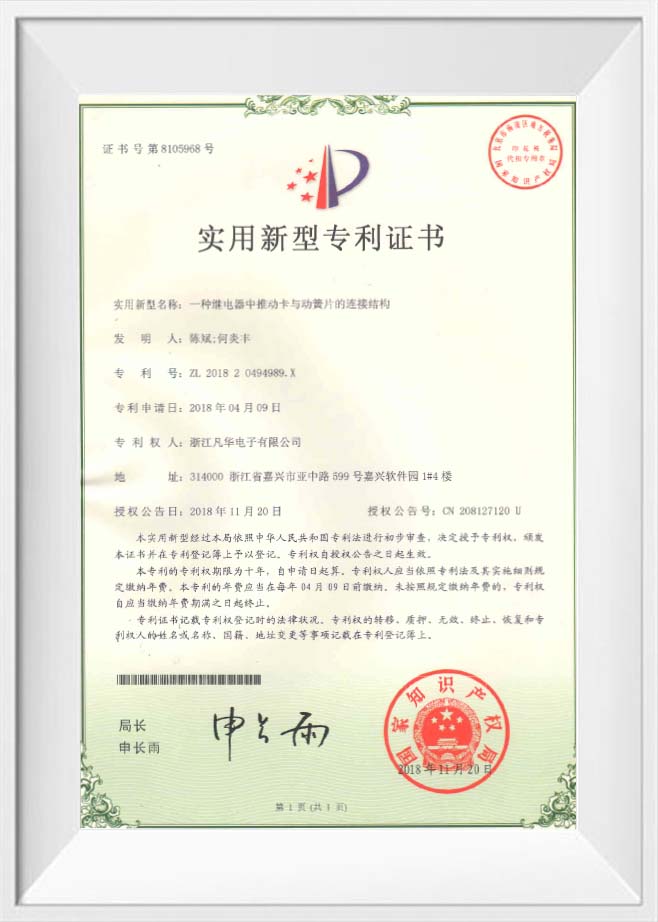
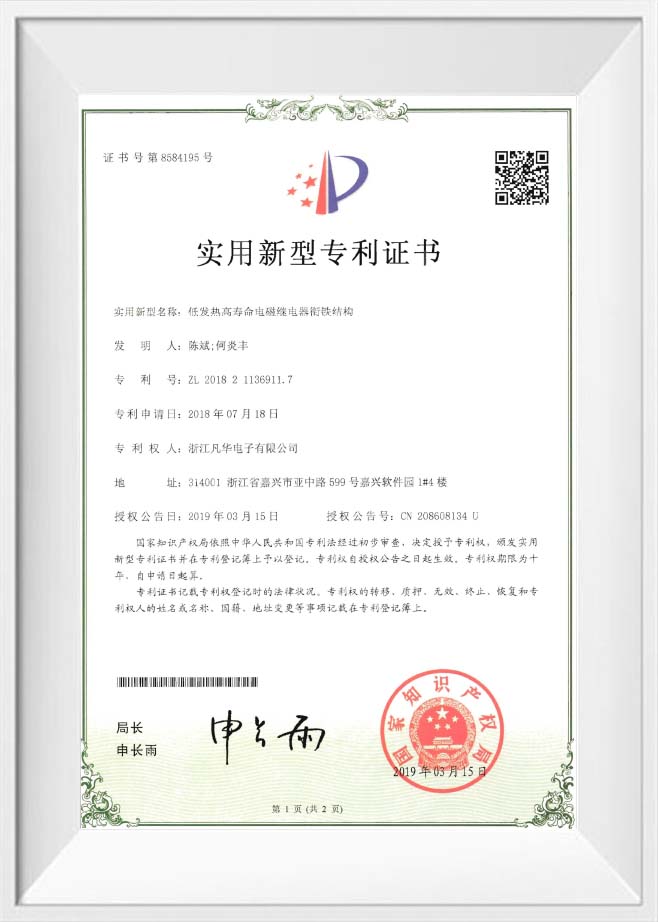
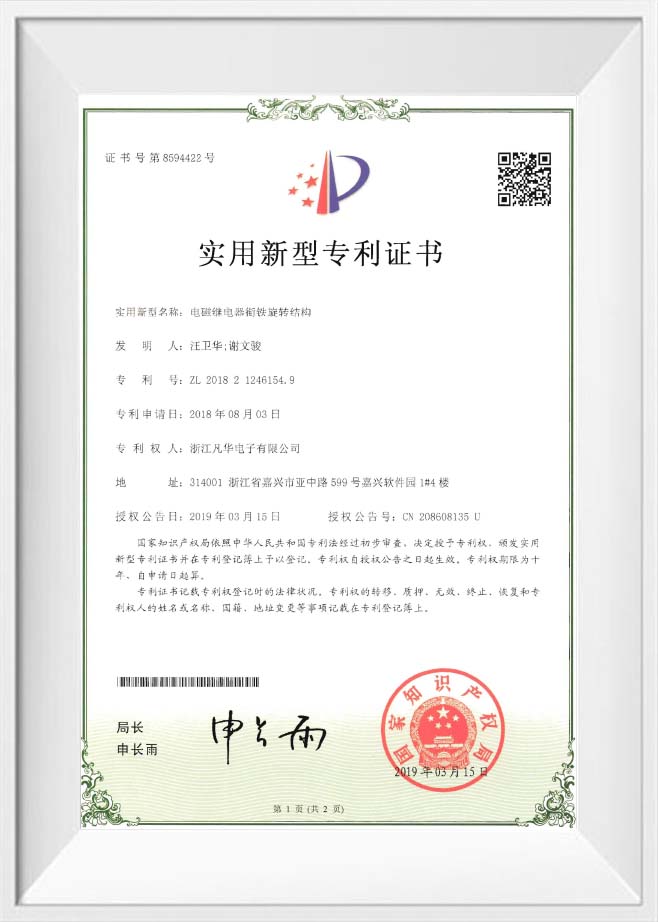
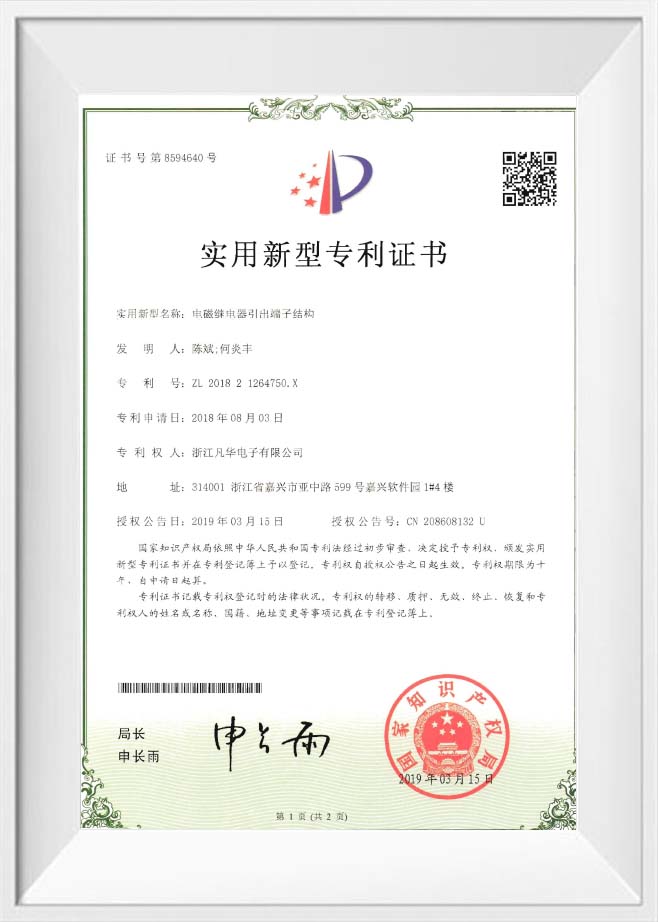
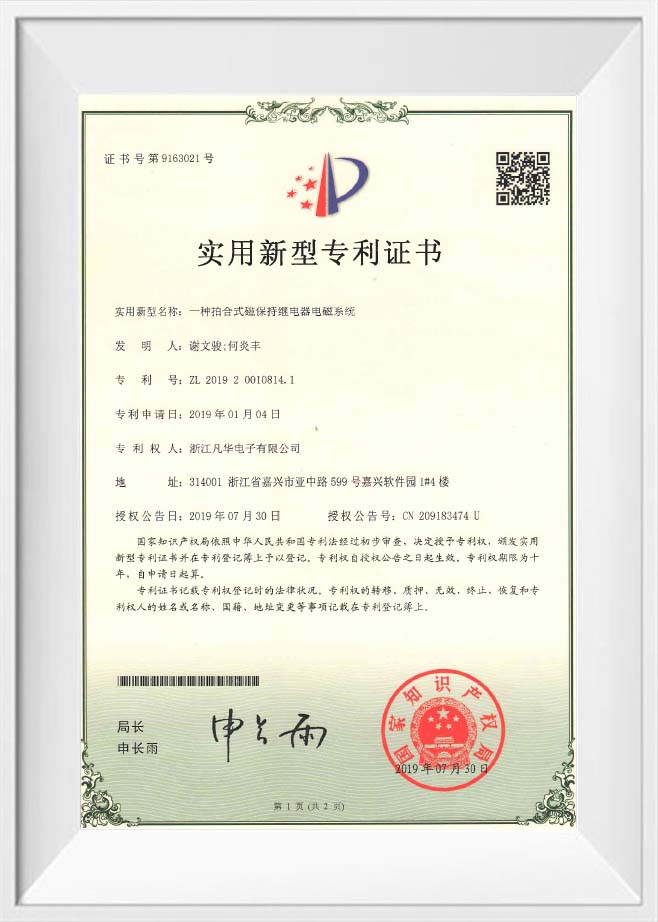
With a strong emphasis on technological innovation, we have been recognized as a National High-Tech Enterprise and Provincial R&D Center, holding more than 50 national patents. Our products have obtained international certifications, including ISO9001、ISO14001 and ISO45001, as well as authoritative UL、TUV and CQC certifications, fully complying with EU ROHS/REACH directives.
Maintaining a 98% delivery satisfaction rate, our products serve global industry leaders such as Huawei, Bull, and Eaton in smart home, industrial control, new energy, and power meter applications. Looking ahead, Fanhar Electronics will continue expanding production capacity and deepening our presence in the new energy market, striving to become a provider in the relay industry. We offer Static Protection Relays for sale.
Certificate Of Honor
News
-
-
The most common mistake in current shunt resistor selection is treating the continuous current rating as the main specification. A shunt that can pass 100 A can still create a 2% error if its resistance drifts under self-heating, if solder and trace resistance distort the sense voltage, or if layout noise couples into the Kelvin loop. Th...
Read More -
Relays, as classic electrically controlled switching components, are powerful because they can use small current signals to control the switching and toggling of large current loads, and implement basic logic functions. This control method, based on physical contacts, holds advantages in noise immunity, electrical isolation, and power ha...
Read More
Solid State Relay Industry Knowledge
What Are Solid State Relays and How Do They Work?
Solid State Relays (SSRs) are critical components in modern electrical control systems. Whether you’re managing a smart home, overseeing industrial automation, or designing energy-efficient systems, understanding SSRs can significantly improve the efficiency and reliability of your circuits.
What is a Solid State Relay?
A Solid State Relay (SSR) is an electronic switching device that uses semiconductor components to perform the functions of an electrical relay. Unlike traditional electromechanical relays, which rely on moving parts to open and close contacts, SSRs use semiconductor materials like silicon to switch power. This allows SSRs to perform faster, last longer, and operate more reliably under various conditions.
In a typical relay, when a current flows through the coil, it creates a magnetic field that attracts a switch to make or break a connection. However, SSRs eliminate the need for moving parts, opting instead for opto-isolators, thyristors, triacs, or other semiconductors to accomplish this task.
Working Principle of Solid State Relays
The functioning of SSRs revolves around the controlled manipulation of electrical signals by semiconductors. Below is a breakdown of the key components involved in the operation:
-
Input Side: The input side of an SSR is typically controlled by a low voltage signal (e.g., 3-32V DC), which is used to trigger the relay. This input current activates an opto-coupler or light-emitting diode (LED), which then sends an electrical signal to the output side of the relay.
-
Opto-Isolator: The opto-isolator isolates the input control circuit from the high-voltage side, ensuring that no electrical noise or surge affects the sensitive control circuitry. It transmits the signal via light, which activates the semiconductor components on the output side.
-
Output Side: Once the signal passes through the opto-isolator, it reaches a semiconductor switch, such as a triac or thyristor. These components are responsible for turning on or off the high voltage circuit, thus providing the necessary control for the connected load.
-
Load Control: The relay switches the load on or off, depending on the state of the semiconductor components. SSRs can control AC or DC loads, depending on the type of semiconductor used.
Types of Solid State Relays
There are various types of SSRs, each designed to serve specific applications. The primary distinctions come from the type of load they control (AC or DC) and the components used in their construction.
| Type of SSR | Application | Components Used |
|---|---|---|
| AC Solid State Relays | Ideal for AC load switching in automation, HVAC, and lighting control | Triacs, Thyristors, SCRs |
| DC Solid State Relays | Used in low voltage circuits like automotive and battery-powered systems | MOSFETs, IGBTs |
| Zero-Crossing SSR | Used in circuits with high voltage AC to reduce inrush current | Triac, Opto-Isolator |
| Phase-Control SSR | Employed in precision control of heating elements and motors | Triac, SCR, Opto-Isolator |
Each type offers unique advantages in different environments. For instance, Zero-Crossing SSRs reduce the electrical noise during switching, making them ideal for sensitive applications.
Advantages of Solid State Relays Over Electromechanical Relays
-
No Moving Parts: One of the biggest advantages of SSRs is the absence of moving mechanical components. This design improves reliability, as there is less wear and tear over time.
-
Faster Switching: SSRs can switch on and off much faster than traditional mechanical relays, allowing for higher-frequency control in many applications.
-
Durability: Without the physical wear that mechanical relays experience, SSRs can endure millions of cycles of operation without failure.
-
Lower Power Consumption: Since SSRs operate without physical contacts, they typically consume less power than their mechanical counterparts, making them more energy-efficient.
-
Compact and Lightweight: SSRs are usually smaller and lighter than traditional relays, which makes them ideal for applications where space and weight are critical factors.
-
Silent Operation: Unlike mechanical relays that produce audible clicking sounds when switching, SSRs operate silently, contributing to a quieter environment.
-
High-Voltage Tolerance: Many SSRs are designed to handle high-voltage loads, making them suitable for industrial and power systems.
Applications of Solid State Relays
The versatility of SSRs allows them to be used in a wide range of applications, both in consumer products and industrial systems:
- Smart Homes: SSRs are commonly used to control lighting systems, heating, and air conditioning units within smart homes. Their ability to provide precise control with minimal power consumption makes them ideal for energy-efficient systems.
- Photovoltaic New Energy: In solar energy systems, SSRs control the power flow from solar panels to storage systems or the grid. Their reliability in high-voltage applications is essential in solar inverter technology.
- Charging Piles: SSRs are used in electric vehicle charging stations to control power transfer from the grid to the vehicle, ensuring smooth operation.
- Industrial Automation: In industrial settings, SSRs are used to control motors, heating elements, and other equipment. Their ability to handle high loads and rapid switching makes them indispensable in factory automation systems.
- Smart Meters: SSRs are employed in smart metering systems to regulate power distribution and ensure accurate energy measurement.
Comparison of Solid State Relays with Other Relay Types
When considering relay options for a project, it’s essential to compare SSRs with their electromechanical counterparts and other forms of semiconductor relays. Below is a table that outlines the differences:
| Feature | Solid State Relay | Electromechanical Relay | Semiconductor Relay |
|---|---|---|---|
| Switching Speed | Faster | Slower | Varies by type |
| Durability | High | Moderate | High |
| Noise | Silent | Audible “Click” | Silent |
| Power Consumption | Low | Higher | Low |
| Size | Compact | Larger | Varies |
| Application | High-precision, energy-efficient, industrial | Low-to-medium voltage applications | Low-to-medium voltage, high-speed applications |
Why Choose Fanhar?
Zhejiang Fanhar Electronics Co., Ltd. is a national high-tech enterprise that specializes in the development, manufacturing, and sales of various types of relays, including Solid State Relays (SSRs). With a commitment to technological innovation, the company has established itself as a key player in the global relay market. Their products serve diverse industries, including smart home systems, photovoltaic energy, charging piles, industrial control, and more.
The company has continuously invested in research and development, ensuring that their products meet the highest standards of performance, safety, and energy efficiency. Zhejiang Fanhar Electronics has a professional team of over 500 employees and operates 30 fully automated production lines. They hold more than 40 national patents and are certified with international quality standards, including ISO9001, ISO14001, and ISO45001.
FAQ
1. What is the main difference between a Solid State Relay and an Electromechanical Relay?
The main difference is that SSRs use semiconductor components to switch circuits without moving parts, while electromechanical relays rely on mechanical movement to open or close contacts. SSRs offer faster switching speeds, higher durability, and silent operation.
2. Can Solid State Relays handle both AC and DC loads?
Yes, SSRs can be designed to handle both AC and DC loads. The components used, such as triacs, SCRs, or MOSFETs, determine whether the SSR is suitable for AC or DC applications.
3. How long do Solid State Relays typically last?
Because SSRs have no mechanical parts, they typically have a much longer lifespan than electromechanical relays, often lasting millions of switching cycles without failure.
4. Are Solid State Relays suitable for high-voltage applications?
Yes, many SSRs are designed for high-voltage applications, making them ideal for use in industrial control systems, smart grids, and photovoltaic energy systems.
5. How do Solid State Relays help in energy-efficient applications?
SSRs are energy-efficient because they use less power to operate compared to electromechanical relays, and their precise switching reduces energy waste in systems like smart homes and industrial automation.

- Tel +86-573-82237888
- Email [email protected]
- Address No. 828, Xinchang Road, Nanhu District, Jiaxing, Zhejiang, China
Products
