
 EN
EN
 English
 Español
 русский
 简体中文
简体中文

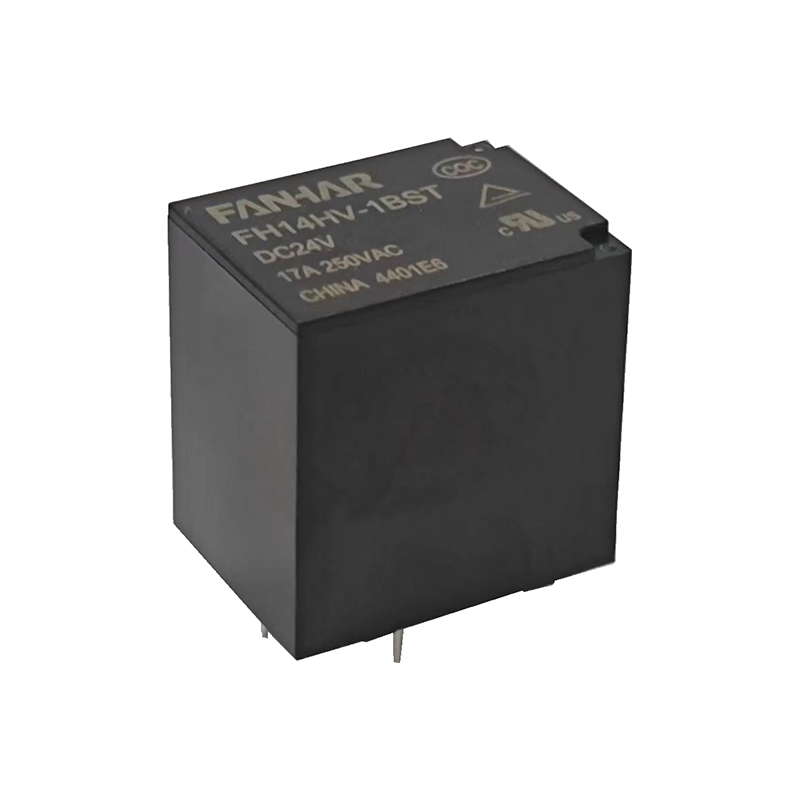
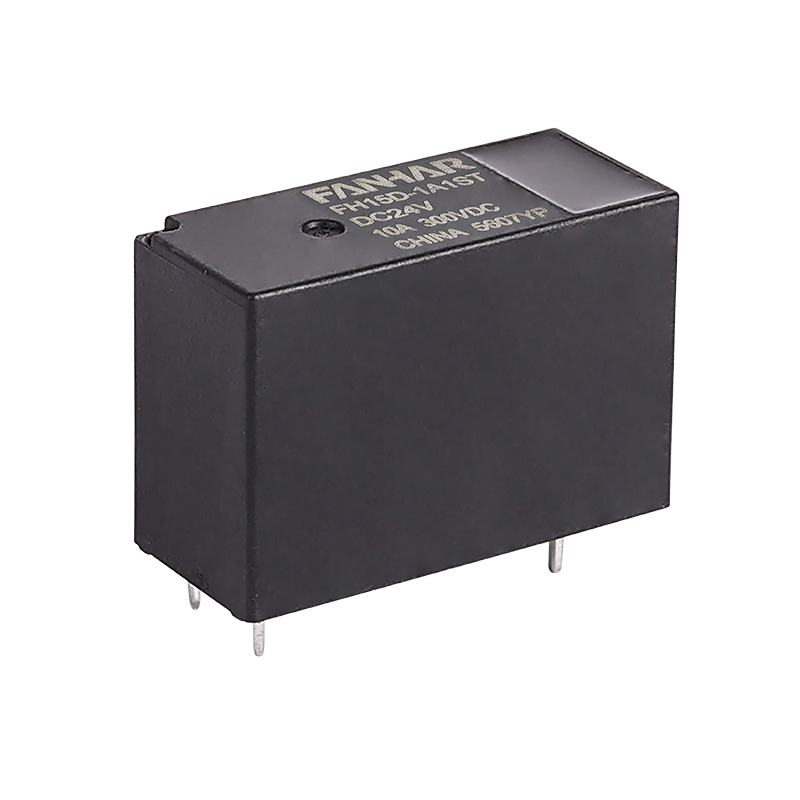
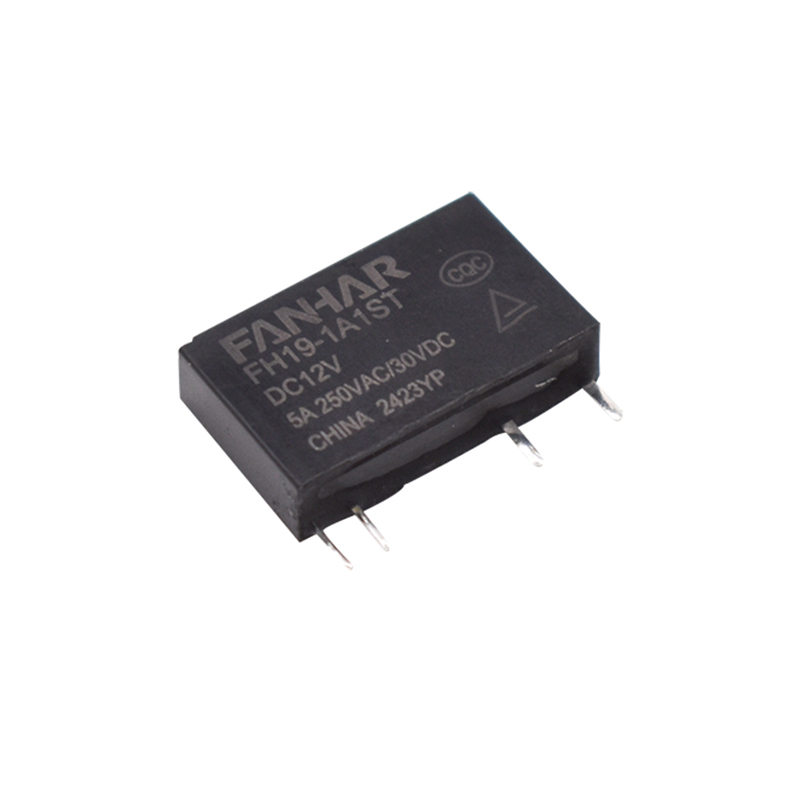
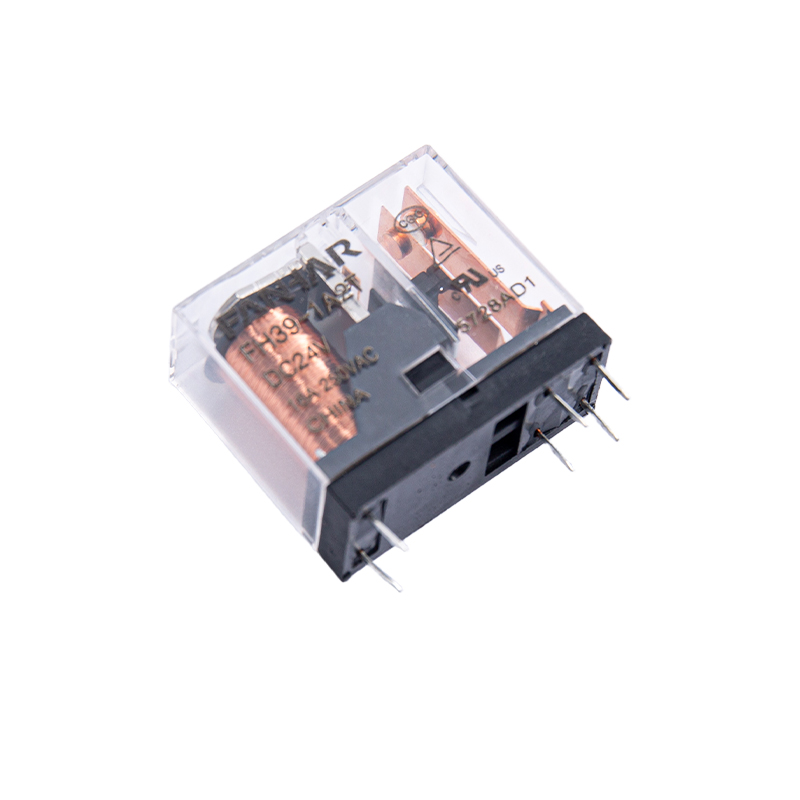
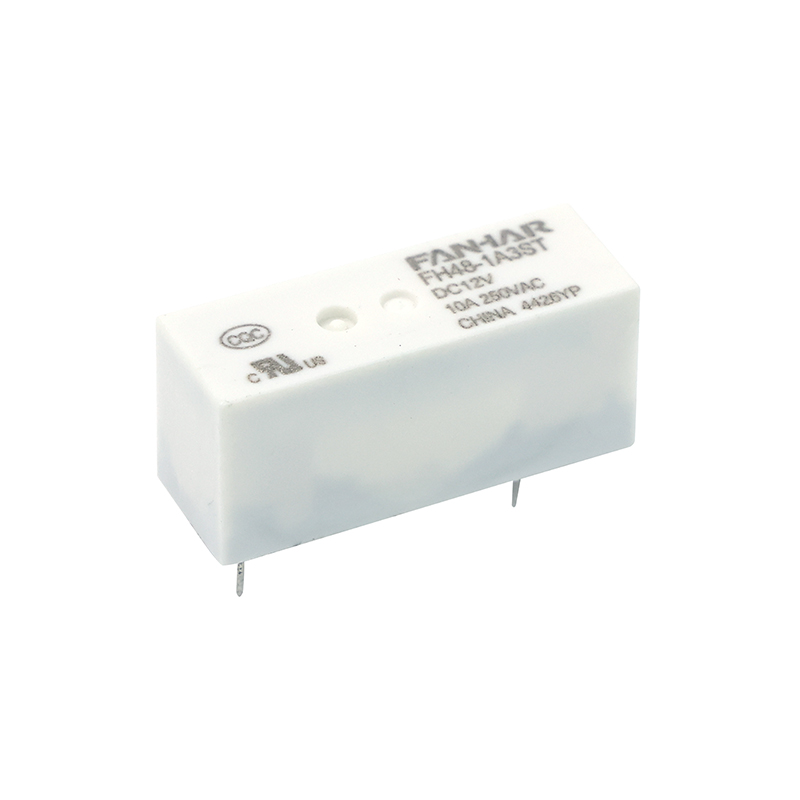
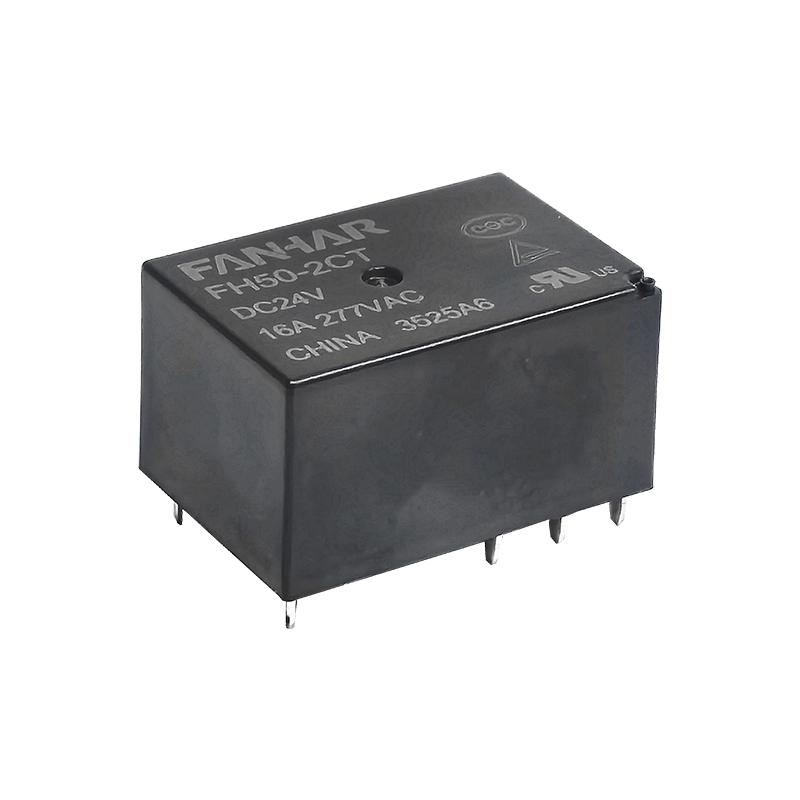
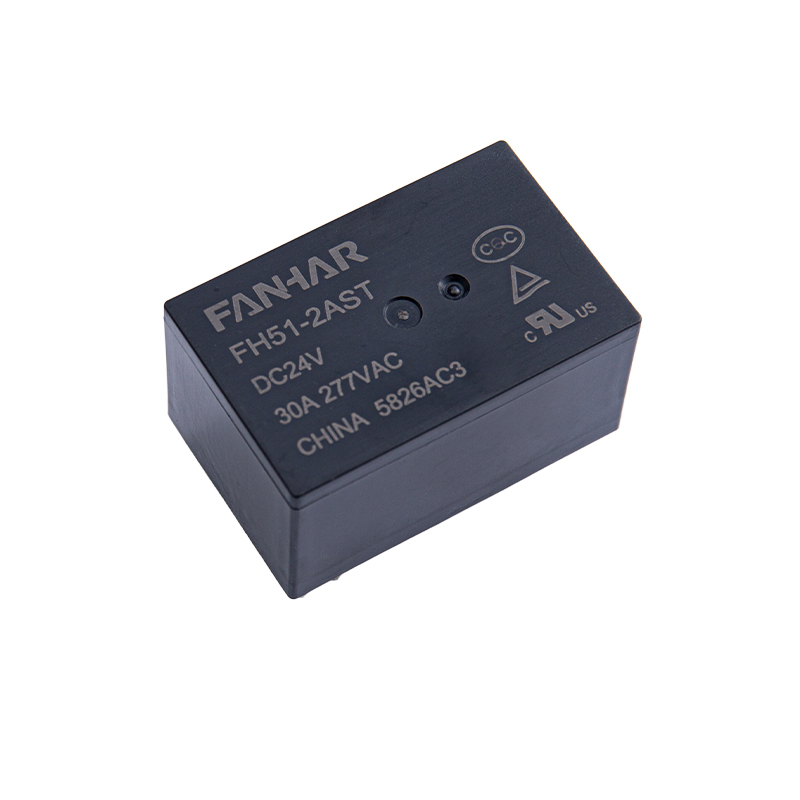
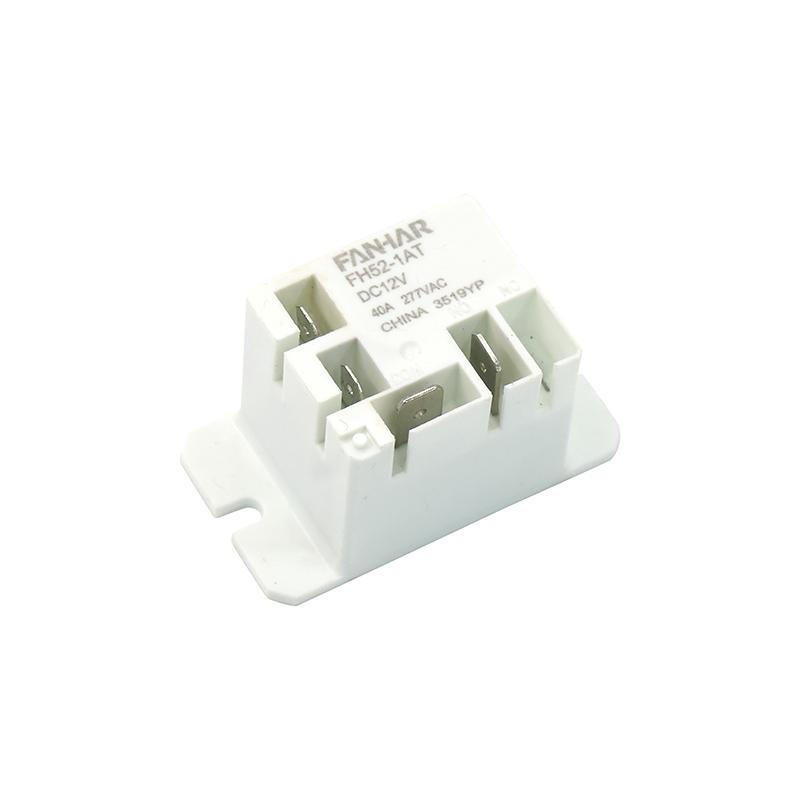
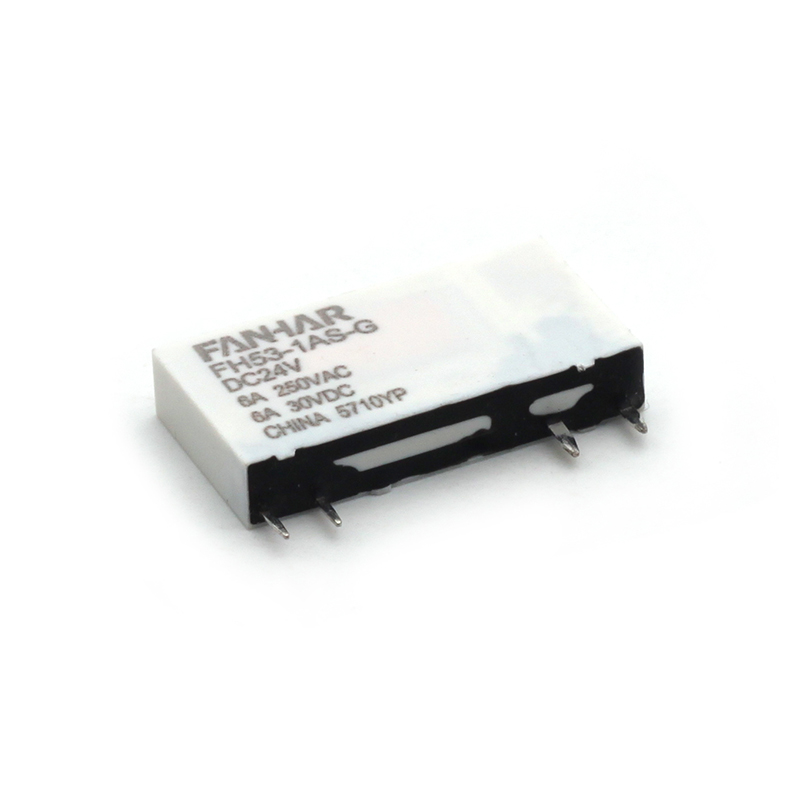
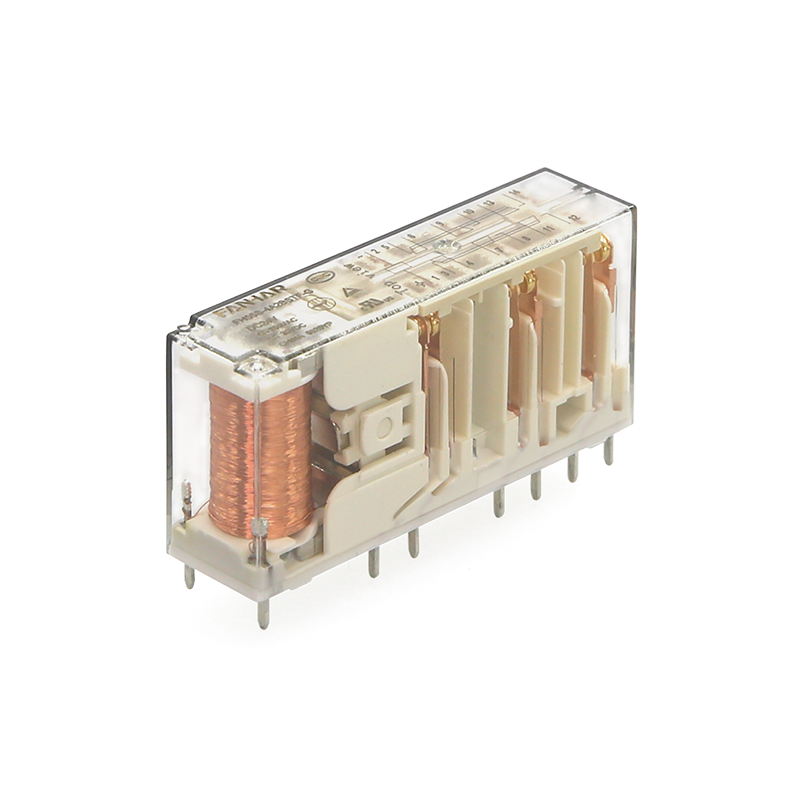
At a time when new energy power generation, energy storage systems, and electric vehicle charging piles are rapidly becoming widespread, new energy relays, as key switching components in circuits, directly affect the stable operation of complete equipment through their current-carrying capability, safety isolation level, and long-term r...
Read More
x
Custom Industrial Control Relays Manufacturers
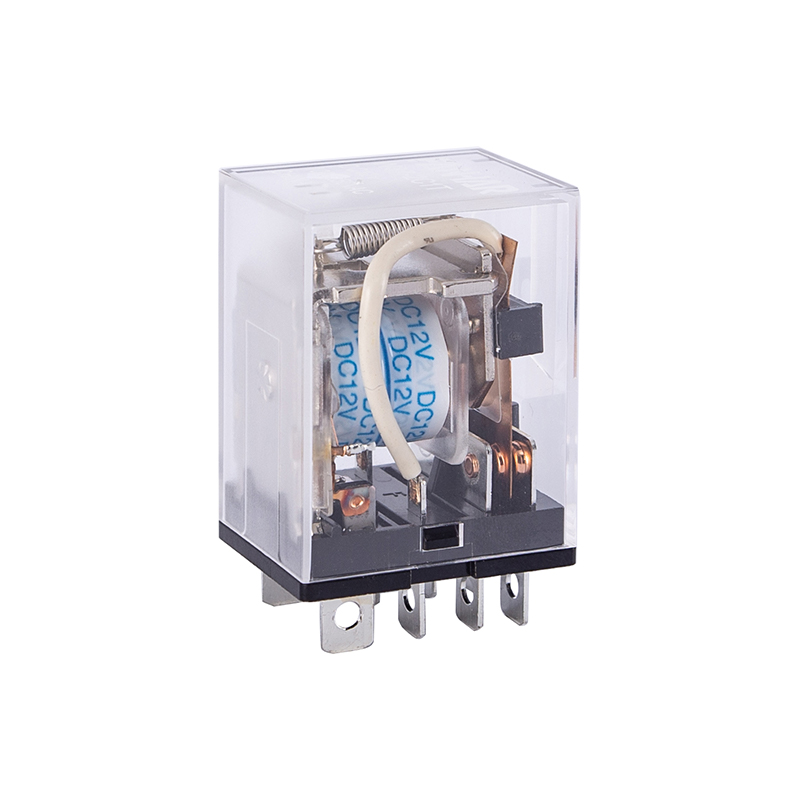
Industrial relays are an electrical control device widely used in industrial automation and control systems. Their main function is to control large currents through small currents to achieve switching operations on circuits. Industrial relays are usually composed of coils, contacts, and housings. When the coil is energized, a magnetic field is generated to attract the contacts, thereby connecting or disconnecting the circuit. This mechanical switch characteristic enables relays to complete a variety of electrical control tasks such as switching, timing, and overload protection. In industrial automation systems, relays are not only used for basic switch control, but are also widely used in security systems, timing control, signal transmission, and other fields. In addition, relays can also be used in conjunction with PLCs (programmable logic controllers) to control the switching state of the relays through programming, thereby realizing complex automation control logic. As an important electrical control device, industrial relays play a key role in industrial automation and control systems with their advantages of high reliability, low power consumption, and fast response.
About Us
Zhejiang Fanhar Electronics Co., Ltd.
Zhejiang Fanhar Electronics Co., Ltd. is China Custom Industrial Control Relays Suppliers and Heavy-Duty Industrial Relays Manufacturers, a national high-tech enterprise specializing in R&D, manufacturing, and sales of relays. Our products are widely applied in smart home systems, photovoltaic new energy, charging piles, smart meters, industrial control, and other fields.
Currently, we have a professional team of nearly 600 employees and operate 35 fully automated production lines, with 40% of our products exported to over 20 countries worldwide. To better serve our customers and meet market demands, we continuously improve our products and manufacturing technologies, investing 6%-8% of annual sales revenue in R&D and innovation.
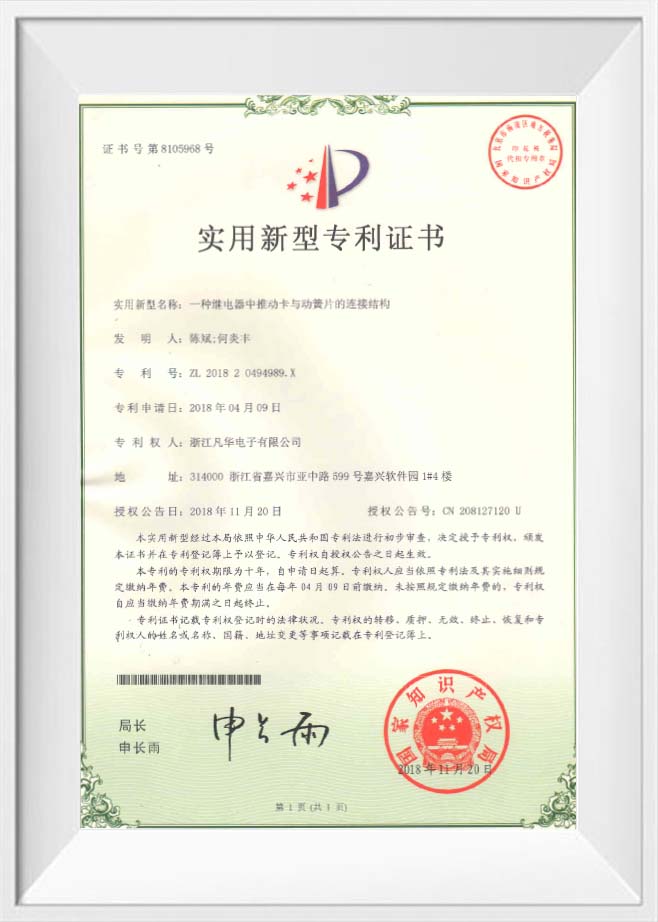
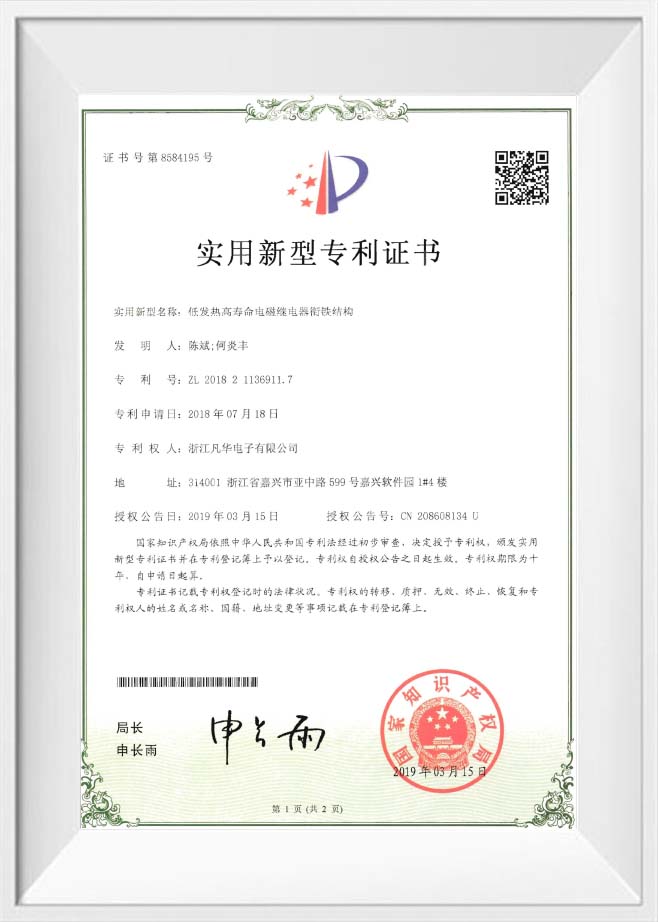
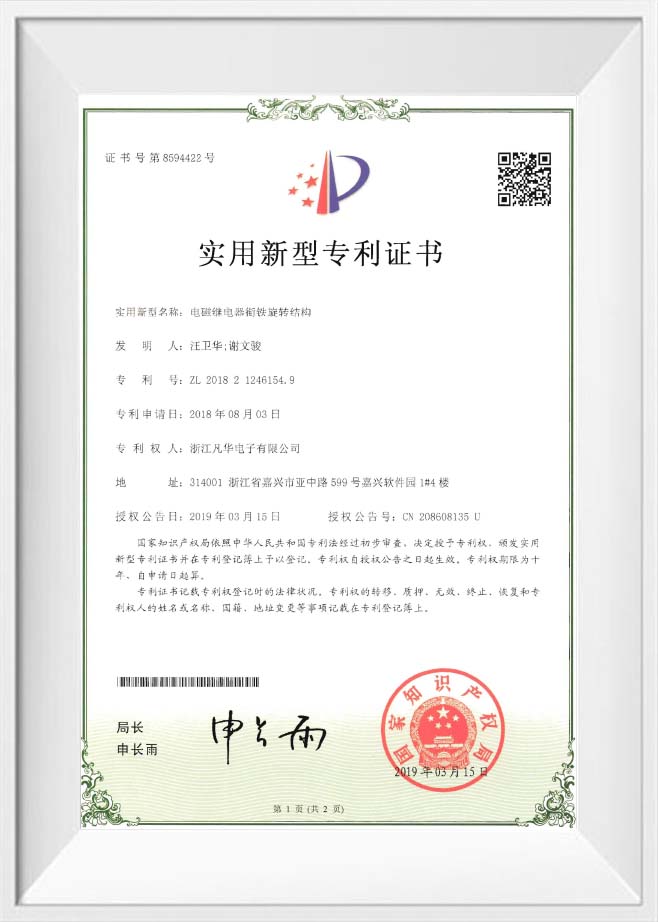
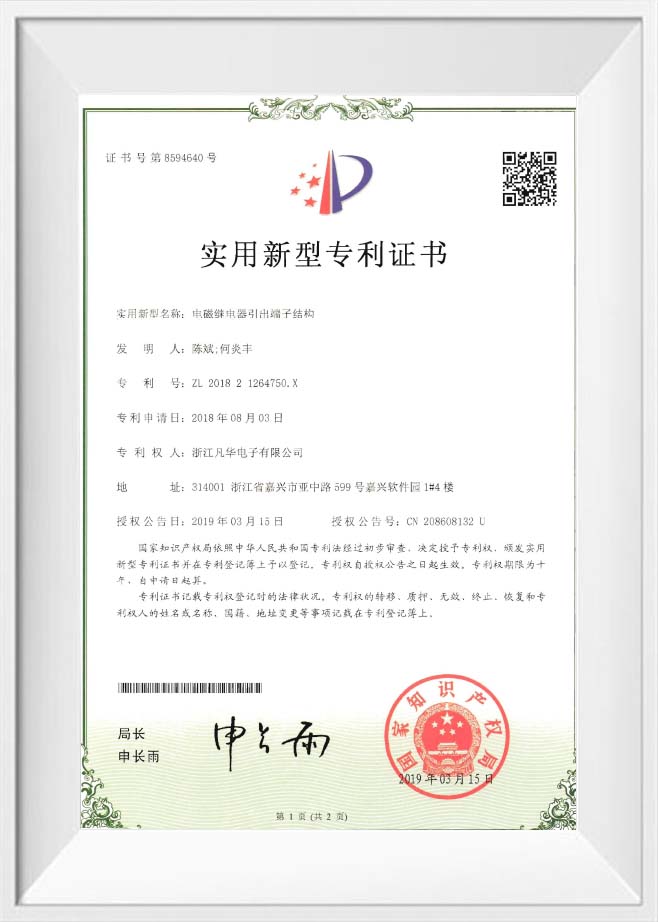
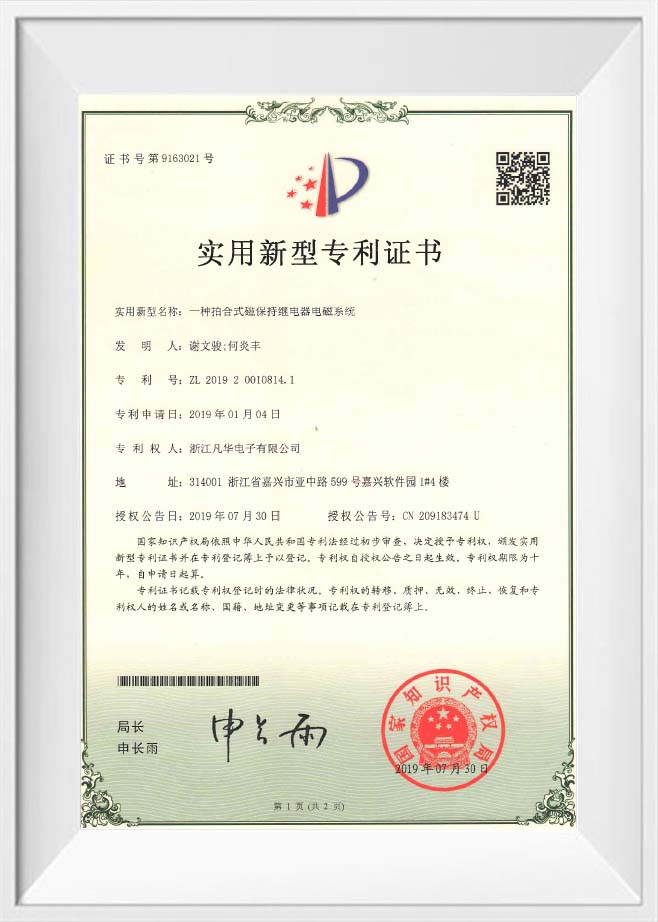
With a strong emphasis on technological innovation, we have been recognized as a National High-Tech Enterprise and Provincial R&D Center, holding more than 50 national patents. Our products have obtained international certifications, including ISO9001、ISO14001 and ISO45001, as well as authoritative UL、TUV and CQC certifications, fully complying with EU ROHS/REACH directives.
Maintaining a 98% delivery satisfaction rate, our products serve global industry leaders such as Huawei, Bull, and Eaton in smart home, industrial control, new energy, and power meter applications. Looking ahead, Fanhar Electronics will continue expanding production capacity and deepening our presence in the new energy market, striving to become a provider in the relay industry. We offer Industrial Control Relays for sale.
Certificate Of Honor
News
-
-
The most common mistake in current shunt resistor selection is treating the continuous current rating as the main specification. A shunt that can pass 100 A can still create a 2% error if its resistance drifts under self-heating, if solder and trace resistance distort the sense voltage, or if layout noise couples into the Kelvin loop. Th...
Read More -
Relays, as classic electrically controlled switching components, are powerful because they can use small current signals to control the switching and toggling of large current loads, and implement basic logic functions. This control method, based on physical contacts, holds advantages in noise immunity, electrical isolation, and power ha...
Read More
Industrial Relay Industry Knowledge
How Industrial Relay Contact Ratings Affect System Reliability
One of the most overlooked factors when selecting Industrial Control Relays is the contact rating — specifically the difference between resistive load (AC1/DC1) and inductive load (AC3/DC13) ratings. Inductive loads such as motors and solenoids generate back-EMF during switching, which can be several times higher than the nominal operating voltage. This causes accelerated arc erosion on contact surfaces, leading to premature failure if a relay is sized only to its resistive rating.
As a rule of thumb, engineers apply a derating factor of 20–30% when switching inductive loads — meaning a relay rated at 10A resistive should be selected at 7–8A for motor or solenoid circuits. Fanhar Electronics designs its industrial relay contact systems with silver alloy materials and optimized gap geometry specifically to handle the arc energy typical of inductive industrial loads, extending service life under real operating conditions.
Beyond load type, ambient temperature also dereates contact capacity. Most relay datasheets specify ratings at 20°C–40°C; in enclosures where temperatures reach 60°C or above, continuous current capacity can drop by 10–15%. Always verify derating curves in the datasheet before finalizing your BOM for panel assemblies.
Coil Drive Techniques for Reliable Relay Operation in Noisy Environments
In industrial control cabinets, power supply rails are rarely as clean as bench test conditions. Voltage fluctuations, ground loops, and high-frequency switching noise from variable frequency drives (VFDs) or servo amplifiers can cause false triggering or coil drop-out in relays with narrow pull-in/drop-out voltage windows.
Practical mitigation strategies include:
- Using relays with a wide pull-in range (e.g., 70–110% of nominal coil voltage) to tolerate supply variation without nuisance dropout.
- Adding a freewheeling diode across the coil terminals to suppress inductive kickback, protecting the driving transistor or PLC output module.
- Physically separating relay wiring from VFD output cables, or using shielded conduit where separation is not possible.
- Selecting DC coil relays over AC coil types in digitally controlled systems, as DC coils are easier to drive cleanly from microcontroller or PLC solid-state outputs.
For applications where coil power consumption matters — such as large relay arrays in smart meters or building automation controllers — low-power latching coil designs can reduce panel heat load significantly compared to continuously energized standard coils.
Understanding Relay Certifications: What UL, TÜV, and CQC Mean for Global Procurement
International certification marks on Heavy-Duty Industrial Relays are not interchangeable — each reflects different test standards, markets, and product scope. Understanding what each mark covers helps procurement engineers avoid costly compliance surprises during product registration.
| Certification | Issuing Body | Primary Market | Key Standard |
|---|---|---|---|
| UL | Underwriters Laboratories | North America | UL 508 / UL 61810 |
| TÜV | TÜV Rheinland / SÜD | Europe / Global | IEC 61810 / EN 50205 |
| CQC | China Quality Certification Centre | China | GB/T 21711 |
For OEMs selling into multiple regions simultaneously, sourcing from a manufacturer that holds all three marks on the same product eliminates the need for parallel qualification of different relay types, reducing both inventory complexity and engineering validation effort. Our relays carry UL, TÜV, and CQC certifications as standard, and all products comply with EU RoHS/REACH directives — a requirement increasingly enforced at EU customs even for B2B industrial components.
Relay Selection Pitfalls in Photovoltaic and EV Charging Applications
New energy applications impose switching demands that differ substantially from conventional industrial control. In photovoltaic inverters, relays must handle high DC voltage switching — often 600–1000 VDC — where arc extinguishing is far more challenging than in AC circuits due to the absence of a natural current zero crossing.
Standard AC-rated relays are frequently misapplied in DC circuits, resulting in sustained arcing, contact welding, and potential fire hazards. Relays intended for high-voltage DC service require specially designed contact gap distances, arc chutes, and often magnetic arc blowout mechanisms. Always confirm that the relay datasheet explicitly states a DC switching rating at the operating voltage — an AC-only rating provides no guarantee of safe DC interruption.
For EV charging pile designs, a further consideration is the frequent switching cycle requirement. A level-2 commercial charger may initiate hundreds of connect/disconnect cycles per day across multiple stations. Mechanical endurance ratings of 100,000 operations or above — combined with electrical endurance ratings at rated load — should be baseline requirements, not premium specifications. Zhejiang Fanhar Electronics has been expanding its product portfolio specifically for new energy applications, with relay designs validated for the high-cycle, high-DC-voltage demands common in both photovoltaic and EV charging infrastructure.

- Tel +86-573-82237888
- Email [email protected]
- Address No. 828, Xinchang Road, Nanhu District, Jiaxing, Zhejiang, China
Products
