
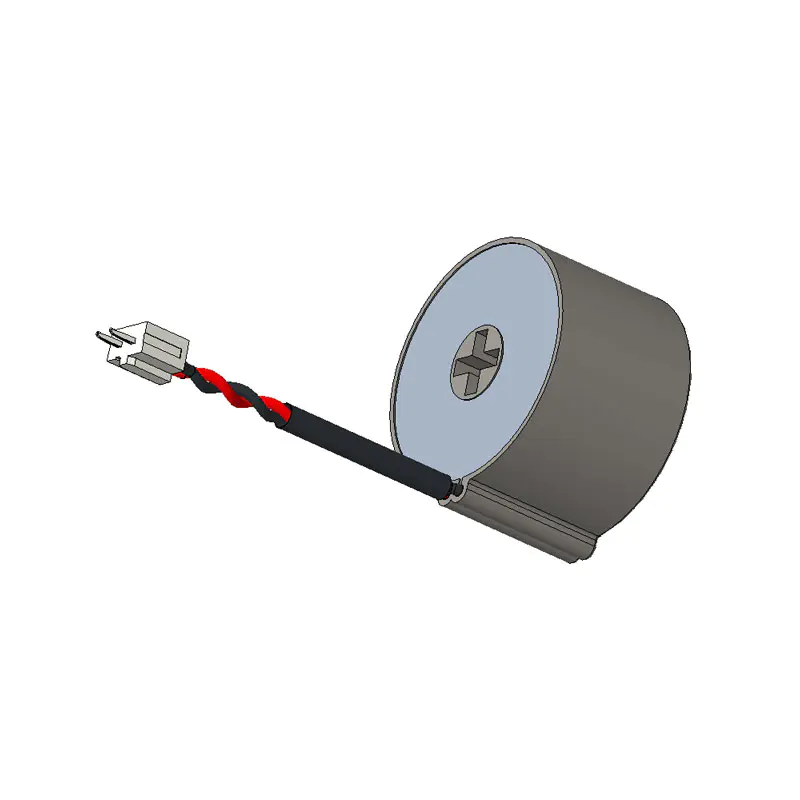
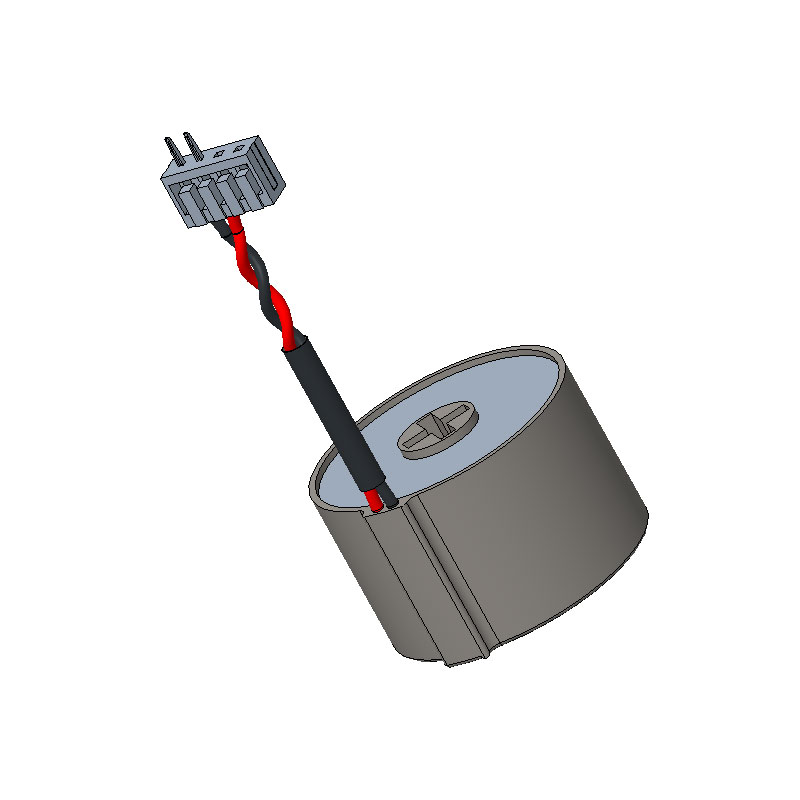
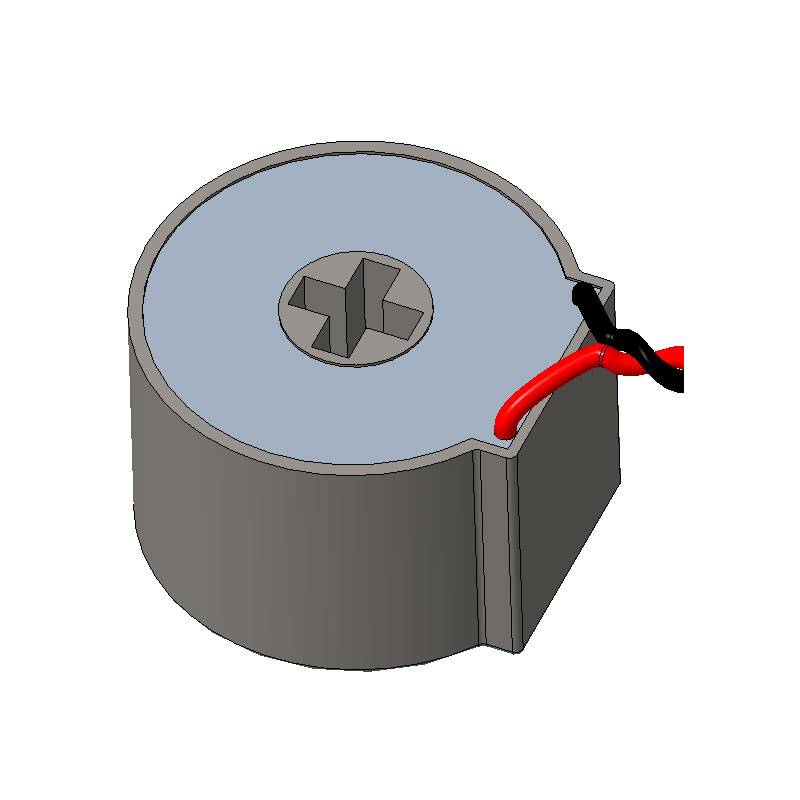
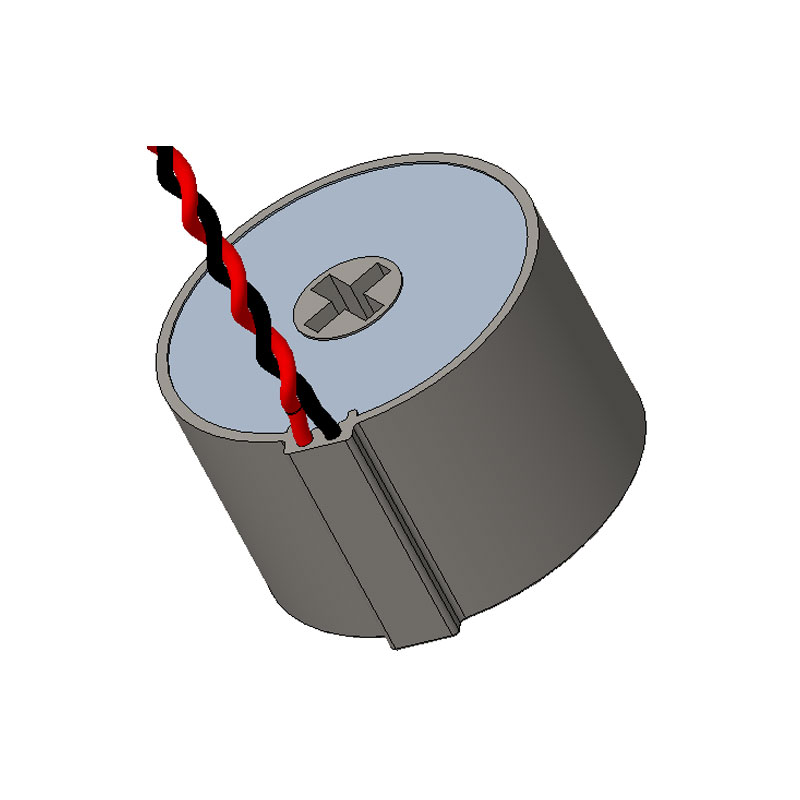
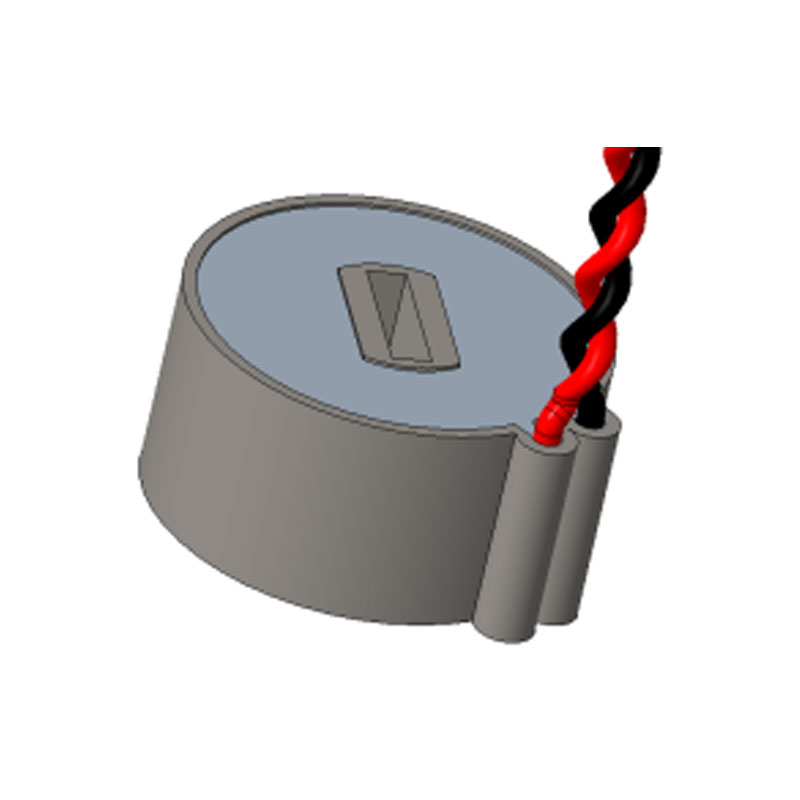
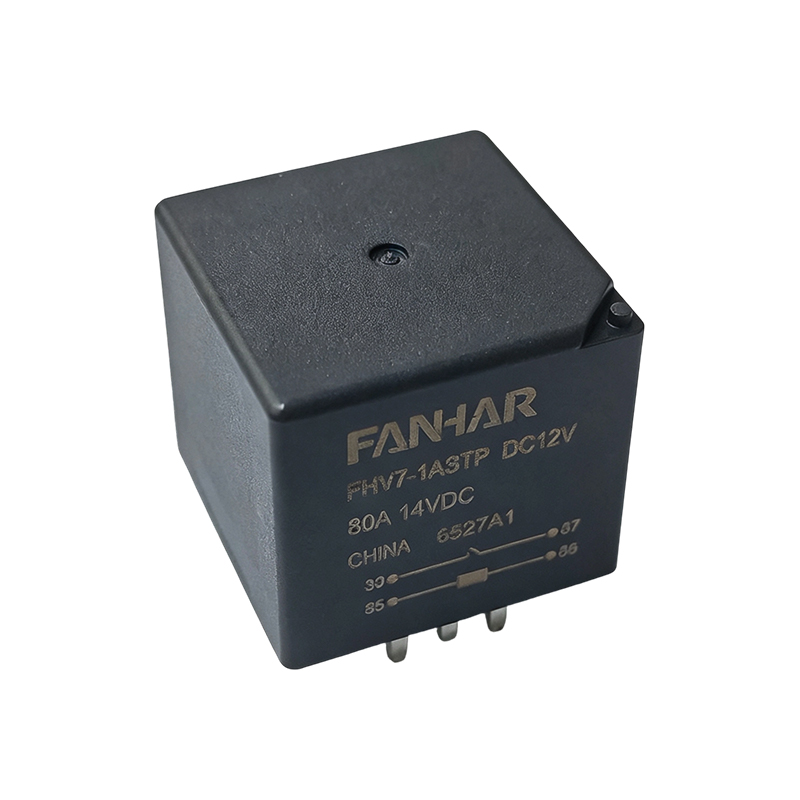
Low-loss shunt resistors are precision current-sensing components designed to measure electrical current by generating a small, accurately proportional voltage drop across a known resistance value. Engineered with minimal power dissipation and tight resistance tolerances, these resistors are widely used in circuits where measurement accuracy and thermal efficiency must be maintained simultaneously, particularly in systems where every fraction of a watt affects overall efficiency.
Their core function is to provide a stable, low-resistance path for current flow while enabling external circuitry, such as amplifiers or microcontrollers, to interpret the voltage signal for monitoring, protection, or control purposes. Because of their low resistance values, these components are especially suited to applications where conventional shunt resistors would introduce excessive power loss or thermal drift, making them a practical choice for high-current or energy-sensitive designs.
Key Features of Low-Loss Shunt Resistors
Low Resistance Values
Designed with minimal ohmic resistance to reduce voltage drop and power dissipation during current measurement.
Tight Tolerance Range
Manufactured to maintain consistent resistance values, supporting repeatable and reliable current readings.
Low Temperature Coefficient
Resistance values remain relatively stable across a range of operating temperatures, reducing measurement drift.
Fast Thermal Response
Compact construction supports efficient heat dissipation, helping maintain stable readings under sustained load.
Design and Construction Highlights
Low-loss shunt resistors are typically constructed using metal alloy elements chosen for their stable resistivity characteristics and resistance to oxidation. The physical layout, including terminal placement and body geometry, is generally optimized to minimize parasitic inductance, which helps preserve measurement accuracy in circuits operating at higher switching frequencies.
- Four-terminal (Kelvin) connection layouts are common, separating current-carrying paths from voltage-sensing paths to reduce measurement error.
- Surface-mount and through-hole variants are available to suit different board layouts and thermal management strategies.
- Package designs often prioritize a low profile to support space-constrained circuit boards.
Installation and Maintenance Guidance
Proper installation practices directly influence the long-term accuracy and reliability of current-sensing circuits built around shunt resistors.
- Ensure solder joints are clean and consistent, as poor connections can introduce additional resistance and measurement error.
- Route sense traces symmetrically and away from high-current paths to reduce electromagnetic interference.
- Allow adequate spacing around the component for heat dissipation, especially in high-current designs.
- Periodically inspect for signs of thermal stress, discoloration, or mechanical fatigue in high-duty-cycle applications.
- Verify calibration of associated measurement circuitry after any component replacement.
Performance Considerations in Current Sensing Applications
In practical use, the performance of a low-loss shunt resistor is influenced by factors such as ambient temperature, current waveform characteristics, and the quality of the surrounding circuit layout. Designers typically evaluate resistance stability, power handling margin, and response consistency when selecting a shunt resistor for a specific application.
Because these components are placed directly in the current path, their electrical and thermal behavior can affect overall system efficiency. Selecting a resistor with an appropriate power rating relative to the expected current load helps maintain long-term stability and reduces the risk of performance degradation over time.
Application Compatibility Across Industries
Low-loss shunt resistors are used across a range of electronic systems where current monitoring is required without introducing significant energy loss.
Low-Loss Shunt Resistors Compared with Standard Shunt Resistors
| Comparison Aspect | Low-Loss Shunt Resistors | Standard Shunt Resistors |
|---|---|---|
| Power Dissipation | Reduced due to lower resistance values | Comparatively higher under similar current loads |
| Suitability for High-Current Circuits | Generally well suited | May require additional thermal management |
| Measurement Sensitivity | Requires precise amplification due to smaller voltage signal | Larger voltage signal may simplify signal processing |
| Thermal Stability | Typically optimized for consistent performance | Varies depending on construction and material |
Key Considerations for Procurement Teams
Quality Verification
Requesting test reports and consistency data across production batches helps confirm reliability before large-scale procurement.
Documentation and Traceability
Clear labeling, batch traceability, and technical datasheets support easier integration and quality control processes.
Packaging and Handling
Packaging methods, such as reel or tray formats, should align with assembly line requirements to reduce handling errors.
Lead Time and Supply Stability
Confirming production capacity and delivery timelines in advance helps avoid disruptions in downstream manufacturing schedules.
Frequently Asked Questions
Q1: What makes a shunt resistor "low-loss" compared to standard types?
A low-loss shunt resistor is designed with a lower resistance value to minimize the power dissipated as heat while still generating a measurable voltage signal proportional to current flow.
Q2: Why is the four-terminal connection layout used in many shunt resistors?
The four-terminal, or Kelvin, layout separates the current path from the voltage-sensing path, reducing measurement errors caused by contact and lead resistance.
Q3: How does temperature affect shunt resistor performance?
Temperature changes can cause resistance values to drift slightly, which is why components with a low temperature coefficient are preferred for applications requiring stable, long-term accuracy.
Q4: Can low-loss shunt resistors be used in high-current applications?
Yes, their reduced power dissipation makes them well suited for high-current environments, provided the power rating and thermal layout are properly matched to the application.
Q5: What should be checked before integrating a shunt resistor into a new design?
Designers typically verify resistance tolerance, power rating, temperature coefficient, and physical footprint to ensure compatibility with the intended circuit and thermal conditions.
Q6: Do shunt resistors require special maintenance after installation?
Routine visual inspection and periodic calibration checks of the associated measurement circuitry are generally sufficient, particularly in systems operating under continuous high-load conditions.