
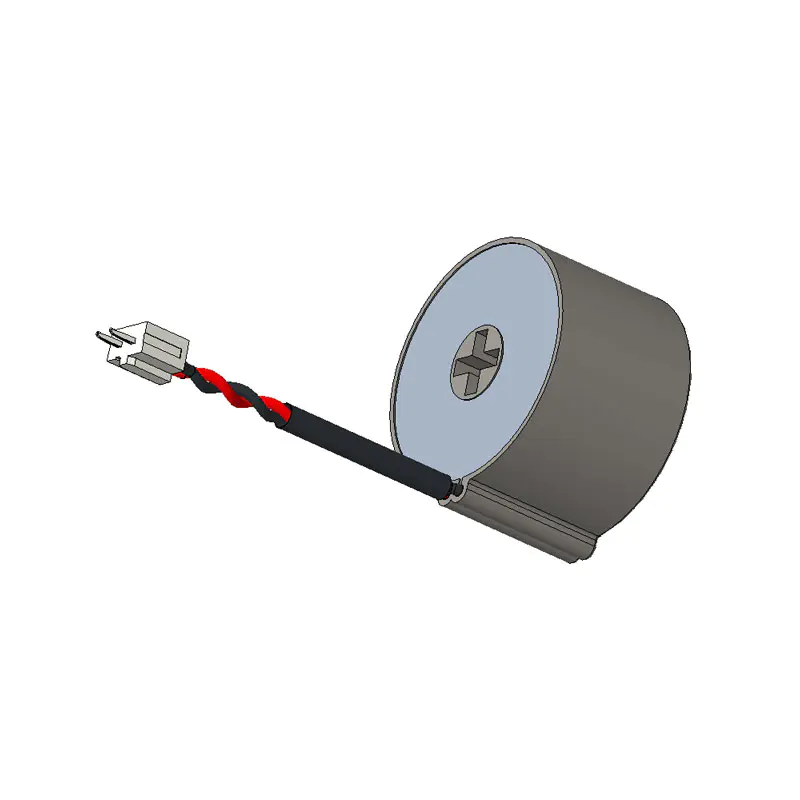
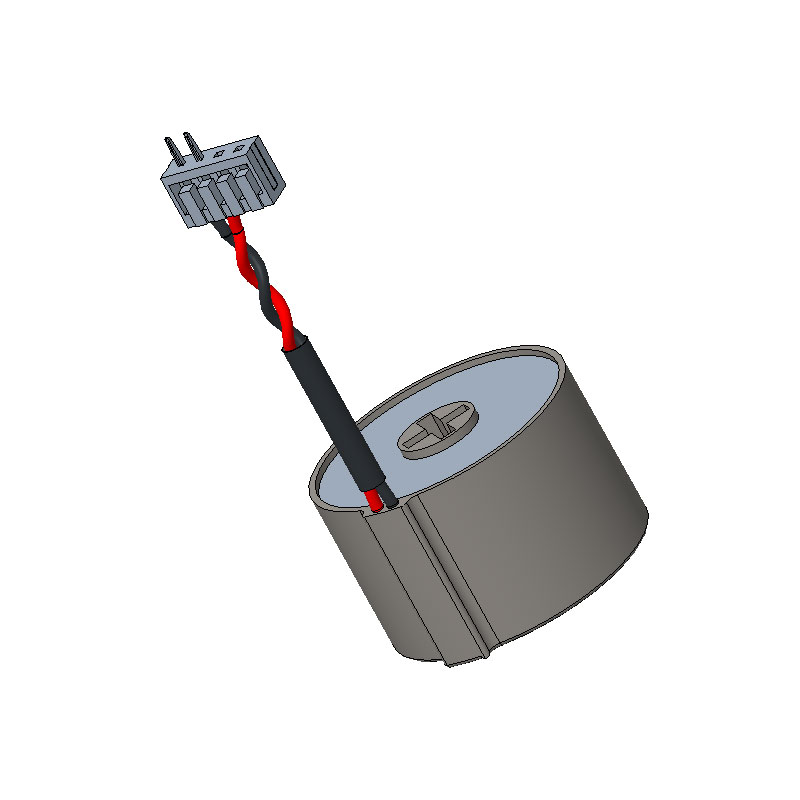
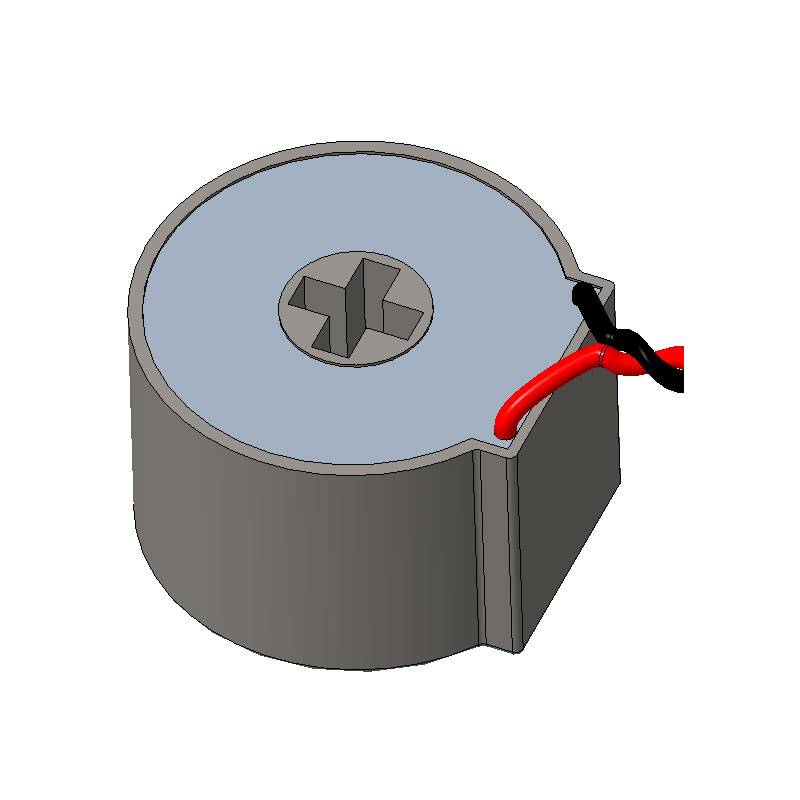
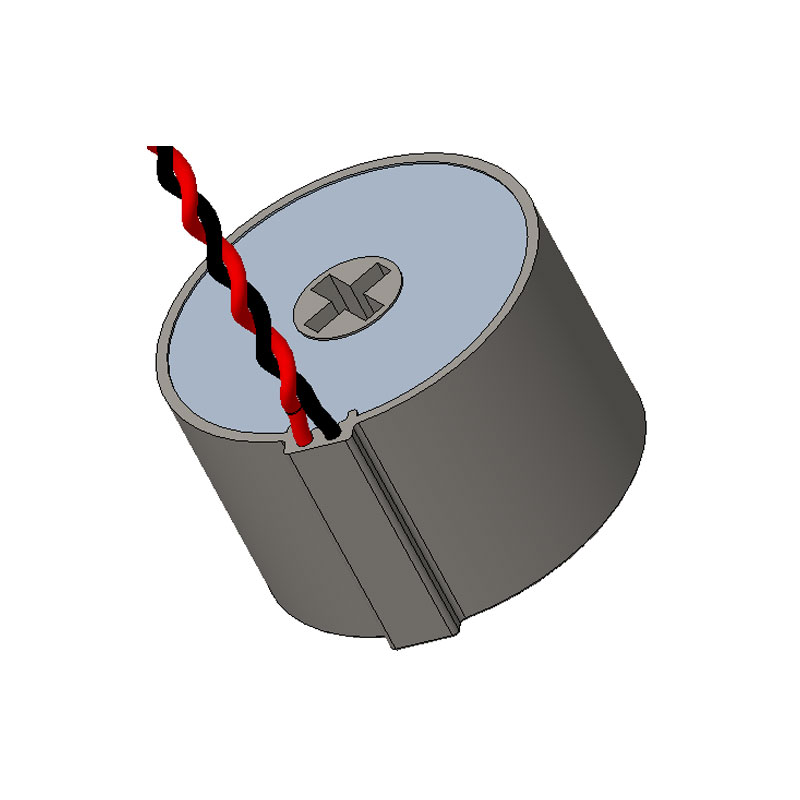
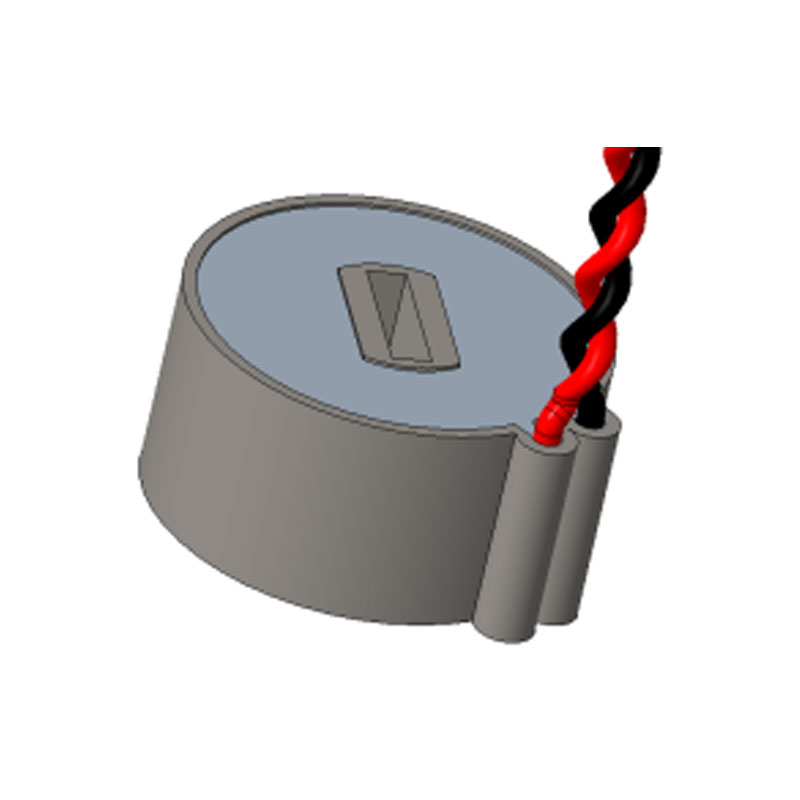
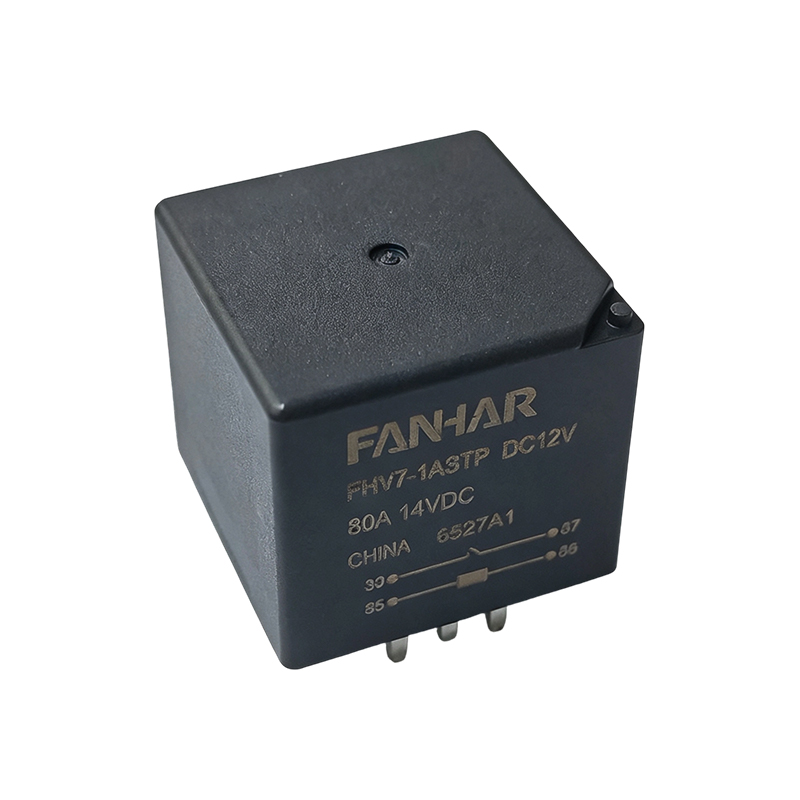
Precision current sensing refers to a category of components and modules designed to measure electrical current with high accuracy across a defined operating range. These solutions are used to convert current flow into a proportional, readable signal, typically voltage, that downstream circuitry can process for monitoring, protection, or closed-loop control. The category spans several underlying measurement technologies, including shunt-resistor based sensing, Hall-effect sensing, current transformers, and closed-loop fluxgate designs, each suited to different current ranges, isolation requirements, and bandwidth needs.
As a foundational building block in power electronics, precision current sensing supports functions such as overcurrent protection, real-time load monitoring, energy metering, and feedback control in switching power supplies and motor drives. It is applied across industrial automation, renewable energy systems, battery management, electric mobility, telecommunications power infrastructure, and general-purpose electronic equipment where accurate, stable current measurement directly affects system safety and efficiency.
Key Features of Precision Current Sensing Solutions
Low measurement error across the rated current range, supporting consistent readings for both static and dynamic loads.
Minimal drift over temperature and time, which reduces the need for frequent recalibration in continuous-duty applications.
Fast signal response suited to protection circuits that must react to transient overcurrent events without delay.
Depending on the sensing method, galvanic isolation options are available to separate control circuitry from high-current paths.
Sensing bandwidth suited to both low-frequency metering tasks and higher-frequency switching applications.
Low insertion loss designs that limit additional power dissipation introduced by the sensing element itself.
Installation and Integration Guidelines
- Position the sensing element close to the load or protection point to reduce parasitic inductance and improve response accuracy.
- Follow recommended PCB layout practices, including trace width and via placement, to maintain thermal performance under rated current.
- Observe creepage and clearance distances specified for the sensing technology when isolation between primary and secondary circuits is required.
- Route sensing output signal lines away from high-current or high-frequency switching traces to limit noise coupling.
- Verify mounting orientation and connection polarity before energizing the circuit, particularly for directional current measurement.
Performance Characteristics Across Operating Conditions
Performance in real-world use depends on how consistently a sensing device maintains linearity and low noise across its full operating envelope. Key characteristics that determine suitability for a given application include:
- Linearity across the specified current range, which affects measurement consistency at both low and high loads.
- Temperature coefficient, describing how output shifts as ambient or component temperature changes.
- Noise immunity, relevant in environments with significant electromagnetic interference from switching components.
- Overload tolerance, indicating how the device behaves under transient current spikes beyond normal operating levels.
Application Compatibility and Typical Use Cases
Industrial Automation
Motor drives, servo systems, and programmable logic controllers requiring continuous load monitoring.
Renewable Energy
Solar inverters and energy storage systems where accurate current data supports efficiency optimization.
Battery Management
State-of-charge estimation and protection circuits in battery packs for electric mobility and backup power.
Telecommunications Power
Power supply units and rectifier systems where load balancing and fault detection are required.
Consumer and General Electronics
Chargers, power adapters, and appliances requiring overcurrent protection.
Comparison of Common Current Sensing Technologies
| Technology | Isolation | Typical Bandwidth | Common Application |
|---|---|---|---|
| Shunt Resistor Based | Non-isolated | Low to Medium | Low-side current sensing, metering |
| Hall-Effect Based | Isolated | Medium | Motor drives, power supplies |
| Current Transformer Based | Isolated | Medium to High | AC power monitoring, protection relays |
| Closed-Loop Fluxgate | Isolated | High | Precision instrumentation, high-accuracy metering |
Key Considerations for Sourcing and Procurement
- Quality consistency: Confirm batch-to-batch consistency in accuracy and drift specifications, particularly for high-volume orders.
- Certification and compliance: Request relevant safety and quality certification documentation applicable to the target market.
- Customization options: Evaluate available footprint, current range, and output signal customization to match existing designs.
- Technical documentation: Ensure datasheets, application notes, and test reports are available to support design validation.
- Supply reliability: Consider lead time, minimum order quantities, and long-term availability for production planning.
Frequently Asked Questions
Q1: What is precision current sensing and why does accuracy matter?
Precision current sensing is the measurement of electrical current with a high degree of accuracy, typically converted into a proportional voltage or digital signal. Accuracy matters because downstream systems rely on this data for protection, control, and monitoring decisions; measurement errors can lead to incorrect fault detection, inefficient control loops, or reduced system safety margins.
Q2: What are the common technologies used in current sensing?
Common approaches include shunt-resistor based sensing, Hall-effect sensing, current transformers, and closed-loop fluxgate sensing. Each technology differs in isolation capability, bandwidth, and suitability for AC versus DC current measurement, so selection depends on the specific application requirements.
Q3: How should a current sensing solution be selected for a specific application?
Selection typically considers the expected current range, required isolation level, bandwidth needs, ambient temperature range, and available board space. Applications involving high-voltage circuits or safety-critical protection generally require isolated sensing technologies, while low-side, non-isolated designs may be suitable for simpler metering tasks.
Q4: What factors affect measurement accuracy over time?
Temperature variation, component aging, and electromagnetic interference from nearby switching circuits are common factors that can affect long-term measurement accuracy. Selecting components with low temperature coefficients and following recommended layout practices helps maintain stable performance.
Q5: Are current sensing devices isolated from the main circuit?
Isolation depends on the underlying technology. Shunt-resistor based sensing is generally non-isolated, while Hall-effect, current transformer, and fluxgate based solutions typically provide galvanic isolation between the primary current path and the measurement circuitry, which is important in high-voltage or safety-critical applications.
Q6: What documentation should buyers request before ordering?
Buyers are generally advised to request datasheets covering accuracy, temperature drift, and bandwidth specifications, along with applicable safety or quality certification documents and, where relevant, test or calibration reports to support design validation and regulatory compliance.