 EN
 English
 Español
 русский
 简体中文


Wholesale Current Transformer Factory
Home / Products / Electricity Meter Parts / Current Transformer / FHDCT-009 Three-phase high-precision current transformer set
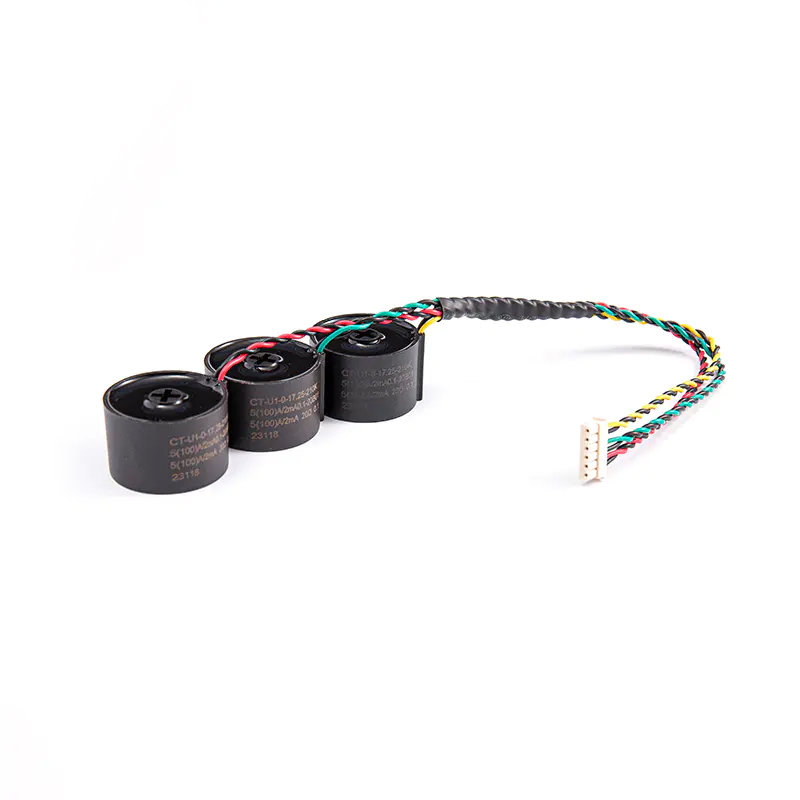
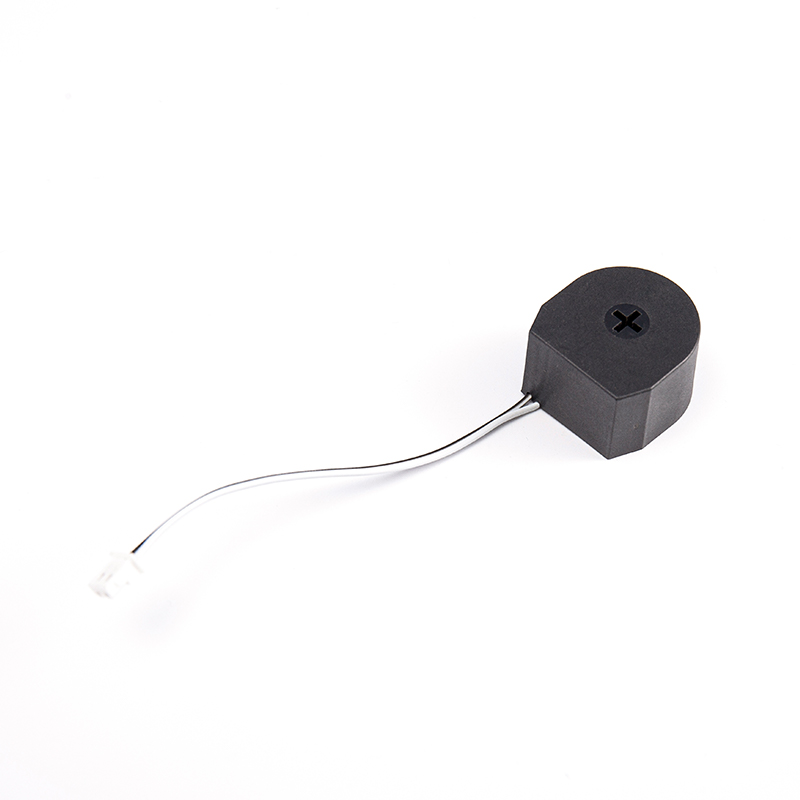
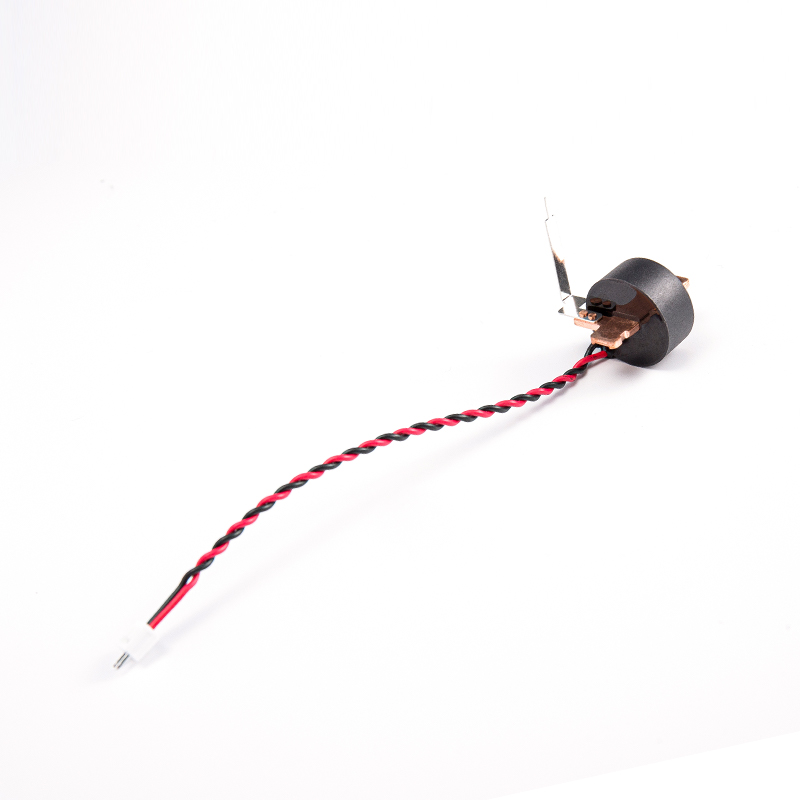
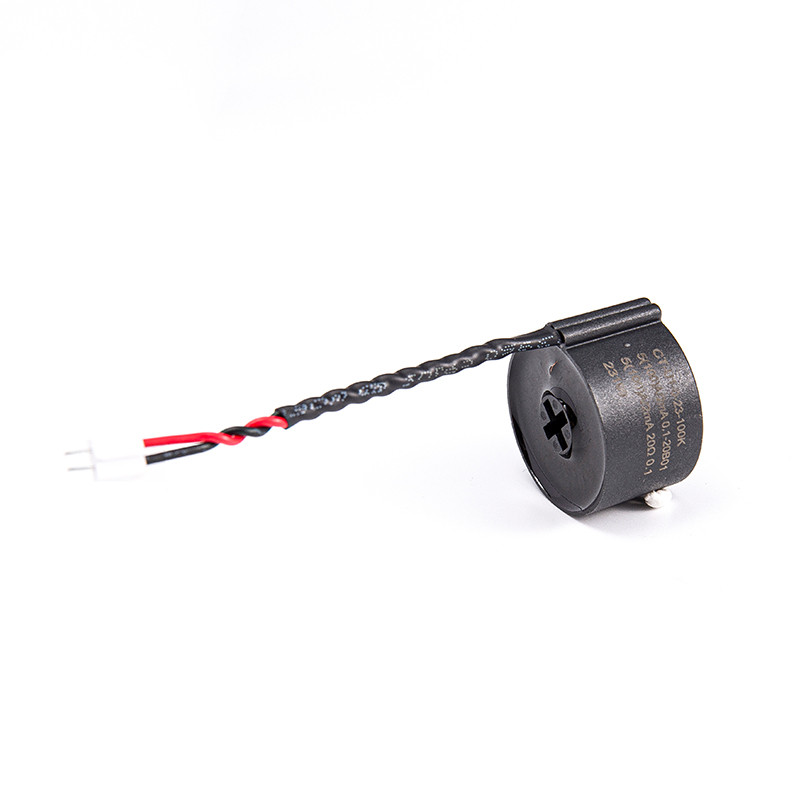
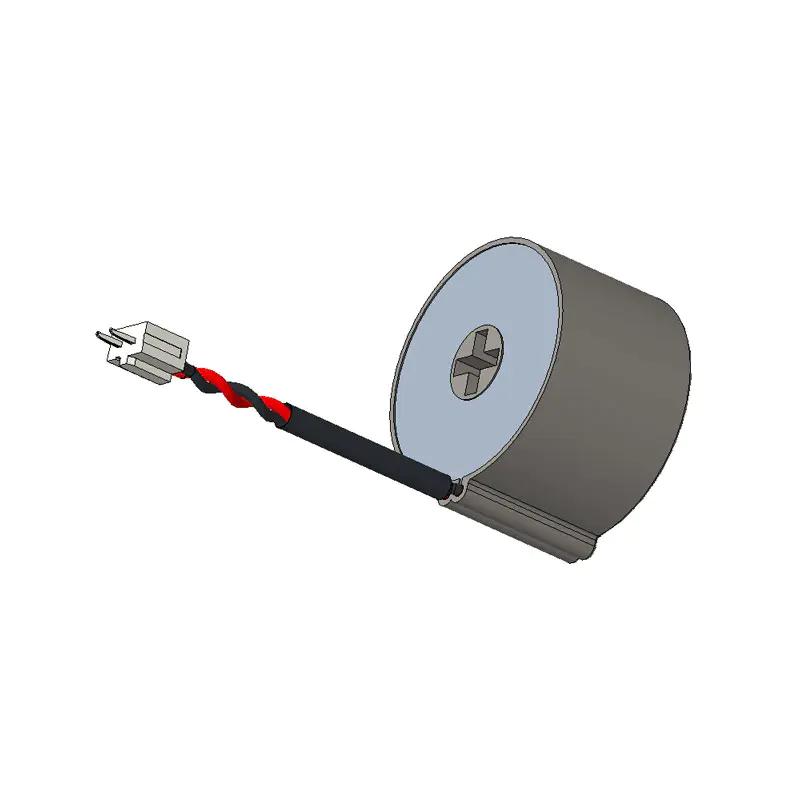
The FHDCT-009 Three-phase high-precision current transformer set is a high-performance current measurement device designed for industrial and commercial applications. Made of advanced silicon steel core material, the product features high precision, low loss, and high stability, and is suitable for current measurement and protection needs in various three-phase power systems. The FHDCT-009 set includes three independent current transformer units, each of which supports high-precision current sensing and can meet the measurement needs from small currents to large current ranges. Its flexible design can adapt to the needs of different installation spaces and is compatible with a variety of third-party instruments or metering devices. The set supports a variety of specifications, including but not limited to common current ratios such as 100A/5A and 200A/1A, and is suitable for voltage levels from 10kV to 40.5kV, meeting the needs of high-precision current measurement in industrial power systems. In addition, the product also has the ability to resist DC offset (DC Offset), ensuring that accurate measurement results can still be provided in the presence of DC offset. The FHDCT-009 set adopts a modular design, which is convenient for quick installation and maintenance on site. Its compact structure enables it to be easily integrated into existing power systems while providing high reliability and long-term stability. Whether used for energy monitoring, power protection,n or substation automation, the FHDCT-009 provides performance and reliable measurement results.


Zhejiang Fanhar Electronics Co., Ltd. is a Chinese custom manufacturer of electromechanical components and circuit measurement tools. As a national high-tech enterprise, we specialize in the R&D, manufacturing, and sales of relays. Our products are widely used in smart home systems, new energy (photovoltaic) applications, charging stations, smart meters, industrial controls, and other fields.
Currently, we have a professional workforce of nearly 600 employees and operate 35 fully automated production lines, with 40% of our products exported to over 20 countries worldwide. To better serve our customers and meet market demands, we continuously improve our products and manufacturing processes, investing 6%–8% of our annual sales revenue in R&D and innovation.
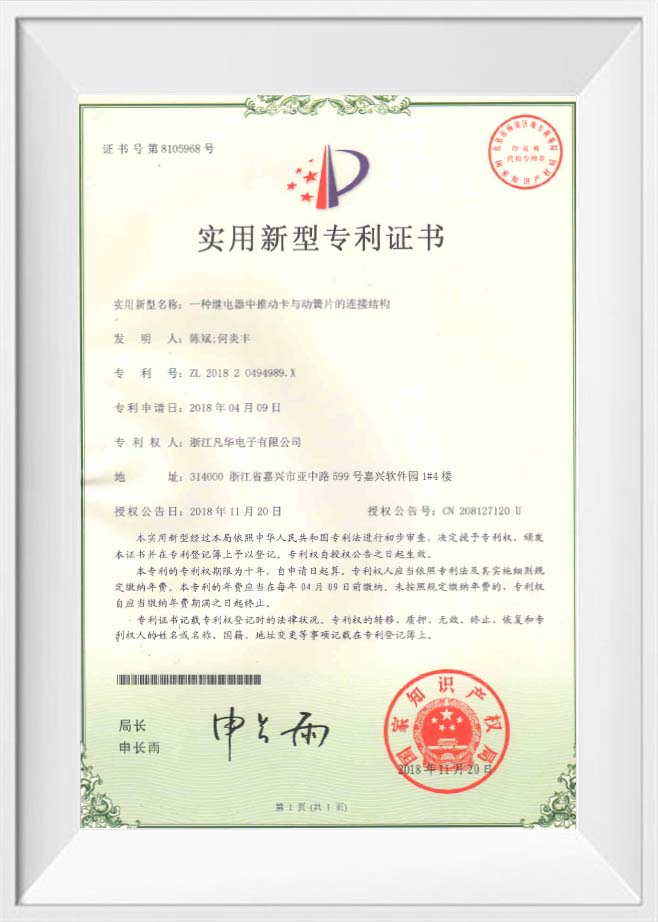
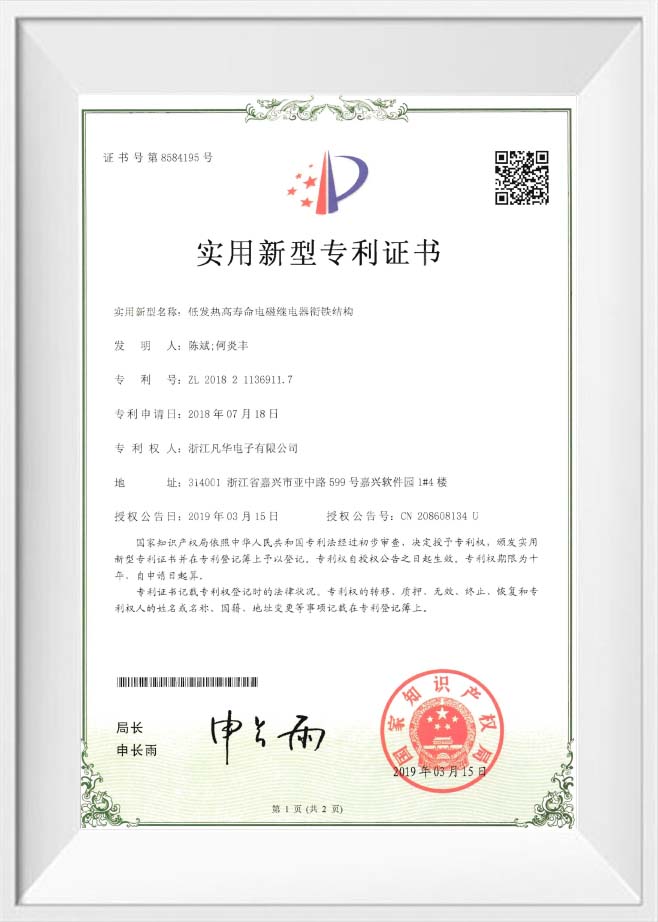
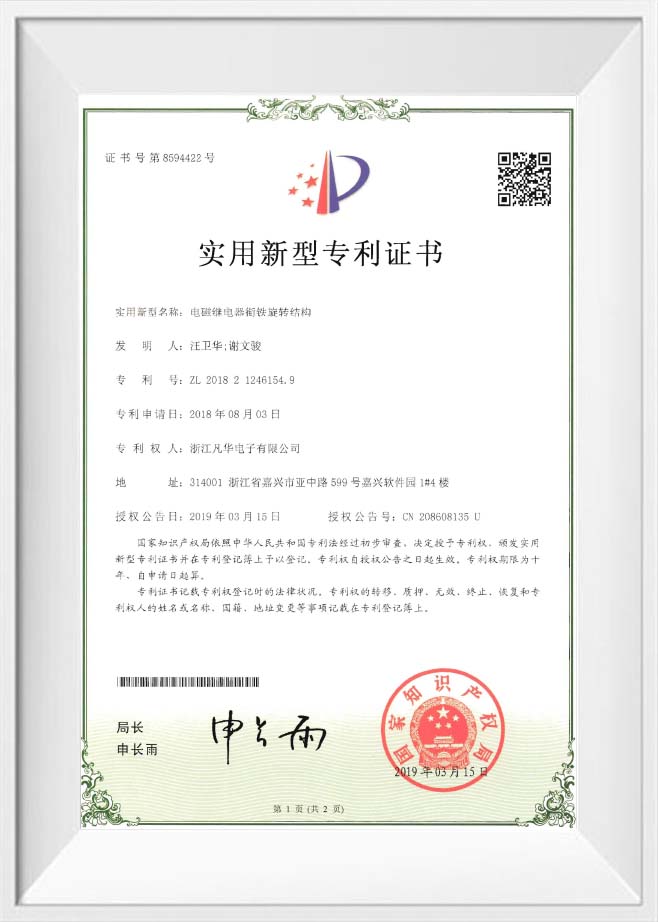
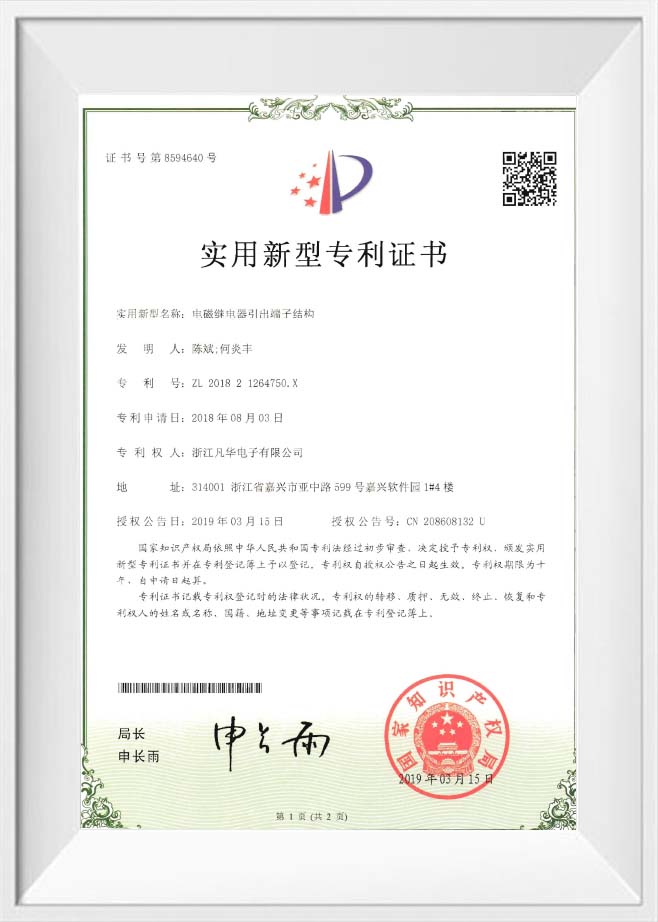
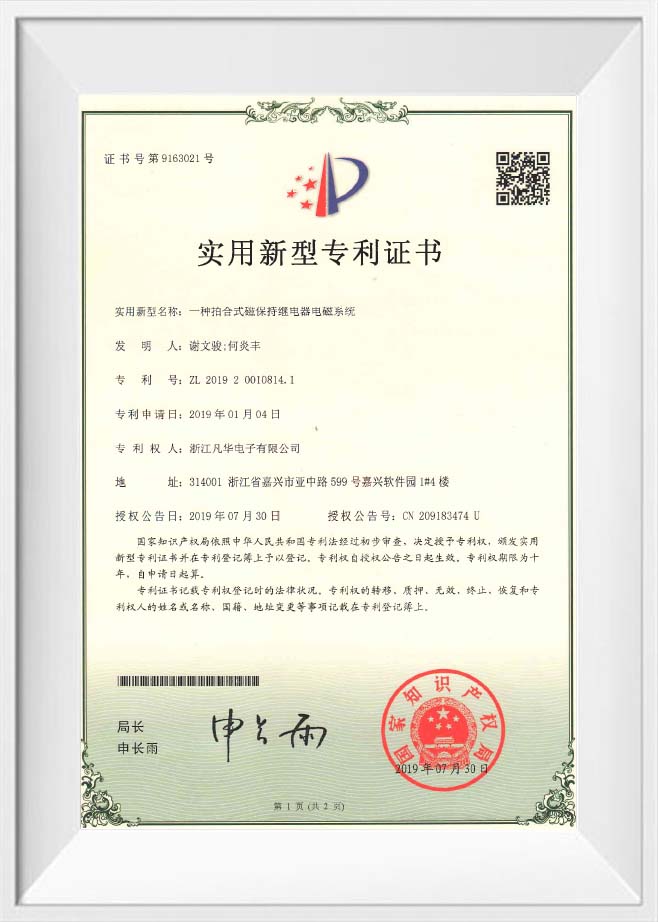
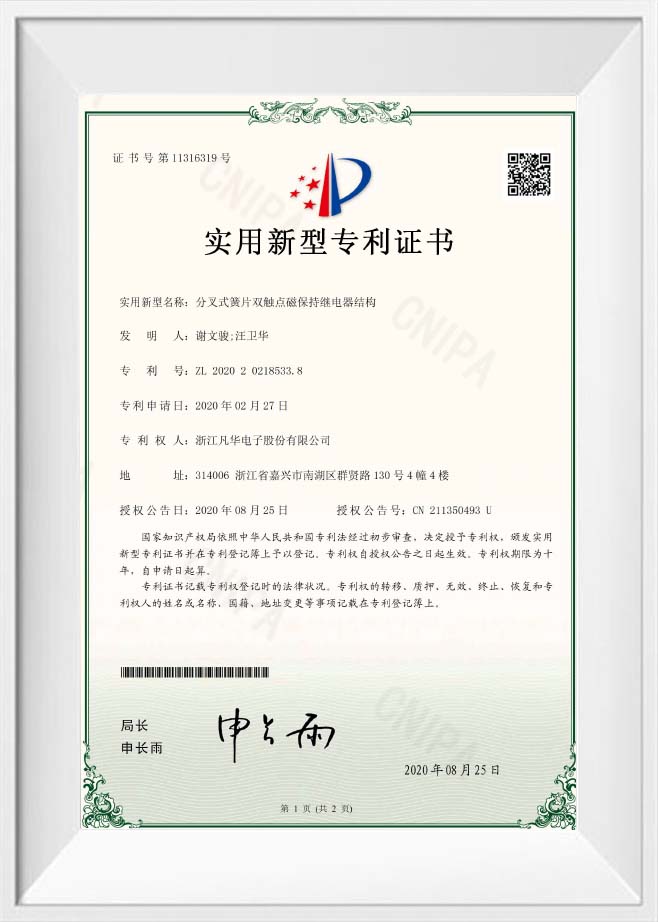
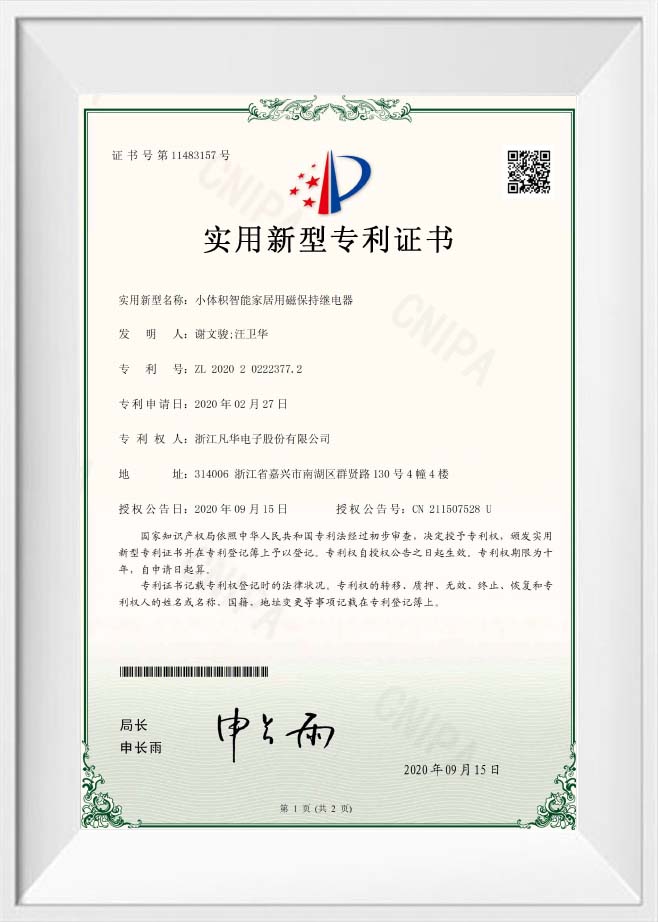
With a strong emphasis on technological innovation, we have been recognized as a National High-Tech Enterprise and a Provincial-level R&D Center, holding more than 50 national patents. Our products have obtained international certifications, including ISO 9001, ISO 14001, and ISO 45001, as well as authoritative UL, TUV, and CQC certifications, and are fully compliant with EU RoHS and REACH directives.
Maintaining a 98% delivery satisfaction rate, our products serve global industry leaders such as Huawei, Bull, and Eaton in smart home, industrial control, new energy, and power metering applications. Looking ahead, Fanhar Electronics will continue to expand production capacity and strengthen our presence in the new energy market, striving to become a leading provider of comprehensive relay solutions.
The eyes of the global electronics industry are once again turning to Munich, Germany. From November 10 to 13, 2026, the highly anticipated world-leading trad...
Read MoreFrom November 10 to 12, 2026, the globally anticipated Enlit Europe 2026 will grandly open at the Messe Wien Exhibition & Congress Center in Vienna, Austr...
Read MoreDesigning a latching relay circuit diagram is one of those tasks that looks complicated until you understand the core idea: the relay remembers its last state ...
Read MoreIn the fields of smart homes, commercial lighting, and industrial control, relays serve as key actuators for circuit switching, and their load capacity, safety...
Read MorePicture a design review for a smart meter or a DC fast-charging station. Sooner or later, someone asks the same question: how do we measure current without bre...
Read More