
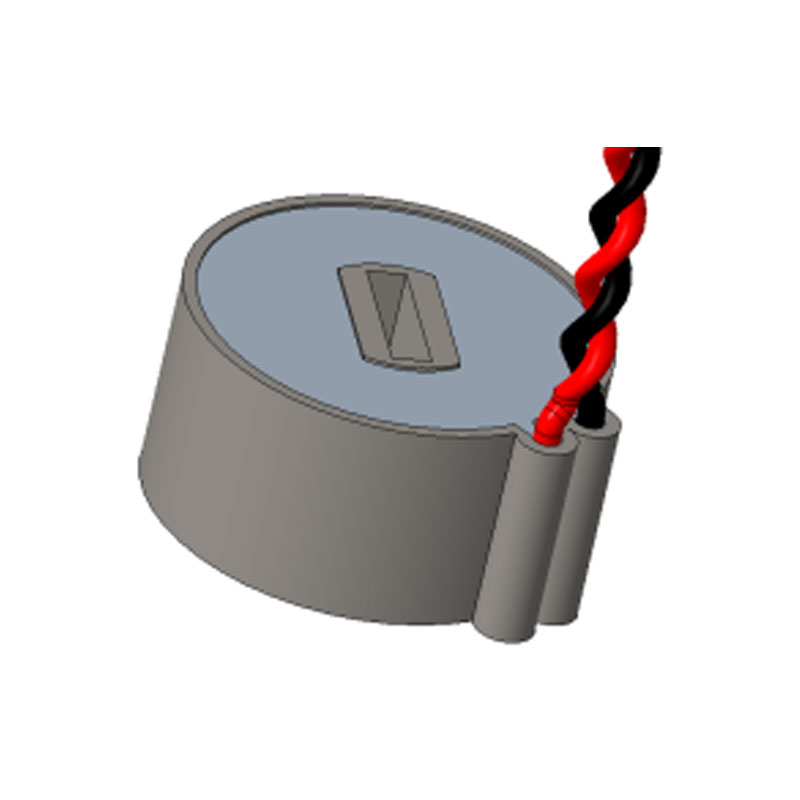
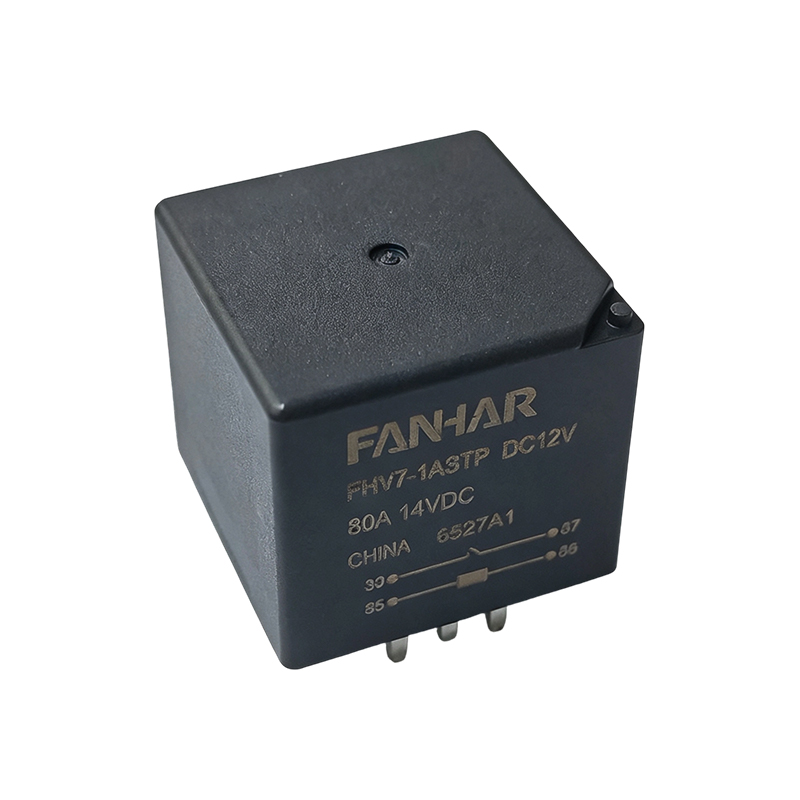
Miniature power relays are compact electromechanical switching components used to control a higher-power load circuit through a low-power control signal. By combining electrical isolation with reliable mechanical switching, they allow a small control current, such as one from a logic board, sensor, or microcontroller, to operate motors, heaters, lighting circuits, or other higher-current loads without exposing the control circuit to the load-side voltage.
These relays are widely used across industrial control panels, home appliances, HVAC equipment, lighting systems, and general electrical automation, where a space-saving footprint and dependable switching performance are required. Typical selection considerations include coil type, contact configuration, mounting method, and expected operating environment, all of which influence how a given relay performs within a specific control circuit.
Key Features of Miniature Power Relays
Compact Footprint Small housing dimensions allow dense placement on control boards or within enclosures where panel space is limited.
Fast Response Time Mechanical actuation typically responds within milliseconds of coil energization, supporting time-sensitive switching tasks.
Multiple Contact Forms Available in configurations such as single-pole and double-pole arrangements to match different circuit topologies.
Coil Voltage Options Offered in AC and DC coil variants across a range of voltage ratings to suit different control circuits.
Indicator and Testing Options Some variants include a status indicator and a manual test button to simplify circuit verification during maintenance.
Sealed and Open-Frame Variants Housing options include sealed construction for washable board processes and open-frame designs for standard indoor use.
Installation and Mounting Considerations
- Common mounting methods include direct PCB soldering, plug-in socket mounting, and DIN rail mounting via an adapter socket, allowing flexibility across different panel layouts.
- Correct coil polarity and terminal orientation should be confirmed before energizing the circuit, particularly for DC coil variants.
- Adequate spacing between adjacent relays helps with heat dissipation, especially in enclosures with multiple switching devices operating simultaneously.
- During handling and installation, relays should be protected from excessive mechanical shock and electrostatic discharge, as both can affect long-term contact reliability.
- Socket-mounted relays simplify field replacement, which is a practical advantage in installations where periodic maintenance or relay swapping is expected.
Performance and Reliability Factors
Relay service life is generally described in two dimensions: mechanical life, which reflects the number of operations the switching mechanism can perform without an electrical load, and electrical life, which reflects the number of operations under a specified load condition. Electrical life is typically shorter than mechanical life because contact wear accelerates under current flow, particularly with inductive or high-inrush loads.
- Contact material composition influences resistance to arcing, contact welding, and long-term conductivity, and is a common differentiator between relay grades.
- Inductive loads, such as motors and transformers, generate back-EMF during switching and may require additional suppression components to protect contacts.
- Ambient temperature range affects coil resistance and mechanical tolerances, so relays intended for extreme environments should be matched to the expected operating temperature.
- Switching frequency, or the number of operations per unit time, should be reviewed against the relay's rated duty cycle to avoid premature wear.
Application Compatibility Across Industries
Because miniature power relays isolate the control circuit from the switched load, they are frequently selected in applications where a low-voltage control system, such as a programmable logic controller or a sensor board, needs to operate a separate higher-power circuit safely and predictably.
Sourcing and Quality Considerations for Bulk Procurement
- Compliance Documentation Buyers typically request relevant compliance references, such as RoHS declarations and applicable safety certification marks, along with test reports for the specific relay series under consideration.
- Batch Consistency For volume orders, consistency in coil resistance, contact resistance, and mechanical actuation across production batches is an important quality indicator.
- Customization Availability Many suppliers offer customization of coil voltage, contact configuration, terminal type, and packaging format to match specific assembly line requirements.
- Moisture Sensitivity and Packaging Packaging should protect against moisture and mechanical damage during transit, particularly for surface-mount or sealed relay types.
- Lead Time and Minimum Order Quantities These factors vary by configuration and should be confirmed early in the sourcing process, especially for non-standard coil voltages or contact forms.
- Sample Verification Requesting samples for incoming inspection prior to full production orders helps confirm that a relay series performs as expected within the intended circuit.
Relay Type Comparison Overview
| Attribute | Miniature Power Relay | General Purpose Relay | Solid State Relay |
|---|---|---|---|
| Switching Mechanism | Electromechanical | Electromechanical | Semiconductor-based |
| Typical Footprint | Compact | Moderate to large | Compact to moderate |
| Switching Noise | Audible click | Audible click | Silent |
| Contact Wear | Present over time | Present over time | Not applicable |
| Typical Use Case | Board-level and panel switching | General industrial control | High-frequency or precision switching |
Frequently Asked Questions
Q1: What distinguishes a miniature power relay from a standard general-purpose relay?
The main distinction is footprint and intended application. Miniature power relays are designed for board-level or space-constrained installations while maintaining sufficient switching capacity for common loads, whereas general-purpose relays are often larger and used in broader industrial control contexts.
Q2: What contact configurations are typically available?
Common configurations include single-pole single-throw, single-pole double-throw, and double-pole double-throw arrangements. The appropriate configuration depends on whether the circuit requires simple on and off switching or changeover between two circuit paths.
Q3: How should coil voltage be selected for a given control circuit?
Coil voltage should match the output voltage of the controlling circuit, whether that circuit provides AC or DC power. Selecting a mismatched coil voltage can result in unreliable actuation or premature coil failure.
Q4: What factors affect the operational lifespan of a miniature power relay?
Lifespan is influenced by switching frequency, load type, ambient temperature, and contact material. Loads with high inrush current or inductive characteristics tend to reduce electrical life compared with steady resistive loads.
Q5: Are miniature power relays suitable for switching inductive loads?
They can switch inductive loads such as small motors or coils, but additional suppression components are often recommended to manage back-EMF and reduce contact stress during switching transitions.
Q6: Can these relays be customized for specific mounting or terminal requirements?
Many suppliers offer customization options covering terminal style, mounting format, and packaging to align with a buyer's existing assembly process, particularly for larger production orders.