 EN
EN
 English
 Español
 русский
 简体中文
简体中文

News
Content
- 1 Introduction: The Rise and Application of Solid State Relays
- 2 What are Solid State Relays?
- 3 Types of Solid State Relays
- 4 Solid State Relays in Industrial Automation
- 5 Solid State Relays in Household and Commercial Automation
- 6 Advantages of Solid State Relays
- 7 Solid State Relays vs. Mechanical Relays
- 8 Choosing the Right Solid State Relay for Your Application
- 9 Applications of Static Protection Relays
- 10 Conclusion
- 11 FAQ
Introduction: The Rise and Application of Solid State Relays
In recent years, solid state relays (SSRs) have emerged as a core technology in both industrial and residential automation systems. Unlike traditional mechanical relays that rely on moving parts, SSRs use semiconductor components to perform the same function, offering numerous advantages in terms of durability, switching speed, and size. These benefits have made them an integral part of modern electrical and electronic systems, from complex industrial machines to household appliances.
What are Solid State Relays?
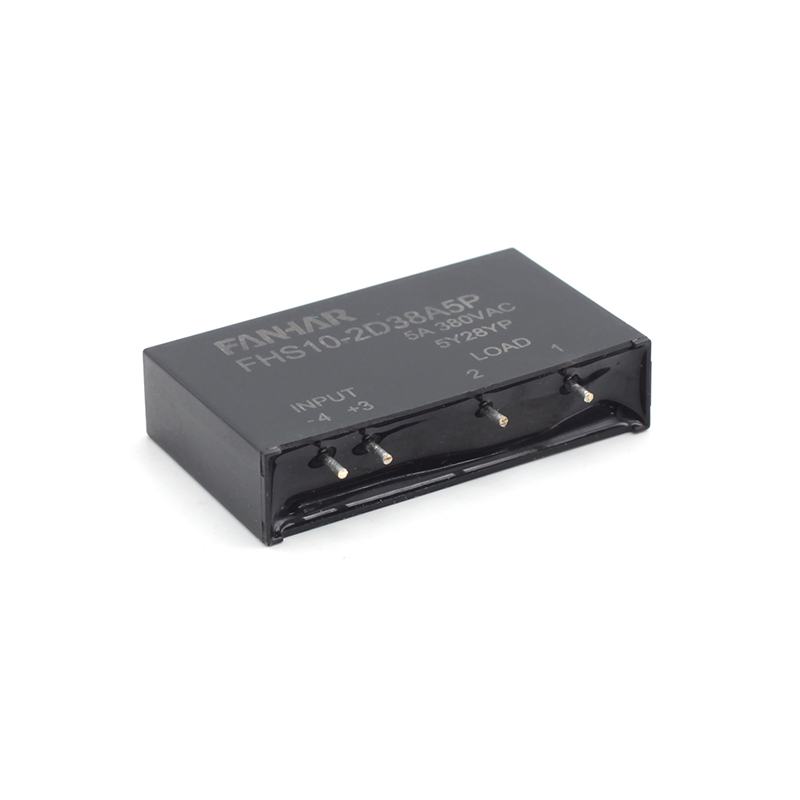
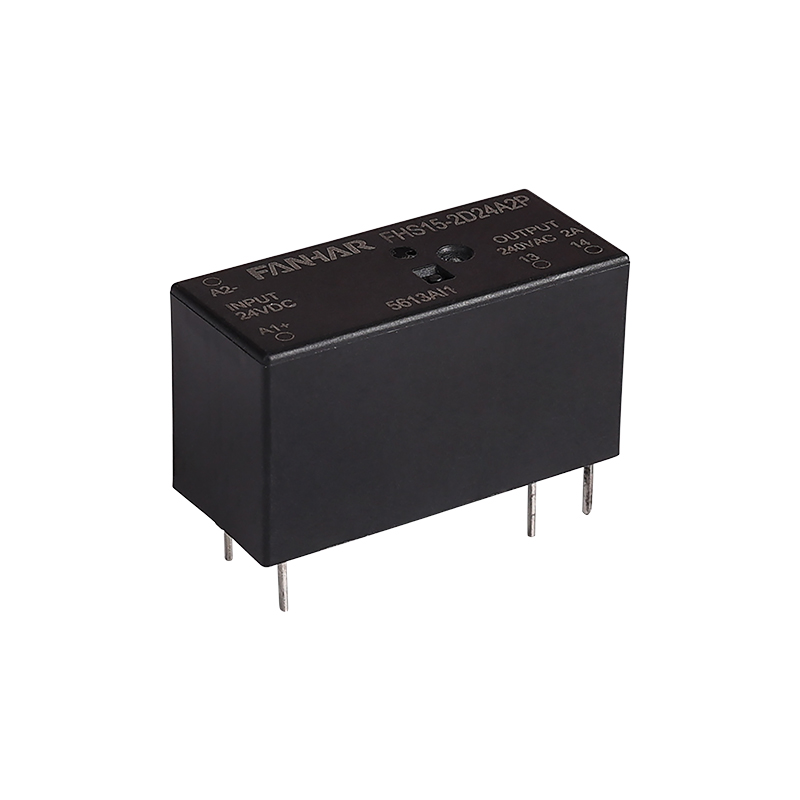
A solid state relay is an electronic switching device that uses semiconductor components to switch a circuit on or off without relying on any moving parts. SSRs are often used as a replacement for mechanical relays because they provide faster switching, longer life cycles, and greater resistance to wear and tear. Unlike mechanical relays, which depend on contacts that open and close, solid-state relays use semiconductor materials (such as silicon or gallium arsenide) to perform switching.
How Solid State Relays Work
The working principle of a solid state relay is based on the use of semiconductor components like thyristors, triacs, and optoisolators. When a voltage is applied to the input side of the relay, it activates the semiconductor, which then switches the output side of the relay to either connect or disconnect the circuit.
The key components of a typical SSR include:
- Input Control: This section receives the control signal, which can either be AC or DC. The control signal activates the semiconductor material, which allows the relay to function.
- Output Switching: The switching is done via semiconductor elements such as triacs, thyristors, or MOSFETs. These components ensure that the output circuit can be controlled by the relay without physical moving parts.
- Isolation: Optocouplers are used to provide electrical isolation between the control and the power side of the circuit, ensuring that any high-voltage spikes do not affect the control circuit.
The lack of moving parts leads to fewer mechanical failures, and the design of SSRs allows for faster switching times compared to mechanical relays. For example, SSRs can switch on and off in milliseconds, whereas mechanical relays take longer due to the physical movement of contacts.
Types of Solid State Relays
Solid state relays come in different types, each suited for specific applications based on the input and output requirements, as well as the type of load being controlled. Below are some of the most common types of solid state relays:
AC Solid State Relays
These SSRs are used to switch AC loads. The most commonly used semiconductors in AC SSRs are triacs and thyristors. These components are capable of switching AC current efficiently, and they are ideal for controlling high-power devices such as motors, heating elements, and lighting systems.
DC Solid State Relays
DC SSRs are designed to handle low-voltage, direct current applications. These are used in scenarios such as controlling solenoids, LEDs, and small motors. Unlike AC SSRs, DC SSRs often use MOSFETs or IGBTs (Insulated Gate Bipolar Transistors) to handle the switching operations.
High Voltage Solid State Relays
High voltage SSRs are capable of switching circuits that carry much higher voltage and current than standard models. These are typically used in heavy industrial machinery, power systems, and other high-power applications. They ensure that the machinery operates safely without the risk of electrical failures caused by traditional mechanical relay wear and tear.
Solid State Relays in Industrial Automation
One of the primary fields where solid state relays are used is industrial automation. As manufacturing processes have become more sophisticated, there is an increasing need for systems that are reliable, energy-efficient, and capable of handling high power loads with minimal downtime. Solid state relays provide exactly that, making them an essential component of modern industrial automation systems.
Applications in Industrial Machines
In industrial machinery, SSRs are used to control the operation of motors, conveyors, heating elements, and other essential components. The fast switching time of SSRs enables precise control over these systems, which can lead to greater overall efficiency in production lines and factories. For instance, semiconductor relays are used to regulate heating systems in ovens, furnaces, and kilns, where quick, precise control of temperature is essential.
Common Industrial Applications of Solid State Relays
| Application | SSR Type | Key Benefit |
|---|---|---|
| Motor Control | AC SSR | Fast switching, high durability |
| Heating Systems | AC/DC SSR | Accurate temperature regulation |
| Conveyor Belts | AC SSR | Reliable and quick switching |
| Automated Lighting | AC SSR | Energy-efficient, long life span |
| Power Distribution | High Voltage SSR | Safe switching of high-power circuits |
Benefits in Industrial Automation
- Faster Switching: The ability to switch on and off quickly enables industrial systems to be more responsive to changes in operation.
- Durability: Solid-state relays last longer than their mechanical counterparts, which have moving parts that can wear out over time.
- Energy Efficiency: By controlling power more efficiently, SSRs help reduce energy consumption and minimize system wear, leading to cost savings.
- Compactness: The smaller size of solid-state relays compared to mechanical relays allows for more compact control systems, which is especially useful in industries with space constraints.
Solid State Relays in Household and Commercial Automation
While solid state relays are widely used in industrial settings, they are also found in many household and commercial automation systems. The growing trend of smart homes and intelligent buildings has led to the increased use of SSRs in home automation systems, where they are used for controlling lighting, temperature, and security systems.
Applications in Home Automation
In a smart home system, SSRs control devices like thermostats, lighting systems, and security cameras. For example, when the home’s thermostat detects a change in temperature, it can use an SSR to quickly switch on a heating or cooling system. SSRs are also used in static protection relays to ensure that sensitive electronic equipment is protected from power surges or spikes.
Advantages of Solid State Relays
The primary advantage of solid state relays over mechanical relays is their reliability and long lifespan. Since there are no moving parts in an SSR, the wear and tear that typically occurs in mechanical systems is eliminated. This is particularly important in high-frequency switching applications, where mechanical relays would wear out quickly.
Additionally, SSRs are more energy-efficient and provide faster switching speeds, which enhances system responsiveness, especially in automated environments where speed is crucial.
Solid State Relays vs. Mechanical Relays
When comparing solid state relays to mechanical relays, it’s essential to understand their key differences in terms of performance, reliability, and longevity. While both types of relays serve the same purpose — to control the flow of electricity within a circuit — their operational mechanisms and benefits differ substantially.
Key Differences Between Solid State and Mechanical Relays
-
Switching Speed
- Solid State Relays: As mentioned earlier, SSRs are extremely fast and can switch on or off in milliseconds. This fast response time is crucial for applications in which timing and precision are important, such as in high-speed industrial machinery or sensitive control systems.
- Mechanical Relays: Mechanical relays rely on physical moving parts (contacts), which take longer to operate. The switching speed is slower, typically in the millisecond to second range, making them unsuitable for high-speed automation.
-
Longevity
- Solid State Relays: SSRs have a much longer life expectancy because they contain no moving parts. The absence of physical wear and tear significantly reduces failure rates, especially in high-frequency switching applications. SSRs can last millions of cycles.
- Mechanical Relays: Mechanical relays, on the other hand, rely on contacts that wear out over time, leading to a reduced lifespan. Typically, mechanical relays last for around 100,000 to 1,000,000 switching cycles.
-
Power Consumption and Efficiency
- Solid State Relays: SSRs are more energy-efficient as they do not consume as much power during the switching process. The energy losses are minimal due to the absence of physical components.
- Mechanical Relays: Mechanical relays consume more energy during operation, as the contacts are in physical motion. This results in higher power consumption and heat generation.
-
Size and Form Factor
- Solid State Relays: SSRs are compact and often smaller than their mechanical counterparts, allowing for more flexible system designs and easier integration into space-constrained applications.
- Mechanical Relays: Mechanical relays are generally bulkier, especially for high-current applications, and they require more space for their contact elements.
-
Sensitivity to Environment
- Solid State Relays: SSRs can operate efficiently in a wide range of environmental conditions, including extreme temperatures, humidity, and shock. However, they may require proper heat dissipation to manage temperature effectively.
- Mechanical Relays: Mechanical relays are more susceptible to environmental factors such as vibration, humidity, and extreme temperatures. The physical contacts can degrade over time in harsh conditions.
Comparing Solid State and Mechanical Relays
| Feature | Solid State Relay | Mechanical Relay |
|---|---|---|
| Switching Speed | Fast (milliseconds) | Slower (milliseconds to seconds) |
| Durability | High (millions of cycles) | Limited (100,000 to 1,000,000 cycles) |
| Power Efficiency | High | Lower |
| Size | Small and compact | Larger |
| Environmental Sensitivity | Low, but needs proper heat dissipation | High, susceptible to wear in harsh environments |
| Maintenance | Low maintenance | Requires more maintenance |
Choosing the Right Solid State Relay for Your Application
Selecting the appropriate solid state relay for a specific application requires careful consideration of several factors, including the type of load, operating voltage, switching frequency, and environmental conditions. Choosing the right SSR ensures optimal performance and reliability, reducing the likelihood of premature failure or inefficiency.
Key Factors to Consider When Selecting a Solid State Relay
Type of Load
The load type — whether it’s resistive, inductive, or capacitive — significantly impacts the choice of SSR. For example:
- Resistive Loads (like heating elements): These loads typically have a steady current flow and are easy to control with most SSRs.
- Inductive Loads (like motors): These loads have a high inrush current when powered on, which can cause problems for some SSRs. It’s crucial to select a relay with sufficient surge tolerance to handle these conditions.
- Capacitive Loads (like fluorescent lights): These loads can cause a high inrush current, so an SSR designed for capacitive loads is needed.
Operating Voltage and Current: The voltage and current ratings of the relay must match the requirements of the system. SSRs are designed for a range of voltages, from low-voltage control circuits to high-voltage power systems. It’s essential to choose a relay that can handle the maximum voltage and current of the circuit to avoid damage or malfunction.
Switching Frequency: Some applications require frequent switching cycles, such as automated manufacturing lines or temperature regulation systems. If the system demands high-frequency switching, it’s important to select an SSR with a high switching capability that can handle the continuous operation.
Environmental Conditions: If the SSR is to be used in harsh environments (e.g., high temperatures, humidity, or exposure to vibrations), it’s essential to choose one that is rated for those conditions. Some SSRs are designed with additional features such as heat sinks for better temperature management or are made with special materials that can withstand extreme environments.
Heat Dissipation: Solid state relays generate heat during operation, especially when switching high-power loads. Effective heat dissipation is necessary to ensure the longevity and efficiency of the SSR. Some SSRs come with built-in heat sinks, while others may require external cooling mechanisms depending on the application.
Key Considerations for Choosing a Solid State Relay
| Consideration | Details | Example |
|---|---|---|
| Load Type | Select based on whether the load is resistive, inductive, or capacitive | Heating elements (resistive), motors (inductive) |
| Voltage Rating | Ensure SSR can handle the maximum operating voltage | 120V, 240V, 480V SSR models |
| Current Rating | Choose based on the required current capacity | 10A, 30A, 50A SSR models |
| Switching Frequency | High-frequency SSRs for frequent switching | Industrial machinery, automation |
| Environmental Rating | Choose SSRs rated for harsh conditions | Waterproof or industrial-grade SSRs |
| Heat Dissipation | SSRs with heat sinks for high-power applications | Use with external cooling if necessary |
Applications of Static Protection Relays
While solid state relays are widely known for their role in switching and control, another related technology is the static protection relay. These relays play an important role in protecting sensitive equipment from voltage spikes and surges that can occur in power systems.
Static protection relays are designed to protect circuits and devices from high-voltage transients that might be caused by lightning strikes, switching surges, or electrical faults. These relays are particularly valuable in industrial settings, where machinery and control systems are vulnerable to sudden power spikes.
How Static Protection Relays Work
Static protection relays function by detecting abnormal voltage levels and instantly disconnecting the circuit before damage can occur. These relays are typically connected to power distribution systems and monitor the voltage continuously. When they detect a surge or transient voltage, they quickly act to isolate the affected circuit.
Conclusion
As the world moves toward smarter, more efficient systems, solid state relays are poised to play an even greater role in industrial, commercial, and residential automation. Their ability to handle high power loads, switch rapidly, and operate in extreme environments makes them indispensable for modern electrical systems.
FAQ
1. What is the main difference between solid state relays and mechanical relays?
Solid state relays are faster, more reliable, and have a longer lifespan than mechanical relays because they do not have moving parts. They are also more energy-efficient and can withstand harsh environmental conditions.
2. How can I choose the right solid state relay for my application?
When choosing an SSR, consider factors such as the type of load (resistive, inductive, capacitive), voltage and current ratings, switching frequency, and environmental conditions. Proper selection ensures optimal performance and prevents early failure.
3. What are static protection relays used for?
Static protection relays are used to protect circuits and devices from voltage spikes or surges. They detect abnormal voltage levels and disconnect the affected circuit to prevent damage.
4. What is the typical lifespan of a solid state relay?
Solid state relays can last millions of switching cycles, far longer than mechanical relays, which are typically limited to around 100,000 to 1 million cycles.
5. Are solid state relays suitable for high-power applications?
Yes, solid state relays are ideal for high-power applications, including industrial automation, heating systems, and power distribution. High-voltage and high-current SSRs are specifically designed to handle large loads efficiently.
 Previous