 EN
EN
 English
 Español
 русский
 简体中文
简体中文

News
Content
- 1 1. What Are Electromechanical Components
- 2 2. Working Principles of Electromechanical Components
- 3 3. Types of Electromechanical Components
- 4 4. Common Electromechanical Devices List
- 5 5. Industrial Applications of Electromechanical Components
- 6 6. Application Scenarios of Electromechanical Components
- 7 7. How to Choose Electromechanical Components
- 8 8. Future Trends
- 9 9. Conclusion
1. What Are Electromechanical Components
In modern industry and daily life, Electromechanical Components play an irreplaceable role. From simple household appliances to complex industrial automation systems, these components form the core foundation for converting electrical energy into mechanical energy and vice versa.
Simply put, Electromechanical Components refer to devices or parts capable of converting or controlling energy between electrical and mechanical forms. They typically combine electrical systems with mechanical structures, using electrical signals to drive mechanical motion or using mechanical changes to generate electrical signals.
In real life, we interact with these components almost constantly. For example, motors in electric fans, relays in washing machines, elevator drive systems, and even actuators in smart locks are all typical electromechanical component applications.
With the development of Industry 4.0 and intelligent manufacturing, the scope of Electromechanical Components continues to expand, while their performance, precision, and reliability are constantly improving. Therefore, understanding electromechanical components is essential not only for engineers but also for professionals involved in procurement, product design, and system optimization.
2. Working Principles of Electromechanical Components
To truly understand Electromechanical Components, it is essential to grasp their fundamental mechanism: the conversion between electrical energy and mechanical energy.
2.1 Conversion from Electrical Energy to Mechanical Energy
In most electromechanical components working principle scenarios, electrical energy is converted into mechanical energy. A typical example is an electric motor. When current flows through a coil, it generates a force within a magnetic field, causing rotation.
This process generally follows these steps:
Electrical input → Electromagnetic interaction → Force generation → Mechanical output
For example, in an automatic door system, when a sensor detects a person approaching, it sends an electrical signal that drives a motor to open the door. This is a classic electromechanical components applications scenario.
2.2 Conversion from Mechanical Energy to Electrical Energy
Some Electromechanical Components perform the reverse function, converting mechanical energy into electrical energy. Generators are a prime example. When mechanical motion drives coils within a magnetic field, electricity is generated.
This mechanism is widely used in energy systems such as wind and hydropower, representing a key part of industrial electromechanical components usage.
2.3 Control and Feedback Mechanisms
Modern Electromechanical Components are not just simple conversion devices; they also include control and feedback systems, such as position feedback, speed control, and current regulation.
These features allow components not only to execute actions but also to respond intelligently, making them essential in automation systems.
3. Types of Electromechanical Components
After understanding the electromechanical components' working principle, it is important to explore the types of electromechanical components. Each type serves different functions and applications.
3.1 Switches
Switches are among the most basic Electromechanical Components, used to control circuit connections. Examples include push-button switches, limit switches, and micro switches.
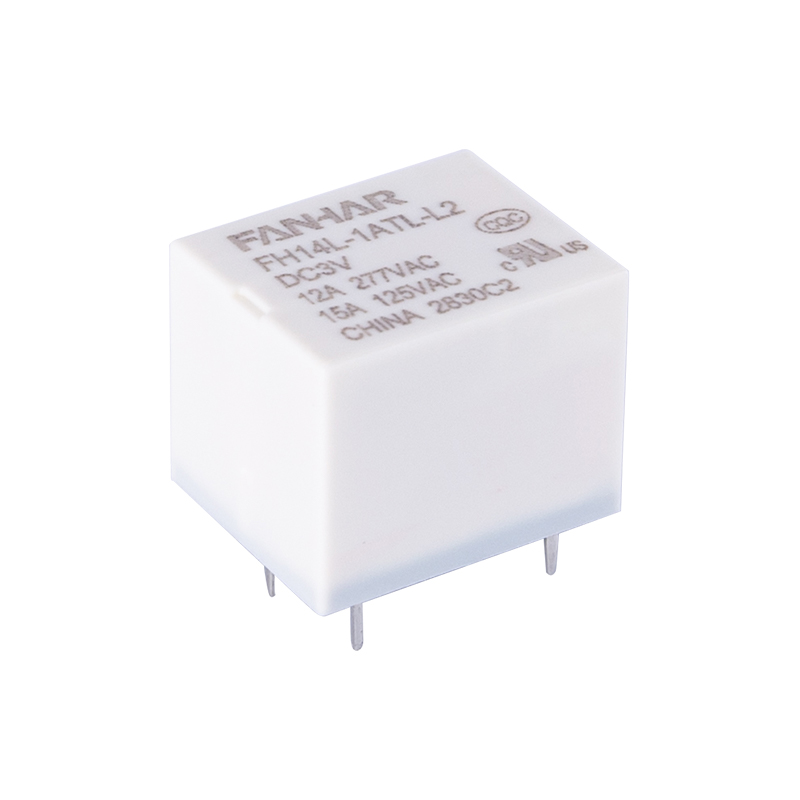
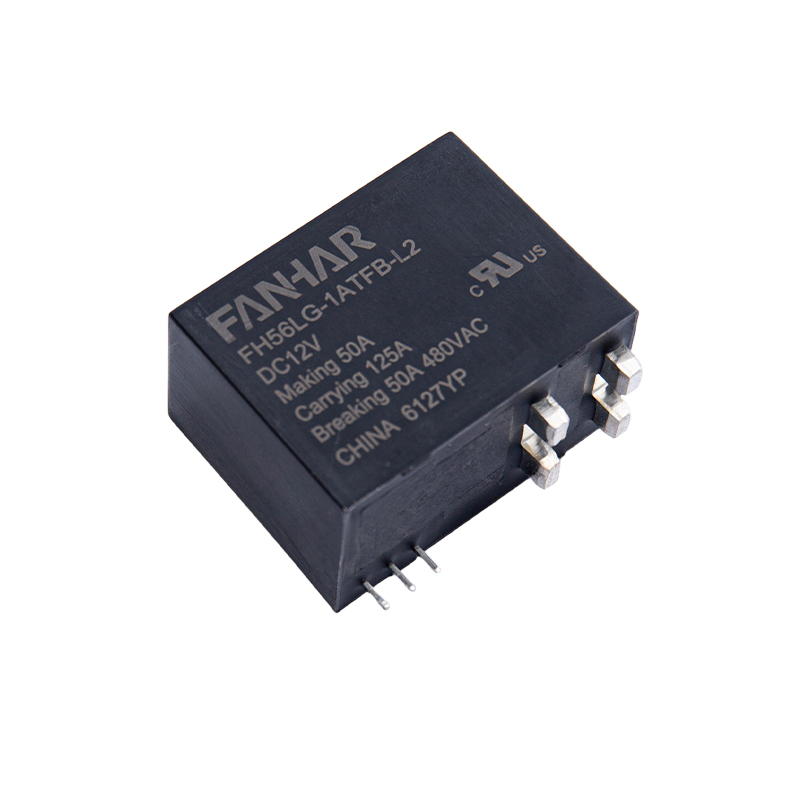
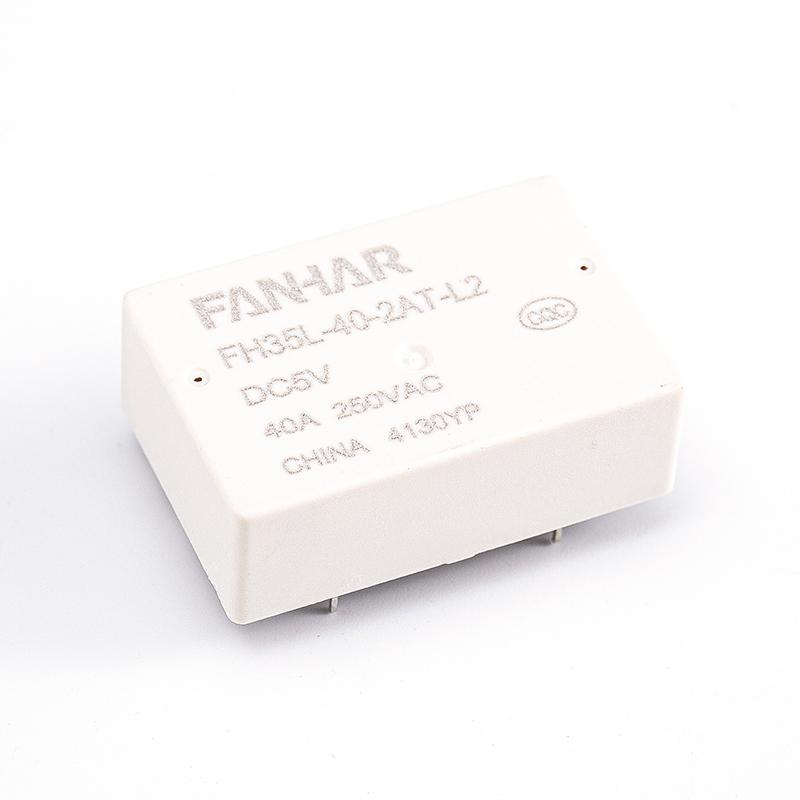
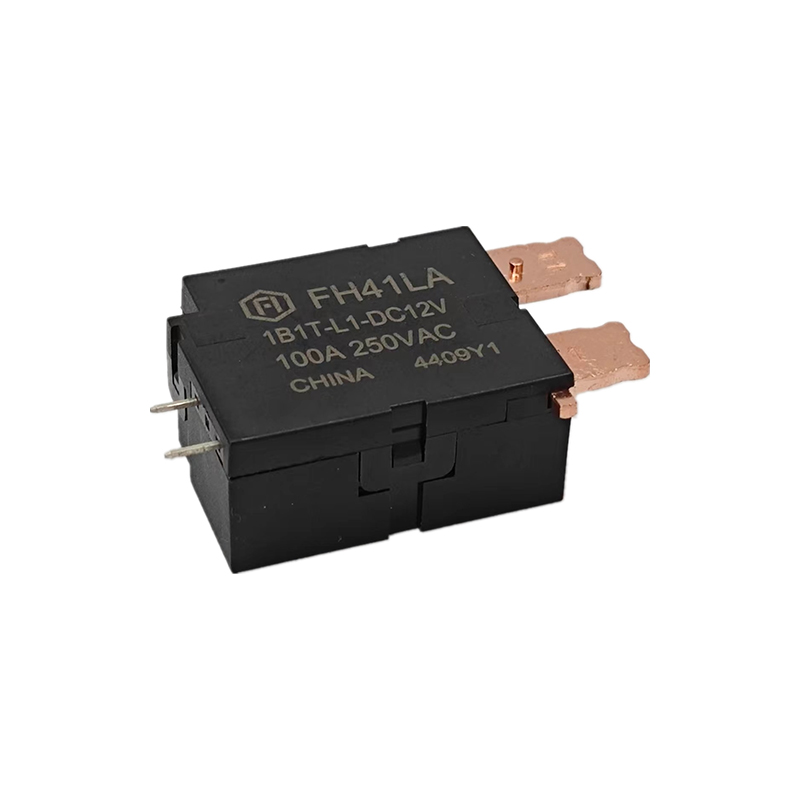
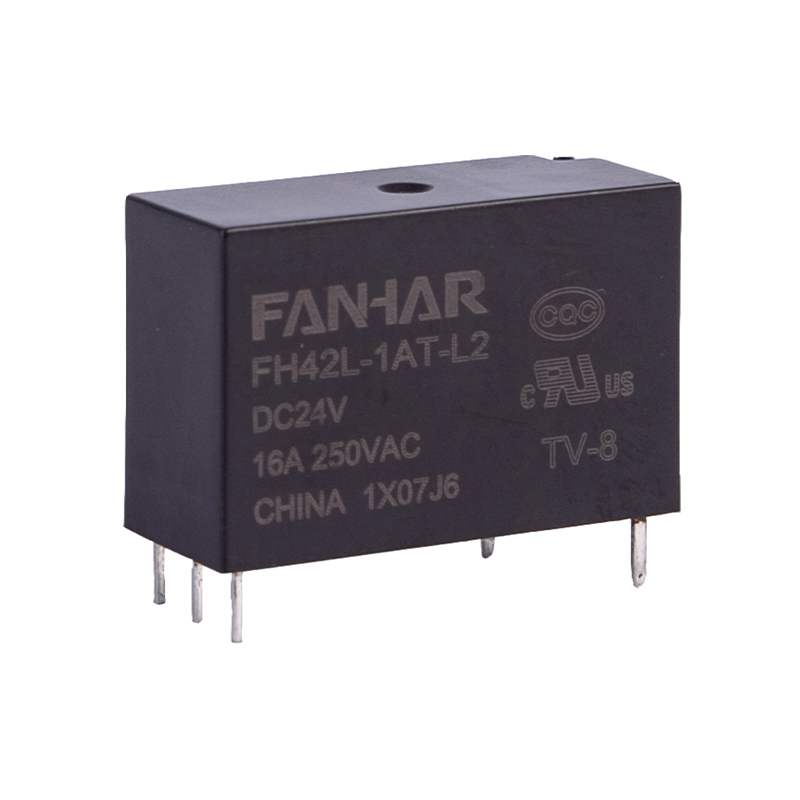
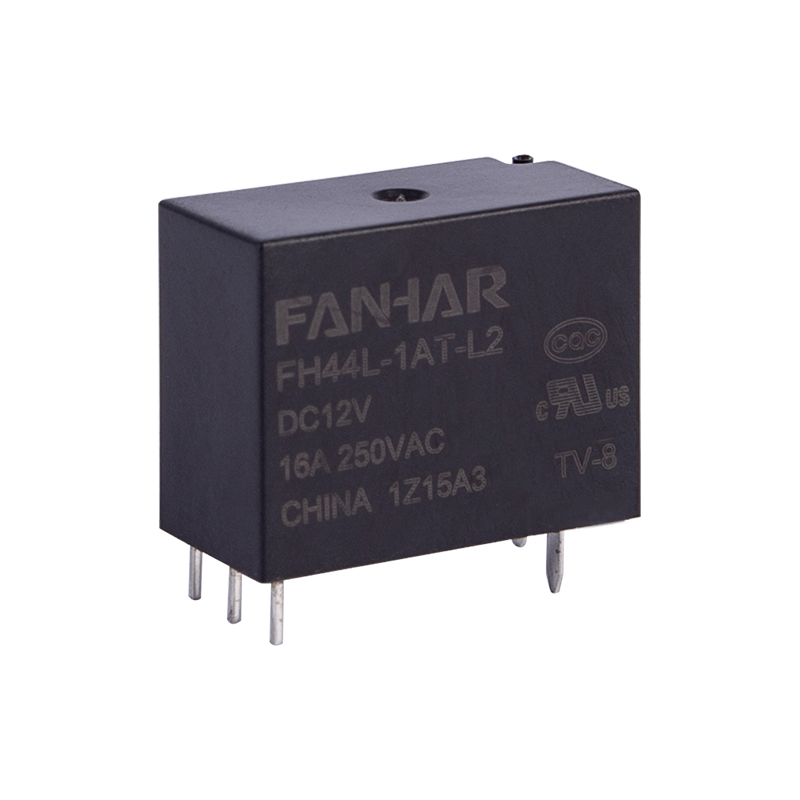
3.2 Relays
Relays are widely used in automation systems to control circuits using electrical signals. They allow small currents to control larger ones and are essential in electromechanical component systems.
3.3 Motors
Motors are one of the most important Electromechanical Components, converting electrical energy into mechanical motion. Common types include DC motors, AC motors, stepper motors, and servo motors.
3.4 Connectors
Connectors play a crucial role in ensuring stable signal and power transmission between electromechanical components. High-quality connectors enhance system reliability and reduce signal loss.
3.5 Sensors
Sensors convert physical signals such as temperature, pressure, or position into electrical signals. They are key to intelligent electromechanical components applications and are widely used in automation systems.
4. Common Electromechanical Devices List
4.1 Household Applications
In home environments, Electromechanical Components are widely used in appliances like refrigerators, washing machines, and air conditioners, where motors, relays, and sensors work together.
4.2 Industrial Equipment
Industrial systems such as CNC machines and automated production lines rely heavily on industrial electromechanical components usage.
4.3 Automation Systems
Automation systems combine motors, sensors, and control modules to perform precise operations, demonstrating advanced electromechanical components applications.
5. Industrial Applications of Electromechanical Components
5.1 Manufacturing Industry
In manufacturing, Electromechanical Components are used in automated production lines, packaging systems, and inspection equipment, enabling high efficiency and precision.
5.2 Automotive Industry
The automotive sector heavily relies on industrial electromechanical components usage. Modern vehicles, especially electric ones, use motors, sensors, and control systems extensively.
5.3 Medical Equipment
In healthcare, Electromechanical Components are critical for precision devices such as imaging systems and surgical robots, where accuracy and reliability are essential.
5.4 Energy and Power Systems
Energy systems depend on Electromechanical Components for power generation and distribution, including generators and control systems.
5.5 Industry Comparison Table
| Industry | Main Components | Core Function |
| Automotive | Motors, Sensors, Relays | Drive and Control |
| Medical | Precision Motors, Sensors | Accurate Operation |
| Energy | Generators, Switches | Energy Conversion |
| Manufacturing | Servo Systems | Automation |
6. Application Scenarios of Electromechanical Components
6.1 Smart Home Systems
Electromechanical Components are widely used in smart homes, such as smart locks and automated curtains.
6.2 Industrial Automation
Automation systems rely on sensors, controllers, and actuators to perform tasks efficiently.
6.3 Robotics
Robots are a key example of a common electromechanical device list, combining motors, sensors, and controllers.
6.4 Internet of Things (IoT)
IoT devices use electromechanical components and applications to sense and act, enabling intelligent systems.
7. How to Choose Electromechanical Components
7.1 Application Requirements
Select Electromechanical Components based on environment and functional needs.
7.2 Key Parameters
| Parameter | Meaning | Impact |
| Voltage/Current | Operating condition | System compatibility |
| Power | Output capacity | Performance |
| Lifespan | Usage duration | Maintenance cost |
| Precision | Control accuracy | System quality |
7.3 Environmental Adaptability
In many industrial electromechanical component usage scenarios, components must withstand harsh conditions.
7.4 Cost vs Performance
Balancing cost and performance is essential when selecting Electromechanical Components.
8. Future Trends
Electromechanical Components are evolving toward intelligence, miniaturization, and energy efficiency.
Integration with AI and new materials will further enhance performance and expand application areas.
9. Conclusion
Electromechanical Components serve as a bridge between electrical and mechanical systems. From industrial automation to smart homes, they are fundamental to modern technology.
Understanding types of electromechanical components, their working principle, and electromechanical components applications helps unlock their full potential.
As technology advances, Electromechanical Components will continue to drive innovation and industrial progress.
 Previous