 EN
 English
 Español
 русский
 简体中文


Wholesale Shunt Factory
Home / Products / Electricity Meter Parts / Shunt / FHS-013 High stability temperature resistant shunt

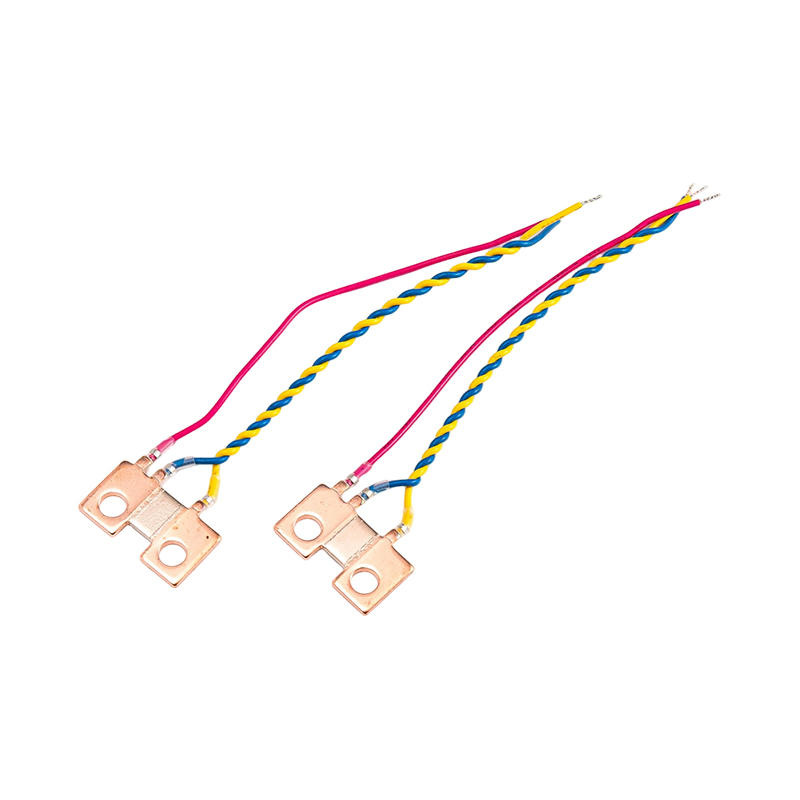
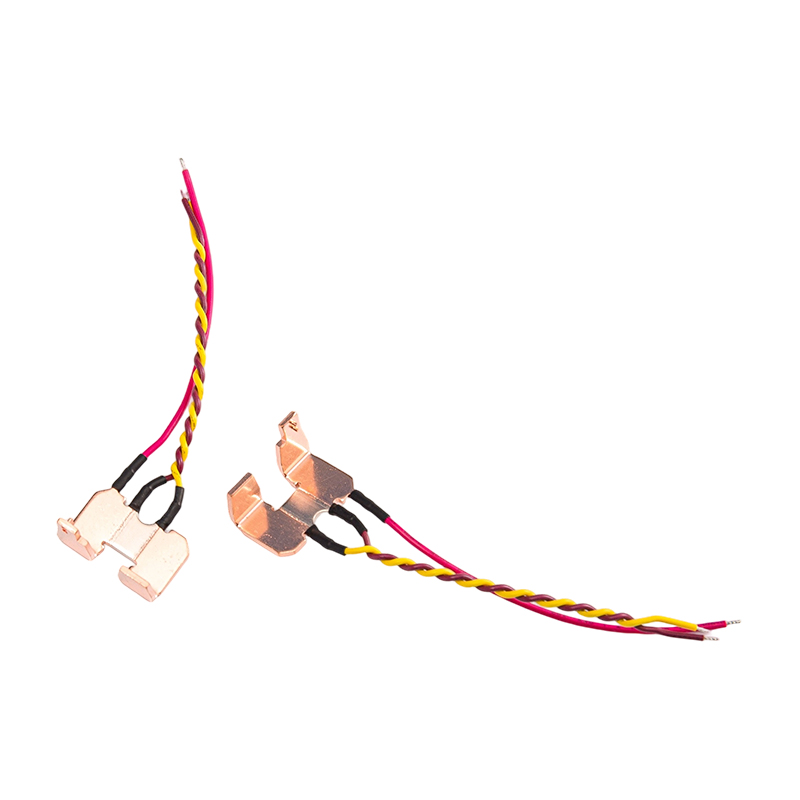
The FHS-013 High stability temperature resistant shunt is a precision resistor device designed for accurate current measurement in a variety of industrial and electronic applications. Its core features are its temperature stability and long-term stability, which can maintain high-precision measurement results under temperature conditions. The device uses low temperature coefficient (TCR) materials to ensure minimal change in resistance value over a wide temperature range, significantly improving measurement accuracy. In addition, the FHS-013 has thermal stability and thermal shock resistance, and can maintain stable performance even under high current loads, avoiding measurement errors caused by temperature fluctuations. FHS-013 adopts high-reliability copper-manganese alloy resistance material, combined with advanced four-terminal connection technology, which further optimizes the current sensing efficiency while reducing resistance error, making it perform well in high-current applications. With its compact design and easy installation, it is suitable for scenarios requiring high precision and high stability, such as battery management systems (BMS), electric vehicles, and industrial automation equipment. FHS-013 high stability temperature resistant shunt has become an ideal choice in the field of current measurement due to its temperature stability, high accuracy and reliability. Whether it is used for industrial control or energy management, it can provide reliable measurement solutions to ensure the efficient operation and Safety performance of the system.
Zhejiang Fanhar Electronics Co., Ltd. is a Chinese custom manufacturer of electromechanical components and circuit measurement tools. As a national high-tech enterprise, we specialize in the R&D, manufacturing, and sales of relays. Our products are widely used in smart home systems, new energy (photovoltaic) applications, charging stations, smart meters, industrial controls, and other fields.
Currently, we have a professional workforce of nearly 600 employees and operate 35 fully automated production lines, with 40% of our products exported to over 20 countries worldwide. To better serve our customers and meet market demands, we continuously improve our products and manufacturing processes, investing 6%–8% of our annual sales revenue in R&D and innovation.
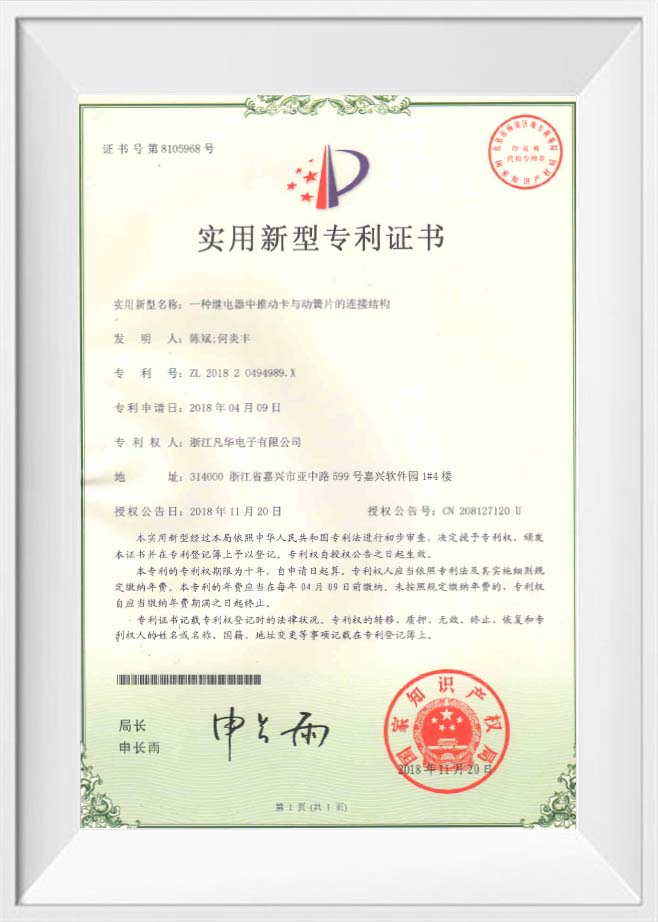
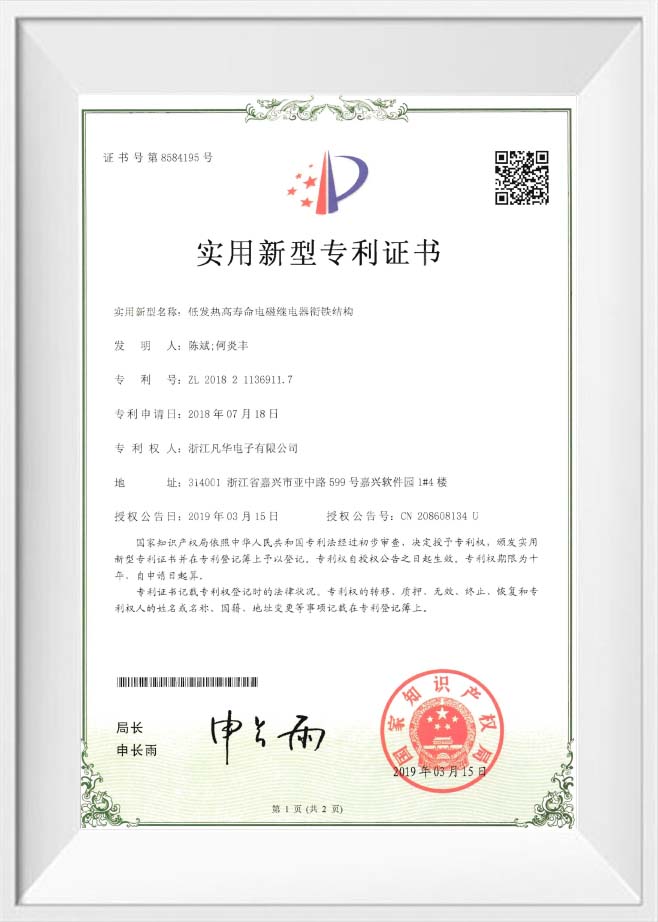
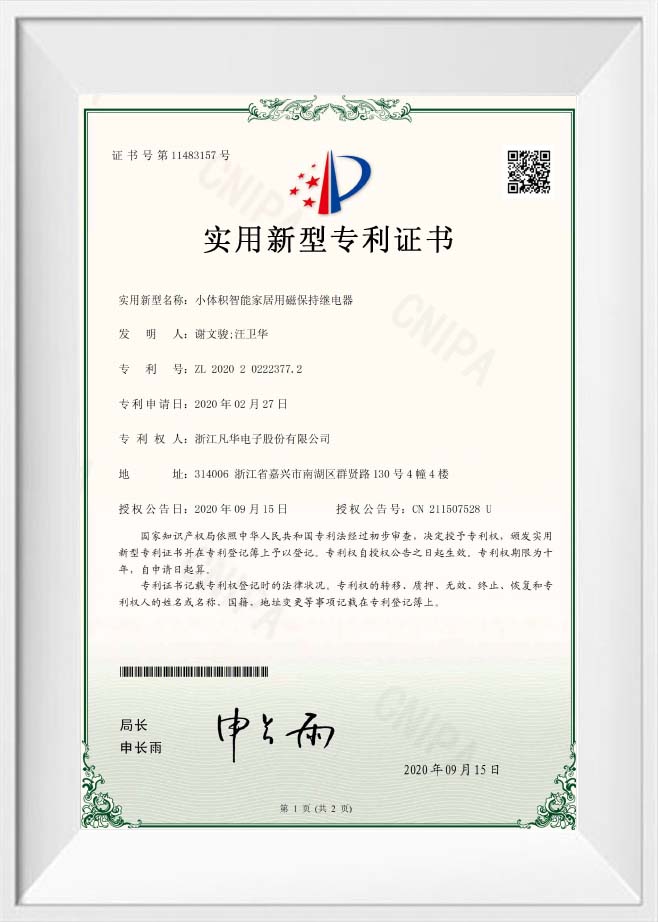
With a strong emphasis on technological innovation, we have been recognized as a National High-Tech Enterprise and a Provincial-level R&D Center, holding more than 50 national patents. Our products have obtained international certifications, including ISO 9001, ISO 14001, and ISO 45001, as well as authoritative UL, TUV, and CQC certifications, and are fully compliant with EU RoHS and REACH directives.
Maintaining a 98% delivery satisfaction rate, our products serve global industry leaders such as Huawei, Bull, and Eaton in smart home, industrial control, new energy, and power metering applications. Looking ahead, Fanhar Electronics will continue to expand production capacity and strengthen our presence in the new energy market, striving to become a leading provider of comprehensive relay solutions.
The eyes of the global electronics industry are once again turning to Munich, Germany. From November 10 to 13, 2026, the highly anticipated world-leading trad...
Read MoreFrom November 10 to 12, 2026, the globally anticipated Enlit Europe 2026 will grandly open at the Messe Wien Exhibition & Congress Center in Vienna, Austr...
Read MoreDesigning a latching relay circuit diagram is one of those tasks that looks complicated until you understand the core idea: the relay remembers its last state ...
Read MoreIn the fields of smart homes, commercial lighting, and industrial control, relays serve as key actuators for circuit switching, and their load capacity, safety...
Read MorePicture a design review for a smart meter or a DC fast-charging station. Sooner or later, someone asks the same question: how do we measure current without bre...
Read More