
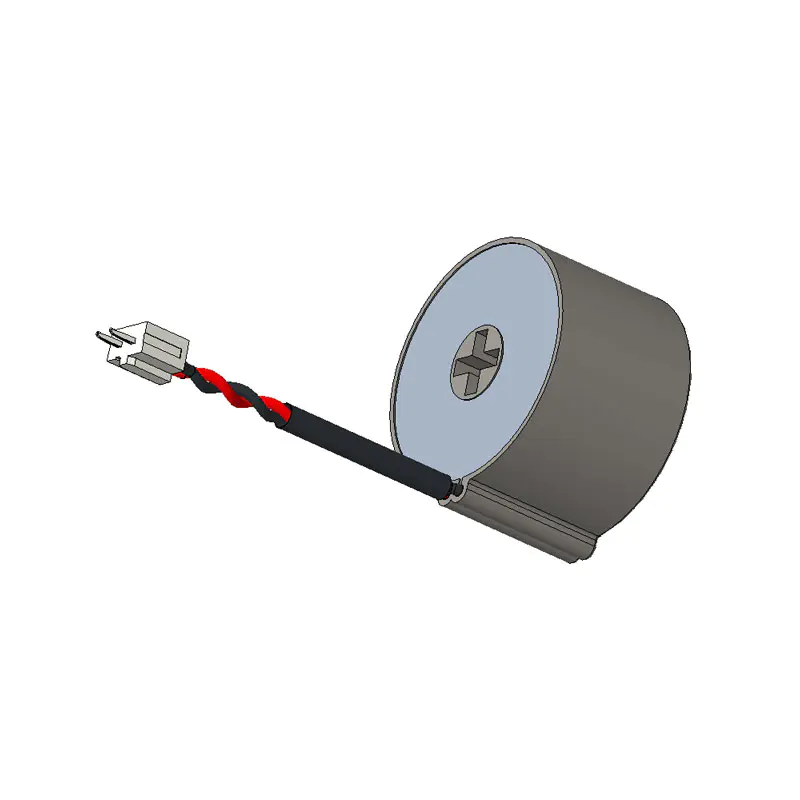
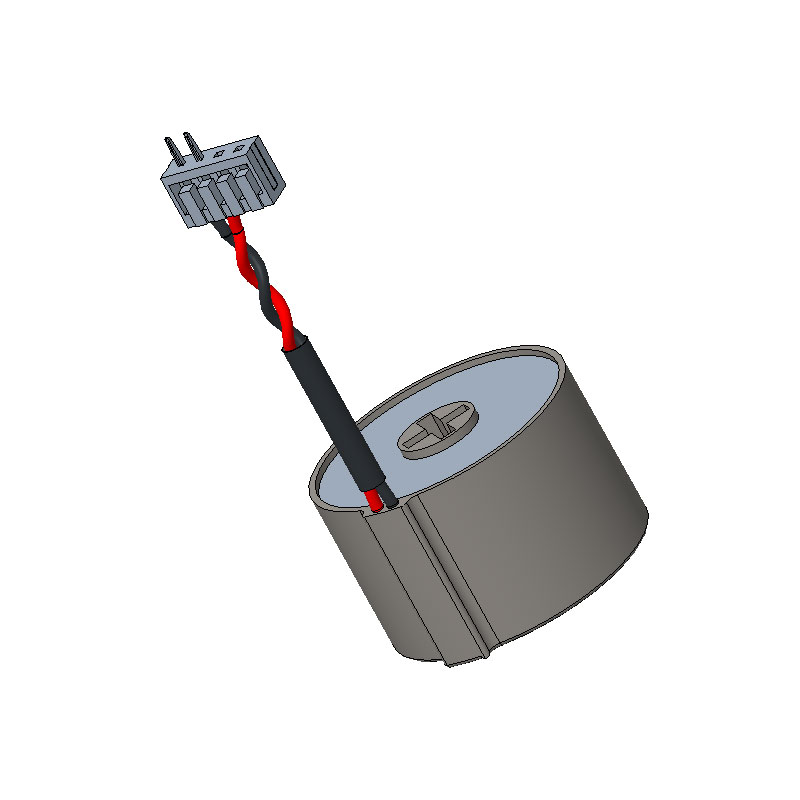
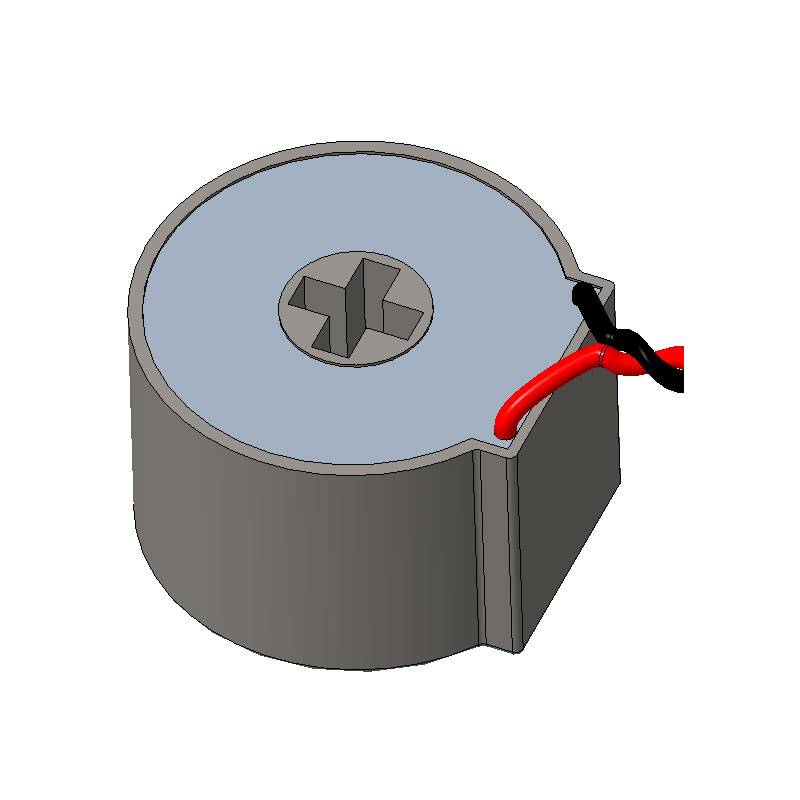
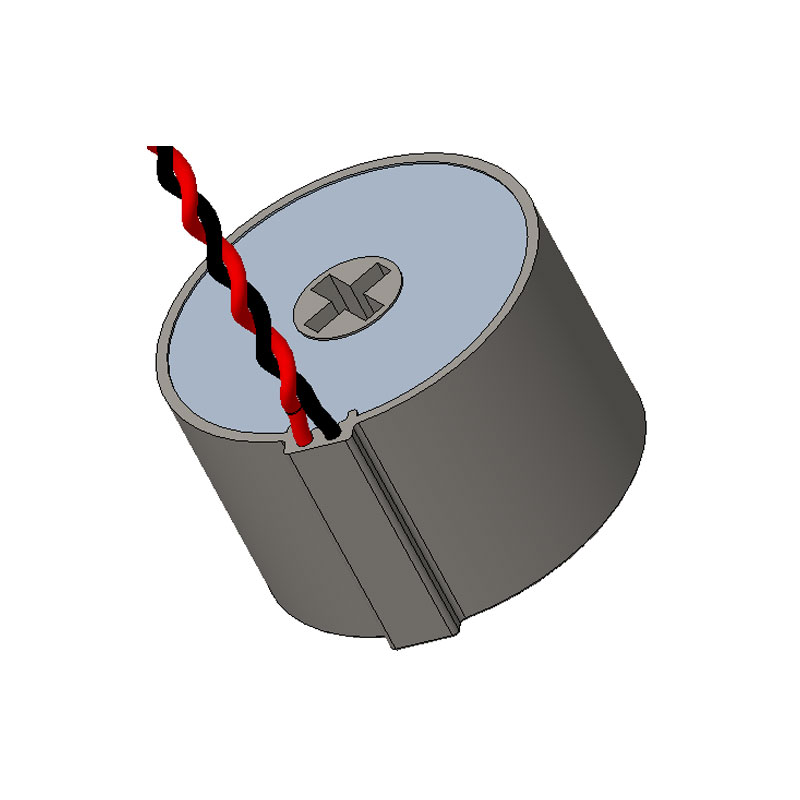
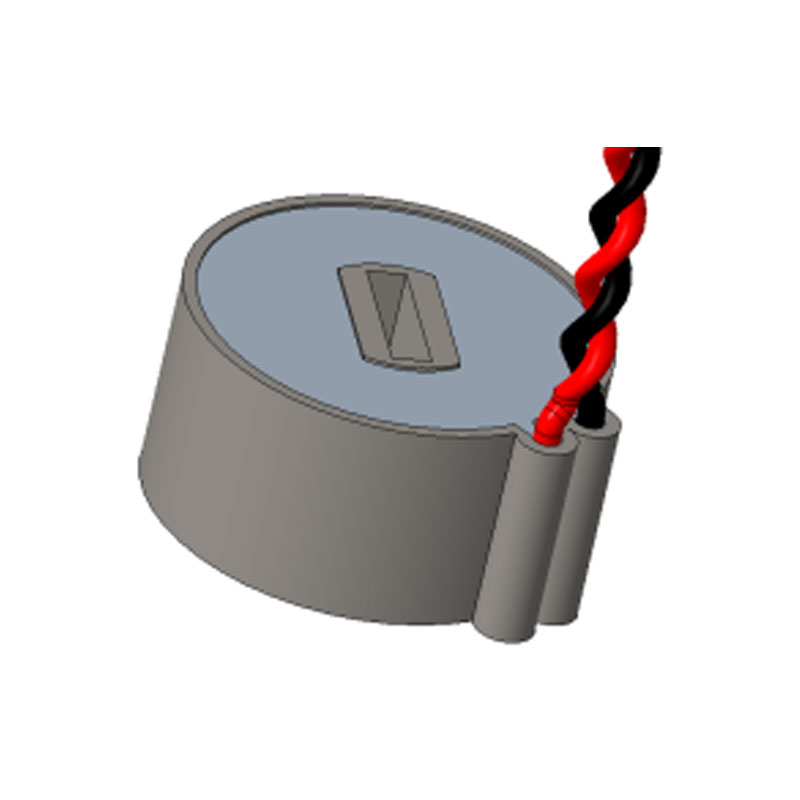
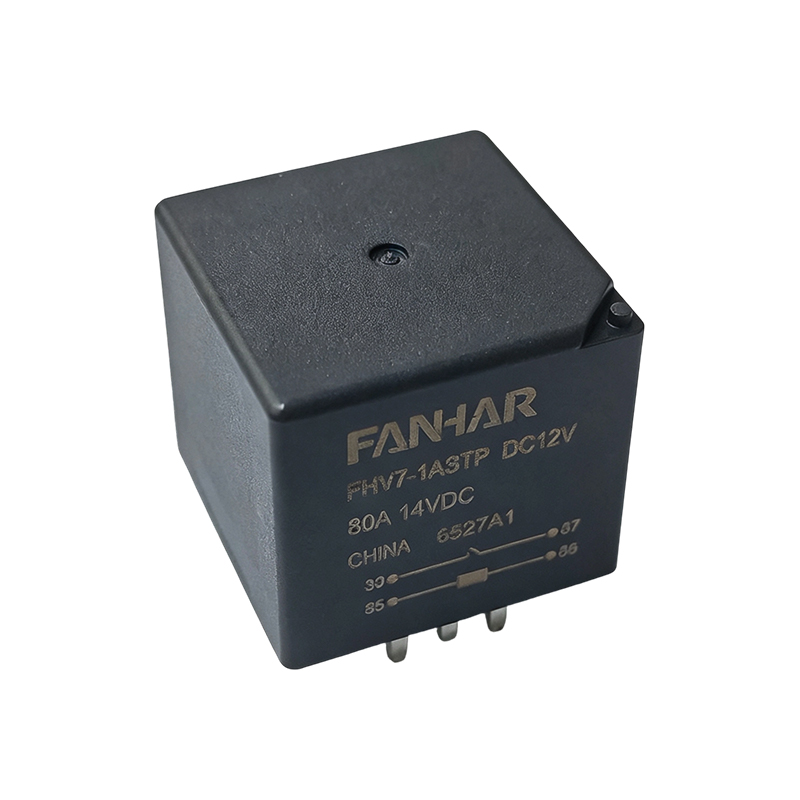
Custom relay configurations refer to relay products that are built or specified to match the exact electrical, mechanical, and environmental requirements of a particular application rather than being selected from a fixed catalog range. This approach is commonly used when standard relay offerings do not align with the coil voltage, contact arrangement, mounting format, or enclosure rating needed for a given control system, and it allows engineers to integrate switching components that fit precisely within existing panel layouts, wiring schemes, and control logic.
Configurable relay solutions are widely applied across industrial automation, power distribution, HVAC control, transportation systems, and equipment manufacturing, where consistent performance under specific load and environmental conditions is a priority. Because these products are tailored rather than mass-produced for general use, the configuration process typically involves close coordination between the buyer and the supplier to confirm technical parameters, compliance requirements, and delivery expectations before production begins.
Key Features of Custom Relay Configurations
Flexible Contact Arrangements
Contact configurations such as single-pole or multi-pole, normally open, normally closed, or changeover arrangements can be specified to match the switching logic required by the control circuit.
Adjustable Coil Specifications
Coil voltage and current characteristics can be aligned with the control system supply, reducing the need for additional interface components.
Mounting and Termination Options
Configurations can support PCB mounting, panel mounting, plug-in socket bases, or DIN rail installation, along with terminal types suited to the surrounding assembly.
Environmental and Enclosure Adaptation
Housing materials and sealing levels can be adjusted for exposure to dust, moisture, vibration, or elevated temperature depending on the operating environment.
Configuration Options and Customization Parameters
When defining a custom relay configuration, buyers generally work through a set of core parameters that determine how the finished component will perform within the target system:
- Coil voltage type — AC or DC coil operation matched to the control supply
- Contact configuration — including single-throw, double-throw, and multi-contact layouts
- Load rating category — general purpose, high current, or low signal switching
- Mounting format — plug-in, PCB, panel, or rail-mounted designs
- Enclosure type — open frame, sealed, or dust and moisture resistant housings
- Auxiliary features — indicator lamps, test buttons, or mechanical flag indicators where applicable
Suppliers offering configurable relay programs typically provide a structured intake process, where the buyer submits the operating requirements and receives a proposed configuration for review before manufacturing proceeds.
Installation and Maintenance Considerations
Even when a relay is custom-configured, installation practices should still follow general good practice for switching devices, including verifying coil compatibility before energizing, confirming contact ratings against the connected load, and ensuring secure termination to prevent loosening under vibration.
- Confirm the configuration documentation matches the intended coil voltage and contact layout prior to installation.
- Mount the relay according to the specified format, ensuring adequate clearance for heat dissipation.
- Periodically inspect contact surfaces and terminal connections as part of routine equipment maintenance.
- Retain configuration records for future replacement or reordering, since custom builds are not always interchangeable with standard catalog units.
Application Suitability Across Industries
Industrial Automation
Used within control panels to manage motor starters, sensors, and interlocking logic in production line equipment.
Power and Energy Systems
Applied in switchgear and distribution panels where specific load ratings and isolation requirements must be met.
HVAC and Building Systems
Integrated into climate control and building management systems requiring compact, application-specific switching components.
Transportation and Mobile Equipment
Configured for vibration resistance and sealed enclosures suited to vehicle-mounted control systems.
Standard Relays Compared with Custom Relay Configurations
| Criteria | Standard Catalog Relay | Custom Relay Configuration |
| Design flexibility | Limited to existing catalog variants | Adjusted to match specific system parameters |
| Fit within existing panel design | May require layout adjustment | Designed to align with existing footprint |
| Lead time | Generally shorter, stock-dependent | Typically longer due to configuration review |
| Suitability for niche applications | May not fully meet specialized requirements | Tailored to specialized operating conditions |
| Documentation | Standard datasheet | Configuration-specific technical documentation |
Sourcing and Procurement Considerations
For buyers evaluating suppliers of custom relay configurations, several factors are commonly assessed beyond the technical specification itself:
- Lead time transparency — clear communication of production timelines for configured orders
- Minimum order quantity flexibility — willingness to accommodate small-batch or prototype runs
- Certification and compliance support — ability to meet the regulatory requirements applicable to the target market
- Technical support during configuration — availability of engineering input during the specification stage
- Consistency across repeat orders — maintaining the same configuration accuracy for reorders
Frequently Asked Questions
Q1: What does a custom relay configuration typically include?
It generally includes a defined coil voltage, contact arrangement, mounting format, and enclosure type selected to match the requirements of the specific application, along with supporting technical documentation.
Q2: How is a suitable configuration determined for a specific application?
The buyer typically provides operating parameters such as supply voltage, load characteristics, and environmental conditions, which the supplier uses to propose a configuration for review before production.
Q3: What lead times are typical for custom-configured relays?
Lead times vary depending on the complexity of the configuration and whether new tooling or testing is required, and are generally longer than standard catalog products due to the review and validation process.
Q4: Can custom relays meet specific certification or compliance requirements?
Many suppliers can align configurations with applicable regional or industry compliance requirements, though this should be confirmed directly during the specification stage rather than assumed.
Q5: Is technical documentation provided for custom configurations?
Configuration-specific documentation is typically issued to confirm the agreed specifications, which supports future maintenance, replacement, or reordering.
Q6: What minimum order quantities apply to custom relay orders?
Minimum order quantities differ by supplier and by the complexity of the configuration, with some programs accommodating smaller prototype or trial orders before larger production runs.