 EN
EN
 English
 Español
 русский
 简体中文
简体中文

News
Content
- 1 How to Check a Relay on Your Vehicle: A Complete Diagnostic Guide
- 2 Understanding Vehicle Relays and Their Function
- 3 Identifying Relay Failure Symptoms
- 4 Tools and Equipment Needed for Relay Testing
- 5 Locating Your Vehicle's Relay
- 6 Testing Methods for Automotive Relays
- 7 Step-by-Step Testing Procedure Using a Multimeter
- 8 Understanding Relay Pin Configurations
- 9 Recognizing Different Relay Types in Vehicles
- 10 Troubleshooting Relay-Related Electrical Problems
- 11 Best Practices for Relay Replacement and Prevention
- 12 Common Relay Testing Mistakes to Avoid
- 13 Frequently Asked Questions About Relay Testing and Maintenance
- 13.0.1 Q1: How long do automotive relays typically last?
- 13.0.2 Q2: Can a relay be repaired, or must it be replaced?
- 13.0.3 Q3: Why did my relay fail suddenly without warning?
- 13.0.4 Q4: Can I test a relay while it's still installed in the vehicle?
- 13.0.5 Q5: What's the difference between normally open and normally closed relay contacts?
- 13.0.6 Q6: Is it safe to test a relay with the engine running?
- 13.0.7 Q7: Why would a relay pass my multimeter tests but still fail to operate the system?
- 13.0.8 Q8: Can I substitute one relay type for another if they look identical?
- 13.0.9 Q9: What causes relay clicking sounds without system activation?
- 13.0.10 Q10: How do I find the correct relay replacement if the label is worn off?
- 14 Conclusion: Mastering Relay Diagnostics for Vehicle Reliability
How to Check a Relay on Your Vehicle: A Complete Diagnostic Guide
Relays are critical electrical components in modern vehicles that manage power distribution and control essential functions like starting, cooling, lighting, and fuel injection. When a relay fails, it can leave you stranded or create dangerous driving conditions. Understanding how to check a relay allows vehicle owners and technicians to diagnose electrical problems quickly and efficiently. This comprehensive guide walks you through the testing methods, tools required, and troubleshooting strategies for maintaining relay functionality in your vehicle.
Understanding Vehicle Relays and Their Function
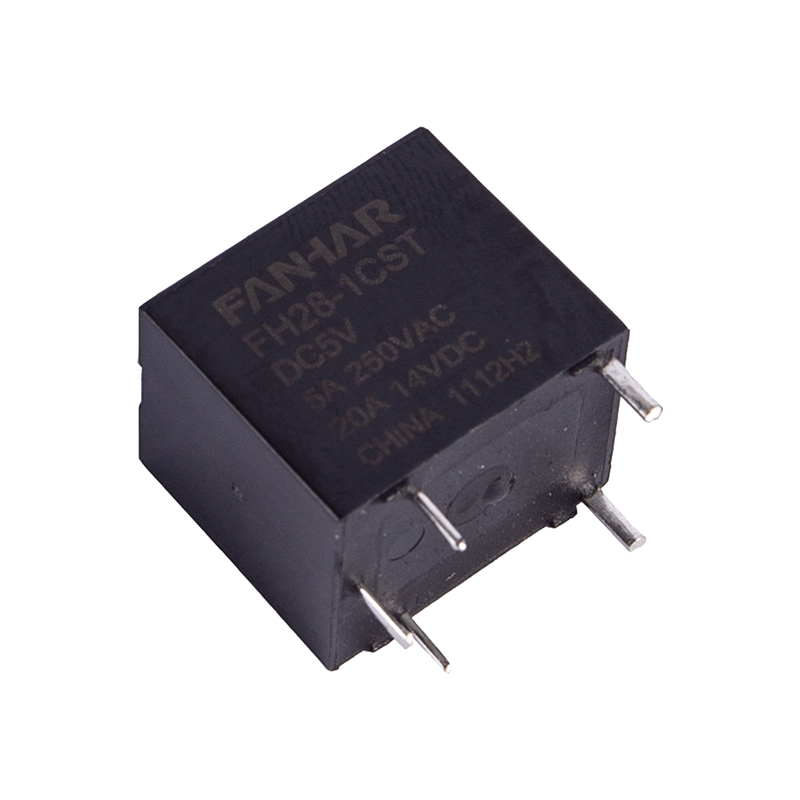
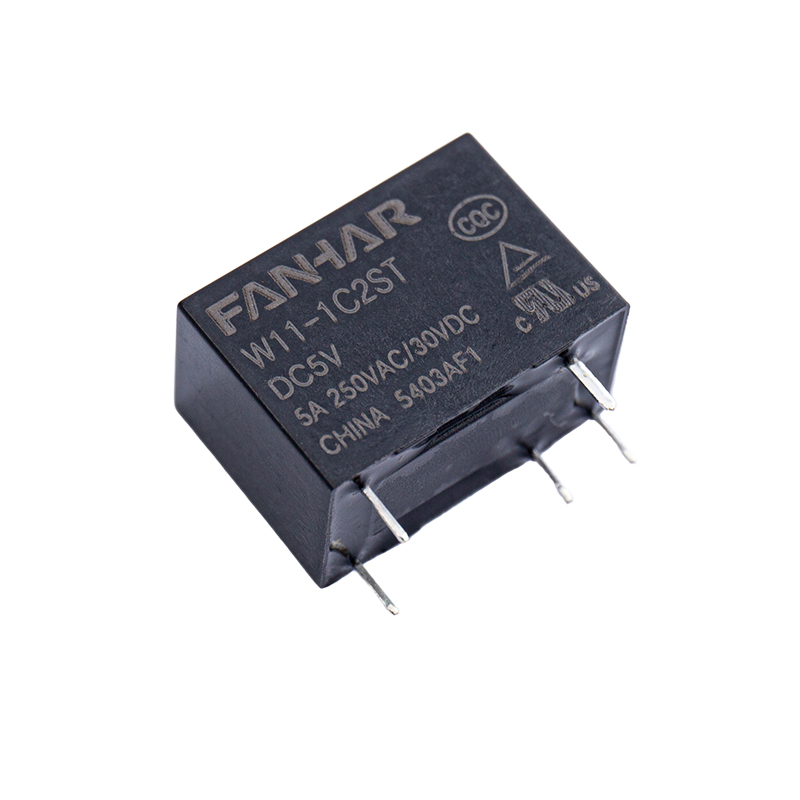
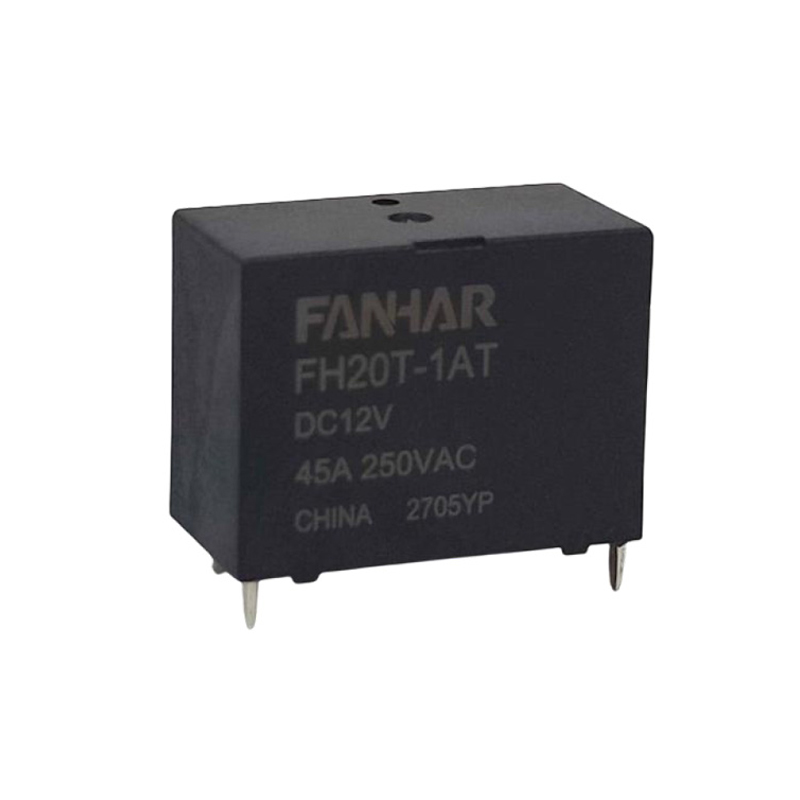
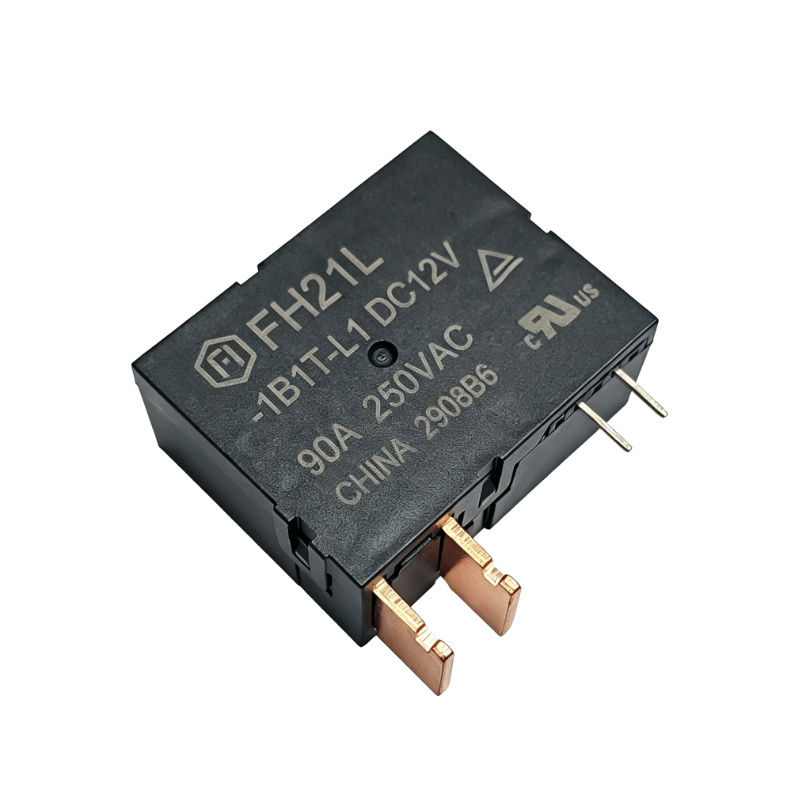
An electromechanical relay is an electromagnetic switch that uses a low-power signal to control a high-power circuit. In automotive applications, relays serve as intermediaries between the vehicle's control modules and power-consuming components. Rather than running large amounts of current through delicate sensors and switches, the relay receives a small control signal and activates or deactivates the main power circuit.
Common Relay Applications in Vehicles
Modern vehicles typically contain between 15 and 50 relays, depending on the make, model, and year. Key applications include:
- Starter motor engagement and disengagement
- Engine cooling fan operation
- Fuel pump activation
- Headlight and fog light control
- Horn and windshield wiper functions
- Air conditioning compressor engagement
- Power window and door lock systems
Internal Relay Structure and Operation
A typical electromechanical relay contains a coil, armature, spring, and contacts. When voltage is applied to the coil, it creates a magnetic field that pulls the armature, closing the contacts and allowing current to flow through the main circuit. When voltage is removed, the spring returns the armature to its resting position, opening the contacts and cutting power to the circuit. This design provides reliable switching with minimal maintenance.
Some modern vehicles incorporate PCB relay designs, where relay components are mounted directly on printed circuit boards. These solid-state or hybrid relays offer improved reliability, faster switching speeds, and better integration with vehicle computer systems compared to traditional electromagnetic relays.
Identifying Relay Failure Symptoms
Before testing a relay, recognize the warning signs that indicate a potential failure. These symptoms help you pinpoint which relay may be faulty and narrow down your testing efforts.
Common Relay Failure Indicators
- Engine cranks but fails to start
- Cooling fan remains off during engine overheating conditions
- Headlights flicker or fail to illuminate
- Power windows or door locks operate intermittently
- Horn does not sound when activated
- Multiple electrical systems fail simultaneously
- Clicking sounds from the engine bay with no engine cranking
- Check engine light or electrical fault codes appear
Distinguishing Relay Failure from Other Electrical Issues
Many symptoms attributed to relay failure could also indicate battery problems, blown fuses, or faulty switches. Pay attention to whether the failure is consistent or intermittent. Intermittent failures, where a system works occasionally and fails at other times, often point to relay issues. Consistent failures may suggest a dead battery, corroded connections, or bad fuses. Before removing and testing a relay, verify that your vehicle's battery is fully charged and all fuses are intact.
Tools and Equipment Needed for Relay Testing
Effective relay testing requires specific diagnostic tools. The choice of tools depends on the testing method you select and the level of detail you need for diagnosis.
Essential Testing Equipment
| Tool/Equipment | Purpose | Cost Range |
| Multimeter | Measure voltage, resistance, and continuity across relay terminals | $15-50 |
| Relay Tester Device | Automated testing of relay function without removal | $30-150 |
| Diagnostic Scanner | Read fault codes and monitor relay control signals | $50-200 |
| Jumper Wires | Manually apply power to relay coil during testing | $5-15 |
| 12V Power Supply | Provide controlled voltage for bench testing relays | $20-60 |
| Wiring Diagram | Identify relay location, pin configuration, and circuit details | Free-$50 |
Optional Advanced Testing Tools
For professional technicians, additional equipment enhances diagnostic accuracy. An oscilloscope allows you to visualize relay coil voltage signals and identify switching problems at the microsecond level. A clamp meter measures current flow through circuits without breaking connections, revealing whether relays are properly activating power circuits. Thermal imaging cameras can detect excessive heat generation in faulty relays, indicating resistance problems within the component.
Locating Your Vehicle's Relay
Every vehicle stores relays in specific locations to protect them and optimize circuit efficiency. Finding the correct relay is the first step in any testing procedure.
Typical Relay Locations
- Engine Bay Relay Box: Located near the battery or fuse panel, contains engine control relays including fuel pump, cooling fan, and starter relays
- Interior Fuse/Relay Panel: Typically under the dashboard on the driver's or passenger's side, holds auxiliary relays for lights, windows, and accessories
- Under Seat Modules: Some modern vehicles integrate relays into computer modules mounted beneath seats
- Integrated Control Units: Latest models embed relay functions within body control modules and ECUs
Using the Relay Diagram
Your vehicle's owner's manual or service documentation includes a relay diagram showing the location and function of every relay. Consult this diagram to identify the specific relay you need to test. The diagram typically indicates the relay's position in the panel, its designation number, and the circuit it controls. Some vehicles label relay boxes with a diagram on the inside of the cover, making identification convenient. If you lack documentation, online resources and dealer service advisors can provide accurate relay location information for your specific vehicle model.
Testing Methods for Automotive Relays
Several testing approaches allow you to diagnose relay problems with varying levels of complexity and accuracy. Choose the method that best matches your tools, expertise, and time availability.
Method 1: Visual Inspection and Resistance Testing
This basic method requires only a multimeter and provides quick preliminary insights into relay condition. First, remove the relay from its socket and examine the exterior for visible damage such as burn marks, corrosion, or cracks. These external indicators often correlate with internal component failure. Next, set your multimeter to the resistance measurement setting (ohms). Test the coil resistance by placing meter probes on the relay's coil terminals. A typical coil resistance ranges from 30 to 180 ohms depending on relay specifications. Zero resistance indicates an internal short, while infinite resistance suggests an open circuit. Both conditions indicate relay failure.
Method 2: Voltage Drop Testing
This method tests the relay while installed in the vehicle, providing real-world operating conditions. Set your multimeter to DC voltage mode. Locate the relay control signal wires and measure voltage at the relay coil terminals. When the system commanding the relay is activated, the coil should receive the specified control voltage (usually 12V for automotive systems). If no voltage appears despite the system being activated, the problem may lie upstream in the control circuit. If proper voltage reaches the relay but the controlled circuit remains inactive, the relay itself has likely failed. Repeat voltage measurements at the relay's output contacts to confirm power reaches the controlled circuit.
Method 3: Relay Substitution Test
When you suspect relay failure and have an identical spare relay available, substitution provides a definitive diagnosis. Power off the vehicle and remove the suspected relay. Install the identical replacement relay in the same socket. Power the vehicle back on and test the affected system. If the system now functions properly, the original relay was faulty. This method is particularly useful for diagnosing intermittent failures because it provides immediate, practical confirmation of relay condition. Always use an identical replacement relay to ensure voltage and current specifications match the original.
Method 4: Bench Testing with Manual Power Application
Remove the relay and test it outside the vehicle on a workbench. Connect a 12-volt power supply to the relay's control coil terminals using jumper wires. When you apply 12 volts to the coil, you should hear or feel a distinct clicking sound and feel the internal armature move. Set your multimeter to continuity or resistance mode and test the main contacts. With the coil de-energized, the contacts should show no continuity (infinite resistance). When you apply power to the coil, continuity should appear across the contacts (resistance near zero). If the relay fails to click when powered or contacts remain open under coil energization, the relay is defective and requires replacement.
Method 5: Using an Automated Relay Tester
Automated relay testing devices simplify diagnosis for both amateur and professional technicians. These tools automatically apply the correct voltage to relay coils, monitor contact closure, and provide pass/fail results. Simply insert the suspected relay into the tester's socket, select your relay type from the device menu, and press the test button. The tester cycles through coil voltage application, measures contact resistance, and displays results. Many modern relay testers include databases of thousands of relay specifications, allowing accurate testing of various relay types. These devices eliminate guesswork and provide repeatable, documented test results suitable for warranty claims and professional diagnostics.
Method 6: Diagnostic Scanner Analysis
Modern vehicles with onboard diagnostic systems allow relay testing through a diagnostic scanner connected to the OBD-II port. Advanced scanners display relay command voltages, monitor actual circuit response, and identify control signal problems. If the scanner shows the engine control module commanding a relay but the relay output remains inactive, the relay itself has failed. If the scanner indicates no control signal reaching the relay despite system activation requests, the problem exists in the control circuit upstream of the relay. This method provides the most comprehensive diagnostic information and often reveals problems other methods miss.
Step-by-Step Testing Procedure Using a Multimeter
Here's a detailed walkthrough of the most practical testing method available to vehicle owners with basic tools:
Step 1: Preparation and Safety
- Turn off the engine and remove the key from the ignition
- Disconnect the negative battery terminal to eliminate electrical hazards
- Allow the engine to cool if it was recently running
- Set up your multimeter and test it with known voltage sources to confirm proper operation
Step 2: Relay Removal and Visual Inspection
Locate the relay using your wiring diagram or owner's manual. Note the relay's position in the panel before removal. Carefully pull the relay straight out of its socket—do not force it, as excessive pressure can damage the socket. Examine the relay exterior for cracks, burn marks, or corrosion. Check the pins for bent, corroded, or damaged contacts. If visible damage exists, replacement is warranted without further testing.
Step 3: Testing the Coil Resistance
Set your multimeter to the ohms (resistance) setting. Identify the coil terminals on the relay—these are typically the two outer pins on the bottom of the relay. Place one meter probe on each coil terminal. A reading between 30 and 180 ohms indicates proper coil resistance. If the meter reads zero ohms, an internal short has occurred and the relay is failed. If the meter reads infinite ohms, an open circuit exists and the relay requires replacement.
Step 4: Testing the Main Contacts
Set the multimeter to continuity or ohms mode. Identify the main contact terminals on the relay—these are typically the center pin and one outer pin, or may be labeled as the normally open (NO) or normally closed (NC) contacts depending on relay type. With the relay de-energized, test the NO contact pair. The multimeter should show infinite resistance (no continuity). If continuity exists when the relay is unpowered, the contacts may have welded together, indicating failure.
Step 5: Simulated Coil Activation
Reconnect your vehicle's battery. Connect one end of a jumper wire to the positive battery terminal and the other end to one of the relay's coil terminals. Connect a second jumper wire from the other coil terminal to the negative battery terminal. You should hear or feel a distinct click as the relay activates. Immediately test the NO contacts with your multimeter set to continuity mode. The meter should show continuity (zero resistance) while the coil is energized. Remove the jumper wires and test the contacts again—they should return to infinite resistance as the relay de-energizes.
Step 6: Interpreting Results and Diagnosis
- Coil resistance normal, contacts switch properly: Relay is functional
- Coil resistance zero or infinite: Relay coil failure—replacement required
- Contacts remain open with coil energized: Contact failure—replacement required
- No audible click when coil energized: Internal mechanical failure—replacement required
- Contacts show continuity when de-energized: Welded contacts—replacement required
Understanding Relay Pin Configurations
Relays use standardized pin configurations that vary by type. Understanding these configurations is essential for correct testing and installation.
Four-Pin Relay Configuration
The most common automotive relay uses four pins arranged in a specific pattern. Pins 1 and 3 connect to the control coil, receiving the activation signal. Pins 2 and 4 form the main power contacts. When the coil is de-energized, the relay is in its default state—either normally open (NO) or normally closed (NC). When voltage is applied to the coil, the contacts switch to their alternative state. Standard four-pin relays can be identified by their distinctive shape and compact size. Testing these relays involves checking coil resistance between pins 1 and 3, then measuring contact continuity between pins 2 and 4 with and without coil energization.
Five-Pin Relay Configuration
Five-pin relays provide more sophisticated switching capability with both normally open and normally closed contacts available simultaneously. Pins 1 and 3 connect to the coil, while pins 2, 4, and 5 manage the switching contacts. Pin 2 serves as the common terminal connected to both NO and NC contacts. When the coil is de-energized, the circuit connects through the NC contact (pin 5). When the coil receives voltage, the circuit switches to the NO contact (pin 4). Testing five-pin relays requires checking coil resistance and then verifying both NO and NC contact switching behavior. These relays provide more versatile circuit control and are common in modern vehicles.
Reading Relay Markings
Most automotive relays include printed markings indicating their specifications and pin functions. Look for numbers indicating coil voltage (typically 12V), coil resistance in ohms, contact current rating in amps, and pin assignments. Some relays include a diagram showing which pins serve as coil terminals and which are contacts. Learning to read these markings helps you verify correct relay type and understand proper testing procedures. If markings are unclear or worn, consult your relay's datasheet or wiring documentation.
Recognizing Different Relay Types in Vehicles
Modern vehicles employ various relay technologies beyond traditional electromechanical relay designs. Understanding these differences helps you diagnose problems accurately.
Traditional Electromechanical Relays
These relays use an electromagnetic coil to mechanically move internal contacts, providing reliable switching for decades. Electromechanical relay designs remain common in engine bay applications where durability and simplicity are valued. They produce an audible click when energized, making them easy to test and diagnose. These relays are relatively inexpensive and highly reliable when properly rated for circuit requirements. However, they have slower switching speeds and generate electromagnetic interference compared to newer technologies.
PCB-Mounted Relay Designs
Modern vehicles increasingly use PCB relay designs where relay components are integrated directly into printed circuit boards. These designs offer compactness, integration with other electronic components, and improved reliability in harsh automotive environments. PCB relay units may include built-in protective circuitry, reverse polarity protection, and thermal management features. Testing PCB relay components requires more sophisticated equipment like diagnostic scanners, as these relays often integrate with vehicle computer systems rather than functioning as independent components. Many PCB relay modules cannot be tested using traditional multimeter methods.
Solid-State Relays
Solid-state relays use semiconductor technology to switch circuits without moving parts. These relays offer extremely fast switching, longer lifespan, and reduced electromagnetic interference. However, they cannot be tested using traditional bench methods and require diagnostic scanning or specialized solid-state relay testers. Solid-state relays are becoming more common in climate control, lighting, and power distribution systems.
Time-Delay and Programmable Relays
Advanced relay designs incorporate timing circuits and programmable logic to manage complex switching sequences. Engine cooling fan relays often include time-delay functions to prevent rapid on-off cycling. These sophisticated relays cannot be properly tested without the exact activation conditions they encounter in the vehicle. Diagnosis typically requires professional scanning equipment and comparison to manufacturer specifications.
Troubleshooting Relay-Related Electrical Problems
Once you've determined whether a relay is faulty, systematic troubleshooting helps identify whether the problem actually lies in the relay or elsewhere in the circuit.
Testing the Control Circuit
If a relay tests functional but the associated system still malfunctions, the problem exists in either the relay's control circuit or the power circuit. Measure voltage at the relay's coil terminals while the system is activated. You should see 12 volts across the coil terminals. If voltage is absent, the control circuit has failed—check for broken wires, corroded connections, faulty switches, or blown fuses upstream of the relay. If voltage appears at the coil but the relay does not click, check that the coil ground wire is properly connected.
Testing the Power Circuit
After confirming the relay coil responds to control signals, measure voltage at the relay's power output terminals. With the relay energized, full battery voltage should appear at the output. If the relay clicks but no voltage reaches the output, test for a blown fuse, corroded contacts, or broken wires in the power path. A voltage drop greater than 0.5 volts between relay output and the load indicates excessive resistance in the connections or wiring. Clean corroded connections and repair any damaged wires to restore proper circuit function.
Identifying Intermittent Relay Failures
Intermittent electrical failures that happen unpredictably are frustrating to diagnose. These failures often indicate relay contact pitting or internal corrosion that causes intermittent open circuits. Test suspected intermittent relays by removing them and visually inspecting the contacts for blackening or pitting. Clean the relay contacts with a contact cleaner and reinstall. If failure recurs, replacement is necessary as internal corrosion will progressively worsen. For future prevention, ensure relays receive proper voltage—overvoltage conditions (above 14.5 volts) accelerate contact degradation.
Distinguishing Relay Failure from Load Problems
A relay that tests functional but cannot start an engine or operate a motor might be attempting to switch on a faulty component. If a relay clicks and voltage reaches the load but the load doesn't operate, the problem lies with the load, not the relay. For example, a fuel pump relay that clicks and supplies voltage is functioning correctly if the pump doesn't operate—the pump itself may be failed. This distinction saves you from unnecessarily replacing relays when the actual problem requires different repairs.
Best Practices for Relay Replacement and Prevention
Proper replacement and maintenance practices extend relay lifespan and prevent premature failure.
Selecting the Correct Replacement Relay
Always replace a failed relay with an identical unit matching the original specifications. Using an incorrect relay can damage circuits or create safety hazards. Verify the coil voltage (12V for automotive), the contact configuration (4-pin or 5-pin), the contact current rating (typically 20 to 30 amps), and the specific relay type (general purpose, time delay, latching, etc.). Keep the original relay available for comparison when selecting a replacement, or consult your wiring diagram for complete specifications. Using an electromechanical relay or PCB relay meeting exact specifications ensures reliable operation and system compatibility.
Proper Installation Techniques
- Ensure the vehicle is powered off and the battery is disconnected before replacement
- Note the relay orientation before removal to ensure correct reinstallation
- Insert the new relay straight into the socket without forcing
- Ensure the relay sits completely in the socket with no visible gaps
- Reconnect the battery and test the affected system for proper operation
Preventive Maintenance Strategies
Proper vehicle maintenance reduces relay failure rates significantly. Maintain your battery in good condition—weak batteries force relays to work harder, reducing their lifespan. Keep electrical connections clean and corrosion-free by periodically inspecting and cleaning battery terminals and ground straps. Ensure your vehicle's charging system maintains voltage between 13.2 and 14.5 volts during operation; excessive voltage damages relay coils and contacts. Protect relays from excessive heat by keeping engine bay temperatures within normal ranges. Address any electrical system faults immediately—symptoms like flickering lights or intermittent operation indicate worsening relay conditions that will fail completely if left unrepaired.
Relay Testing Schedule
Most automotive relays function reliably for 10-15 years under normal conditions. However, relays in vehicles experiencing electrical stress, frequent short trips, or extreme temperatures may fail sooner. Include relay inspection in your annual vehicle maintenance routine. Test critical relays like the starter motor and fuel pump relay at each service interval. Replace relays that show signs of corrosion or degradation before complete failure strands you on the road. Proactive relay maintenance prevents emergency repairs and maintains reliable vehicle operation.
Common Relay Testing Mistakes to Avoid
Even experienced technicians occasionally make testing errors that lead to incorrect diagnoses.
Critical Testing Errors
- Replacing a functional relay: Always test before replacing. A working relay in the wrong circuit will still fail to solve the problem.
- Using incorrect test voltage: Applying the wrong voltage to relay coils damages them permanently. Verify your power source provides exactly 12 volts for automotive relays.
- Ignoring connection corrosion: Corroded connections create high resistance that mimics relay failure. Clean all connections before concluding a relay is bad.
- Testing with the battery disconnected: Some multimeters lack sufficient internal battery power to properly test relay coil resistance. Use a powered multimeter or external power source.
- Confusing relay types: Installing a 5-pin relay in a 4-pin socket or vice versa causes complete system failure. Verify relay type before installation.
- Overlooking the actual problem: A relay may test functional while the true fault lies in a blown fuse, cut wire, or faulty load component.
Frequently Asked Questions About Relay Testing and Maintenance
Q1: How long do automotive relays typically last?
Properly functioning relays generally last 10-15 years or more depending on operating conditions. However, relays in vehicles experiencing high electrical loads, voltage fluctuations, or exposure to moisture and heat may fail within 5-7 years. Regular testing and inspection help identify deteriorating relays before complete failure occurs.
Q2: Can a relay be repaired, or must it be replaced?
Automotive relays are sealed components that cannot be economically repaired. Internal contact damage, coil shorts, and mechanical failures require complete replacement. Attempting to repair relays risks creating safety hazards and unreliable operation. Always replace failed relays with new units meeting manufacturer specifications.
Q3: Why did my relay fail suddenly without warning?
Relay failures often result from electrical stress rather than sudden mechanical problems. Overvoltage from a faulty charging system, exposure to moisture causing internal corrosion, or excessive current demand from a failing load can degrade relay contacts until complete failure occurs. Many relay failures appear sudden only because the operator didn't notice earlier intermittent operation warnings.
Q4: Can I test a relay while it's still installed in the vehicle?
Yes, voltage drop testing and control circuit testing can be performed on installed relays. However, some tests like coil resistance measurement and contact switching verification require relay removal. Removing the relay from the vehicle provides more comprehensive testing capability and allows bench testing with external power.
Q5: What's the difference between normally open and normally closed relay contacts?
Normally open (NO) contacts are open circuits when the relay coil is de-energized. When voltage is applied to the coil, the contacts close and allow current to flow. Normally closed (NC) contacts work opposite—they allow current flow when de-energized and open the circuit when the coil receives voltage. Circuit design determines which contact type is needed for each application.
Q6: Is it safe to test a relay with the engine running?
Testing with the engine off is safer and more practical. However, some voltage drop tests require the engine running to measure actual control signal voltages. If you must test while the engine runs, use extreme caution to keep loose clothing, jewelry, and tools away from moving engine components. Always disable the starter motor by disconnecting the battery's negative terminal before beginning any relay testing work.
Q7: Why would a relay pass my multimeter tests but still fail to operate the system?
A relay can test functional using a multimeter yet fail under actual operating conditions if it cannot handle the circuit's power demand. A relay rated for 20 amps may pass continuity tests but fail to operate a 25-amp fuel pump. Additionally, intermittent contact failures may only occur under specific temperature or vibration conditions not replicated during bench testing. These situations require substitution testing or professional scanning equipment for accurate diagnosis.
Q8: Can I substitute one relay type for another if they look identical?
Never substitute relay types without confirming identical specifications. Different relays may have identical physical dimensions but vary in coil voltage, contact current rating, or timing characteristics. Installing an incorrect relay can damage the control circuit, overload the electrical system, or create safety hazards. Always verify specifications against the original relay or wiring documentation before installation.
Q9: What causes relay clicking sounds without system activation?
Continuous clicking from a relay typically indicates an unstable control signal or intermittent contact issue within the relay itself. A control circuit that cannot maintain steady voltage causes the relay to repeatedly click on and off. A faulty relay with degraded contacts may click inconsistently. Clicking without corresponding system activation indicates the relay fails to complete the power circuit, suggesting contact failure.
Q10: How do I find the correct relay replacement if the label is worn off?
Count the relay pins and measure the relay's physical dimensions. Note the configuration (typically 4-pin or 5-pin). Check your vehicle's wiring diagram or contact a dealership with your vehicle's identification number (VIN) for exact relay specifications. Online resources and relay databases can identify relays based on physical characteristics and wiring patterns. Always verify the replacement meets your specific vehicle's requirements before installation.
Conclusion: Mastering Relay Diagnostics for Vehicle Reliability
Testing automotive relays empowers vehicle owners and technicians to diagnose electrical problems systematically rather than through expensive trial-and-error replacement. Understanding relay function, recognizing failure symptoms, and applying practical testing methods allows confident diagnosis of whether relays are functioning properly or require replacement. Whether using basic multimeter testing or advanced diagnostic scanning, the fundamental principles remain consistent: verify coil voltage delivery, confirm contact switching behavior, and identify the actual failure location.
Modern vehicles increasingly incorporate sophisticated PCB relay designs and solid-state switching technologies that require professional diagnostic equipment. However, traditional electromechanical relay components remain prevalent in engine bay applications where their reliability and simplicity continue to provide dependable service. Whether diagnosing traditional or modern relay systems, the testing principles outlined in this guide provide the foundation for accurate problem identification.
Invest in a quality multimeter and familiarize yourself with relay testing procedures. This knowledge prevents unnecessary relay replacements, saves diagnostic time, and ensures your vehicle's electrical systems operate reliably. Regular maintenance, prompt diagnosis of electrical faults, and proactive relay inspection extend the lifespan of these critical components and maintain consistent vehicle performance. With the comprehensive testing methods and troubleshooting strategies provided here, you can confidently address relay-related electrical problems and keep your vehicle operating safely and reliably for years to come.
 Previous