 EN
EN
 English
 Español
 русский
 简体中文
简体中文

News
Home / News / Industry News / Relay Phase-Loss Protection Technology: Principles, Applications and Development Trends
Content
As a core component of electrical control system, relay plays an irreplaceable role in the field of electric power protection. Among them, phase loss protection is an important function of relays, which is directly related to the safe operation of motors and other electrical equipment. This article will comprehensively analyse the working principle, typical application scenarios, technical difficulties and latest development trends of phase-loss protection of relays to help readers deeply understand the importance of this key technology in modern industry.
Phase loss refers to the loss or disconnection of any one phase in a three-phase power supply, or an open circuit in one phase of a motor winding, contactor, fuse, circuit breaker, terminal or other link, resulting in asymmetric operation of the three-phase circuit. Common causes include:
Phase loss refers to the phenomenon in which any one phase of the power supply in a three-phase power system is missing. It is one of the main causes of burnout of three-phase asynchronous motors. When a three-phase motor loses a phase during operation, a negative-sequence current component is generated, causing three-phase current imbalance or excessive current, which in turn causes the motor winding to burn out instantly. According to statistics, about 40% of motor faults are related to power supply phase loss.
Phase-loss protection usually determines faults through the following methods:
Relay phase-loss protection determines whether a phase-loss fault has occurred by monitoring current or voltage abnormalities in the three-phase circuit. For motors with star (Y) connection, since the line current is equal to the phase current, ordinary thermal relays can provide effective protection. However, for motors with delta (Δ) connection, since the phase current is not equal to the line current, ordinary thermal relays may not operate in time, and special phase-failure protection relays must be used.
Thermal relays with phase-failure protection use a differential mechanism composed of an upper guide plate, a lower guide plate and a lever. When a phase is disconnected, the bimetallic strip of that phase cools and resets, pushing the upper guide plate to move to the right, while the bimetallic strips of the other two phases continue to bend under heat, pushing the lower guide plate to move to the left, thereby triggering the protection action through differential action.
Ordinary thermal relays push the actuator through the bending of bimetallic strips under heat, but their protection effect on delta-connected motors is limited.
Differential thermal relays solve this problem through a special structural design. When phase loss occurs, the bimetallic strip on the phase-loss side cools and resets, while the other two phases continue to bend under heat, triggering protection through differential action.
Three low-voltage relays with adjustable dropout voltage are used; their coils are star-connected, and the common node is connected to the neutral line.
The disadvantage is insufficient sensitivity. When the motor loses a phase, a relatively high voltage may still be maintained, resulting in delayed protection.
It integrates a microprocessor and advanced sensing technology, can simultaneously monitor multiple parameters such as current and voltage, and realizes all-round protection.
Solid-state relays (SSRs) use semiconductor devices to realize contactless switching and have the advantages of fast response, long life, no arc and high switching frequency. They themselves are mainly used for switching on and off, rather than for phase-loss detection. In high-voltage DC or high-frequency AC applications, solid-state relays can be used as fast cut-off elements in combination with electronic detection modules.
In high-voltage systems of new energy vehicles, high-voltage relays and solid-state switches are used for switching battery management, pre-charging, charging and motor control circuits. It should be noted that there is no traditional "phase loss" in high-voltage DC systems, but phase failure faults may still occur in three-phase drive motors and inverter outputs, requiring special diagnostic and protection strategies.
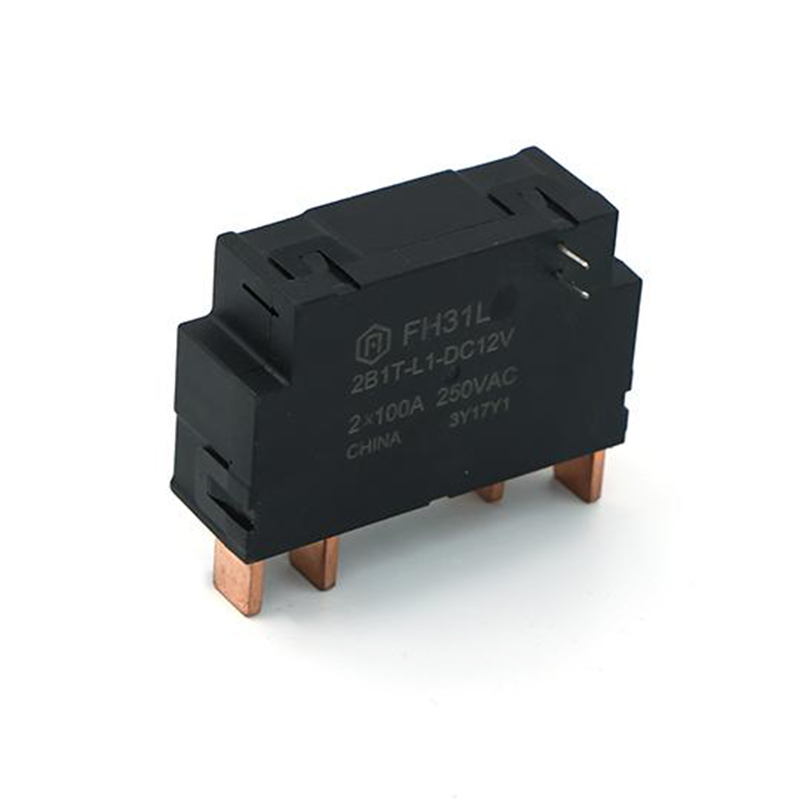 FH31L 80A Latching Relay with Single or Double Coil OptionsThis 80A latching relay supports both single and double coil configurations on the same footprint, making it a flexible choice for smart meters that need UC2 compliance and low standby power.View Product →
Solutions include using dedicated phase-failure protection relays, motor comprehensive protectors, or designing auxiliary protection circuits.
The dropout voltage range of ordinary contactors is between 0.2Us and 0.7Us, which may cause phase-loss protection to fail.
A more feasible solution is to adopt a protection strategy based mainly on current protection.
Preventive measures include selecting reliable-quality products, regular testing and maintenance, redundant design, and using intelligent relays with self-diagnosis functions.
Relays can be used to disconnect the photovoltaic system from the grid when a grid fault occurs, achieving fast protection.
Resistive loads, inductive loads and capacitive loads have different requirements for relay characteristics.
Ensure that the relay rating is higher than the maximum operating parameters of the system.
Environmental factors such as high temperature, high humidity and vibration affect relay selection.
Different requirements such as basic protection, intelligent monitoring or remote control determine the product type.
| Selection Dimension | Key Question | Recommendation |
|---|---|---|
| Load type | Resistive, inductive, capacitive, motor load | For motor loads, select according to AC-3/AC-4 utilization categories |
| Voltage level | System rated voltage, insulation voltage | Relay rating should be higher than the maximum system operating voltage |
| Current level | Rated current, starting current, overload multiple | Leave sufficient margin, considering starting and locked-rotor conditions |
| Protection function | Phase loss, overload, short circuit, imbalance, leakage | Select a comprehensive protector for important equipment |
| Environmental conditions | Temperature, humidity, altitude, vibration, pollution | Select corresponding protection degree and materials |
| Installation method | DIN rail, panel, embedded | Match the cabinet structure and wiring |
| Communication requirements | Remote monitoring, data upload, linkage | Select Modbus, CAN, Ethernet and other interfaces |
| Certification requirements | UL,TUV,CQC,IEC | Select according to industry and export requirements |
| Fault Phenomenon | Possible Cause | Troubleshooting Direction |
|---|---|---|
| Contact sticking | Overcurrent, arc, contact burning | Check load current, arc extinguishing and contact status |
| Coil burnout | Overvoltage, moisture, frequent operation | Measure coil voltage and insulation |
| Mechanism jamming | Dust, rust, mechanical wear | Clean, lubricate or replace |
| False tripping | Voltage fluctuation, improper setting, interference | Re-set, check wiring and shielding |
| Failure to trip | Setting too high, detection circuit fault | Verify operating value, check transformers and signal circuits |
| Communication abnormality | Address conflict, cable fault, interference | Check protocol, terminating resistor and grounding |
Phase-loss protection for key equipment such as water pumps, fans and compressors.
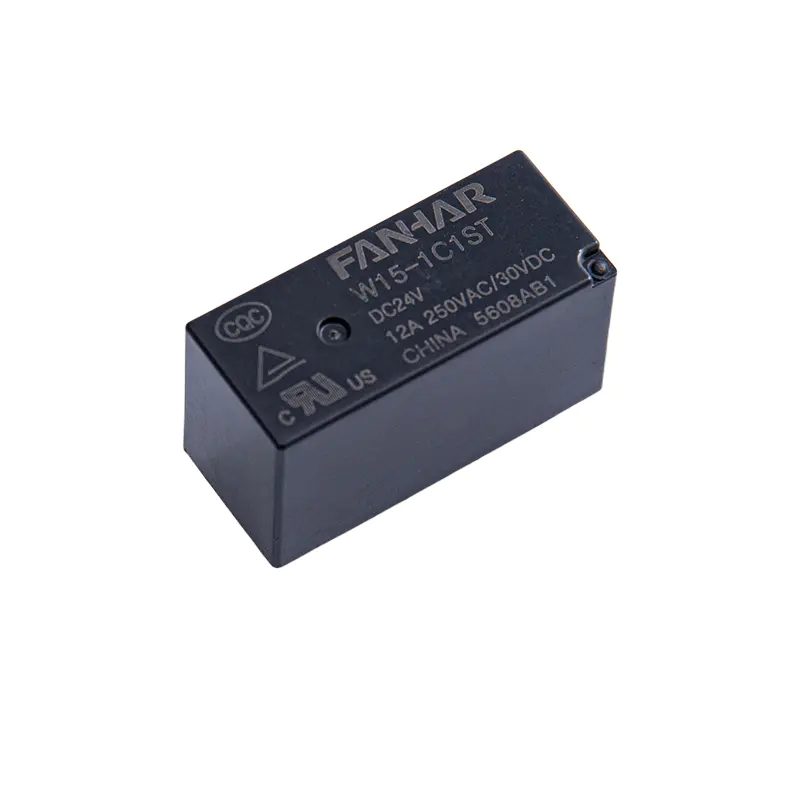 W15-1 16A 20A Power RelayThe W151 is a power relay featuring a single normally-open (1 Form A) contact, designed for reliable switching in industrial control and power management applications..View Product →
Circuit protection for battery management, motor control, charging systems and other links.
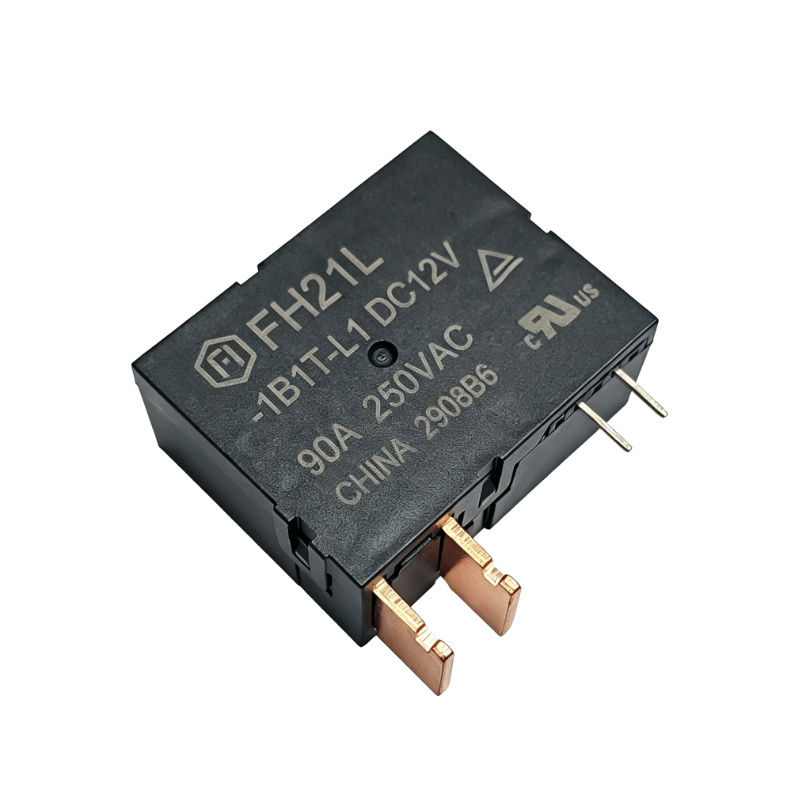
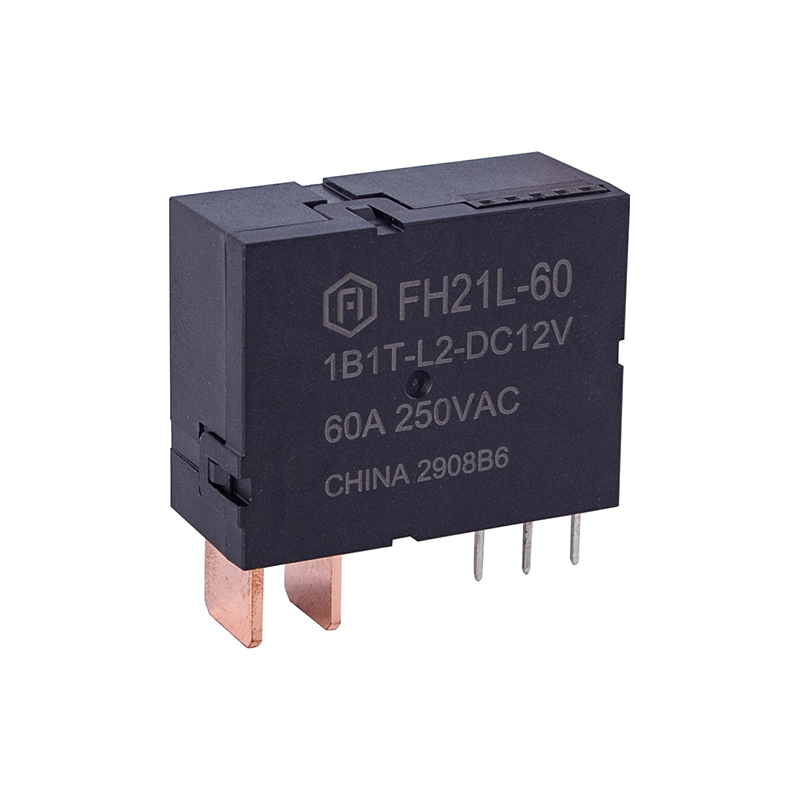
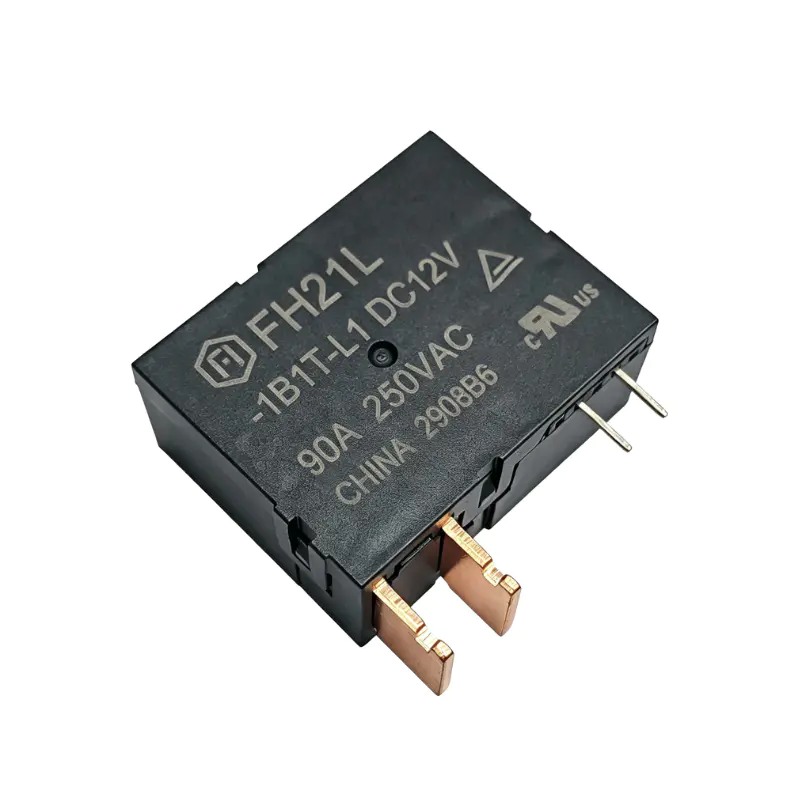 FH21L 90A Latching Relay TUV CompliantThe FH21L is a 90A electric latching relay with high switching capability and RoHS compliance.View Product →
Applications such as inverter protection, grid connection switching and energy storage management.
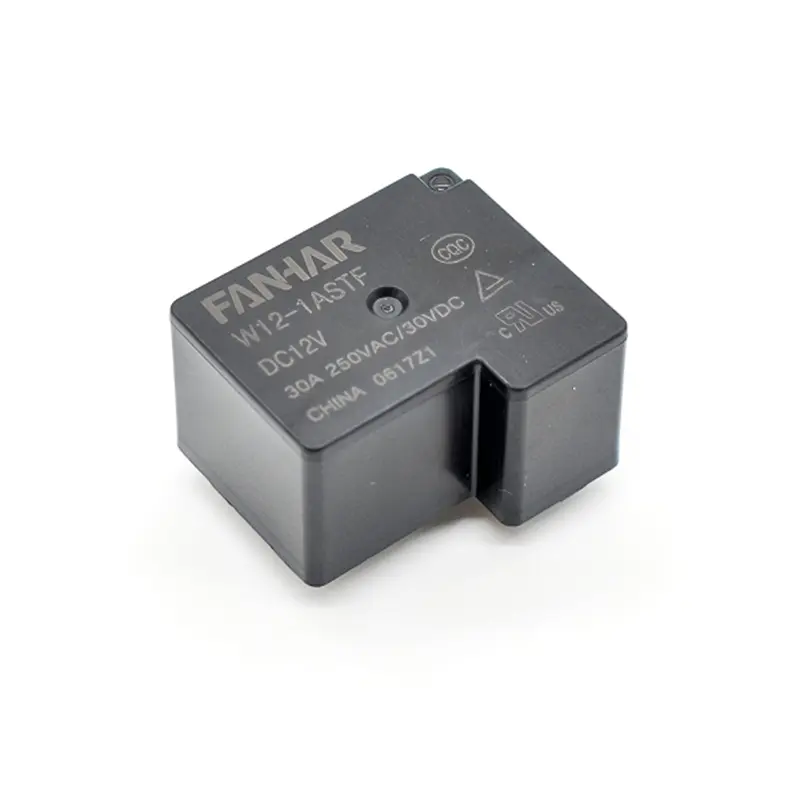 W12 30A 40A Power RelayThe Fanhar W12 is a compact 40A power relay featuring a 4KV breakdown voltage, UL/TUV/CQC certifications, and a PCB-mount design, making it ideal for EV charging, photovoltaic systems, and industrial control applicationsView Product →
Power monitoring of important loads such as elevators and air conditioners.
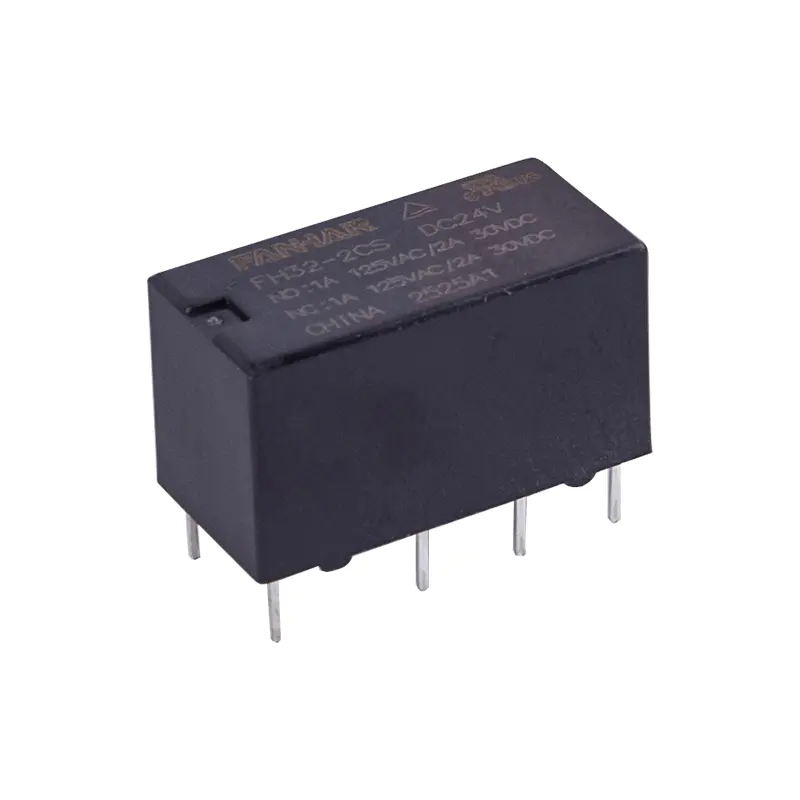 FH32 1A 2A Signal RelayThe FH32 relay line carries UL, TUV, and CQC certifications, reflecting compliance with major international safety and quality standards. Fanhar itself operates under ISO9001, ISO14001, and ISO45001 management systems, and its products fully comply with EU RoHS and REACH directivesView Product →
They are often used interchangeably in engineering. Strictly speaking, "phase loss" emphasizes the loss of one phase or a severe voltage drop in a three-phase power supply; "phase failure" emphasizes an open circuit in one phase of the circuit. In actual protection, both are usually treated as phase-loss faults.
No. Phase-loss protection mainly targets phase failure and severe imbalance; short-circuit protection requires circuit breakers or fuses; overload protection requires relays or electronic overload protection. Complete protection should coordinate with one another.
For star (Y)-connected motors, it can provide a certain degree of protection when properly set; for delta (Δ)-connected motors, the protection effect of an ordinary relay is limited and may be delayed or fail to trip.
Mainly load type, rated voltage, rated current, starting current, connection method (Y/Δ), protection functions, operating time, installation method, environmental conditions, communication requirements and certification requirements.
Phase loss or grid phase loss may occur on the AC side of a three-phase grid-connected inverter. Grid-connected contactors, relays or comprehensive protection devices should be configured to disconnect quickly in the event of a fault, and attention should be paid to anti-islanding, DC-side arcs and insulation monitoring.
If you have any questions, please fill out the contact form at the bottom of the page and contact us.

 Previous