 EN
EN
 English
 Español
 русский
 简体中文
简体中文

News
Content
- 1 How Relays and Fuses Each Protect a Circuit
- 2 Relay vs Fuse vs Circuit Breaker: A Side-by-Side Comparison
- 3 Why Shunts and Protection Diodes Matter in Relay Circuits
- 4 How to Recognize a Faulty Relay Before It Fails
- 5 Choosing Between Relay-Based and Fuse-Based Protection
- 6 Visualizing the Difference: Circuit Flow With Relay Protection
- 7 Maintenance Practices That Extend Component Life
- 8 Frequently Asked Questions
- 8.0.1 Q1: What is the core difference between relay and fuse protection?
- 8.0.2 Q2: Can a relay replace a fuse in a protection design?
- 8.0.3 Q3: What does a relay fusible combination typically refer to?
- 8.0.4 Q4: How does a shunt differ from a fuse in a circuit?
- 8.0.5 Q5: What causes most relay failures in the field?
- 8.0.6 Q6: How can I tell if a relay has failed versus a wiring fault?
How Relays and Fuses Each Protect a Circuit
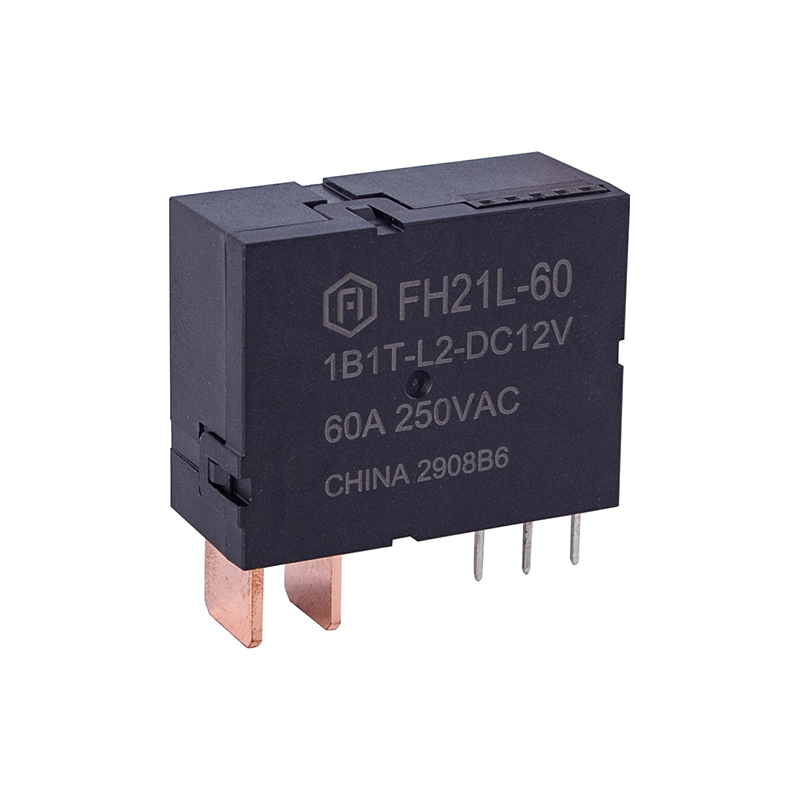
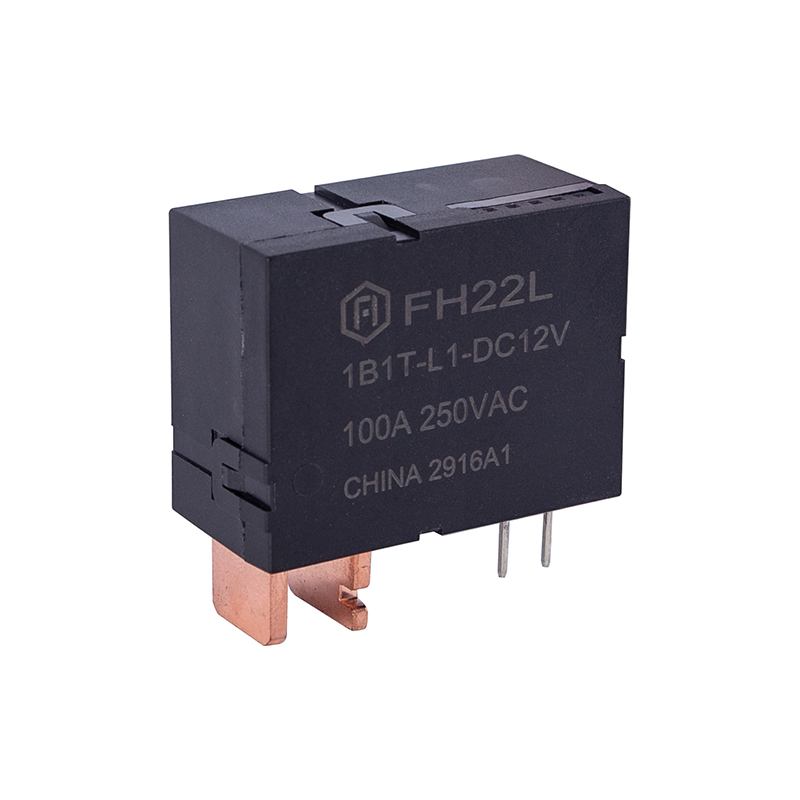
Electrical protection is rarely a single-component job. A fuse and a relay solve two different problems, and confusing the two is one of the most common mistakes in panel design and field troubleshooting. A fuse is a passive, sacrificial device: it exists to break the circuit once, permanently, when current exceeds a safe threshold. A relay is an active switching device that opens and closes a circuit repeatedly, controlled by a separate low-power signal, and it is often paired with additional protection hardware to survive millions of switching cycles.
Understanding this distinction matters because the two components sit at different points in the protection chain. A fuse protects wiring and equipment from thermal damage during a fault. A relay protects a control circuit from the electrical demands of a load circuit, isolating a small-signal controller from a larger current path. Neither one replaces the other, which is why most panels use both together rather than choosing one.
Fuse
Single-use overcurrent protection. Melts a metal element to break the circuit once a set current threshold is exceeded for a defined duration. Must be physically replaced after operation.
Relay
Reusable switching device. Uses a control-side coil to mechanically or electronically open and close a separate load-side contact, repeated thousands to millions of times without replacement.
Relay vs Fuse vs Circuit Breaker: A Side-by-Side Comparison
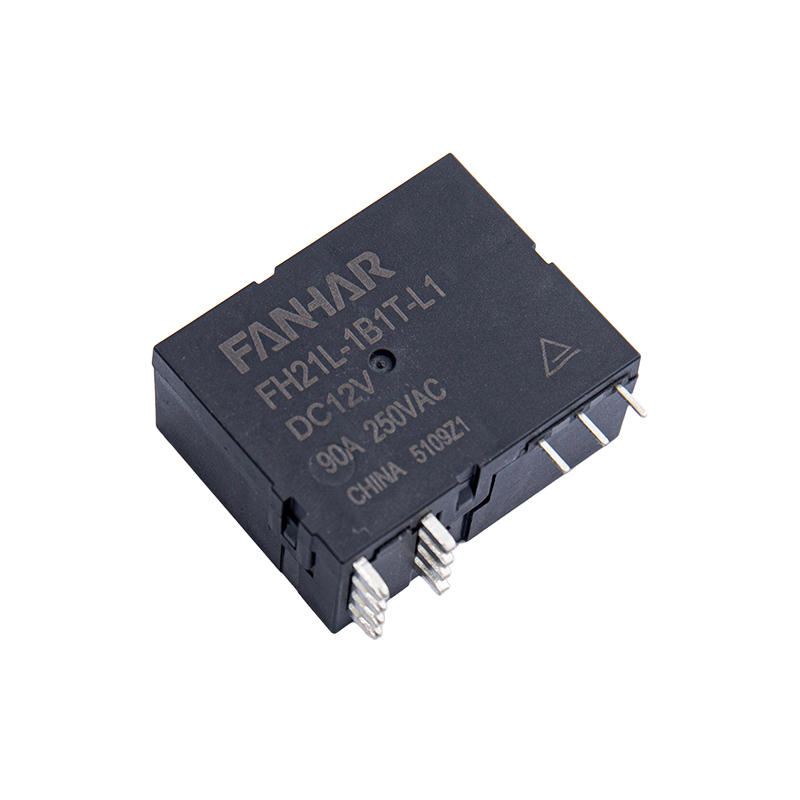
The difference between relay and fuse becomes clearer when both are placed next to a circuit breaker relay assembly, since the three components are frequently confused in field documentation. The table below summarizes how each behaves under normal operation and under fault conditions.
| Attribute | Fuse | Relay | Circuit Breaker Relay |
|---|---|---|---|
| Primary function | Overcurrent protection | Load switching | Switching plus overcurrent trip |
| Reusability | Single use | Reusable, cycle-rated | Resettable after trip |
| Response speed | Fast on severe overload | Depends on control signal | Moderate, adjustable trip curve |
| Typical failure mode | Element melts open | Contact wear or coil failure | Mechanical trip mechanism wear |
| Maintenance need | Replacement stock only | Periodic contact inspection | Periodic trip test |
Notice that only the relay and the circuit breaker relay assembly are designed to operate repeatedly. A fuse is a one-time barrier, which is precisely why it should never be relied upon as the sole protection for a circuit that also needs routine switching.
Why Shunts and Protection Diodes Matter in Relay Circuits
A relay coil is inductive, and every time the control signal is removed, the collapsing magnetic field generates a brief voltage spike in the opposite direction of normal current flow. Without a relay protection diode wired across the coil, this spike can damage the transistor or switch driving the relay. This single component, sometimes called a flyback or freewheeling diode, is one of the most overlooked parts of a relay driver circuit, yet its absence is a leading cause of repeated driver-stage failures in automated equipment.
A shunt serves an entirely different purpose in the same general circuit family. Rather than protecting against a voltage spike, a shunt is a precision low-resistance element placed in series with a load to allow current measurement. The voltage drop across it is proportional to the current passing through, which lets a monitoring system detect abnormal draw before it reaches the level that would blow a fuse or damage a relay contact. In panels that combine switching and monitoring, a shunt effectively gives early warning while the fuse remains the last line of defense.
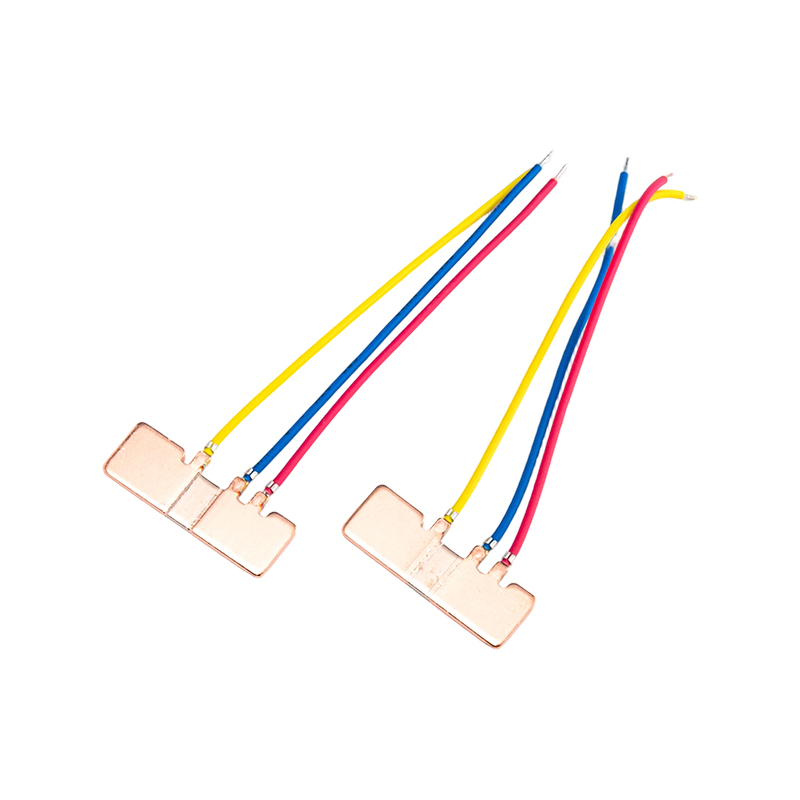
In mixed control panels, the load-switching relay, its protection diode, and a current-sensing shunt are typically specified together, since each addresses a distinct failure point rather than duplicating protection.
How to Recognize a Faulty Relay Before It Fails
A faulty relay rarely fails without warning signs. Contact surfaces degrade gradually through arcing and pitting long before the relay stops functioning entirely, and recognizing the early symptoms prevents unplanned downtime on a production line.
- Audible clicking from the coil with no corresponding switching of the load, suggesting welded or badly pitted contacts
- Rapid chattering or buzzing, often caused by an unstable control voltage or a weakened return spring
- Intermittent operation that appears and disappears with vibration or temperature changes
- Visible discoloration or a faint burnt smell near the relay housing, indicating contact overheating
- Measured contact resistance that rises noticeably compared to a new unit of the same rating
- A relay that stays energized after the control signal is removed, pointing to welded contacts from repeated inrush current
In a packaging line environment, for example, a conveyor motor relay that begins chattering under load is frequently traced back to contact pitting from switching a motor with a higher inrush current than the relay was rated to interrupt. Replacing the relay with one matched to the actual inrush profile, rather than only the steady-state current, resolves the recurring failure in most of these cases.
Choosing Between Relay-Based and Fuse-Based Protection
The practical question in most designs is not relay versus fuse in isolation, but which protection strategy fits a given circuit segment. The comparison below outlines common scenarios.
- If the circuit needs repeated on and off switching under program or sensor control, a relay is required regardless of whether a fuse is also present.
- If the concern is a single catastrophic overload event, such as a short circuit, a fuse or breaker is the appropriate last-line protection.
- If current levels need continuous visibility for diagnostics or load balancing, a shunt paired with a monitoring circuit is the correct addition, not a substitute for either the relay or the fuse.
- If switching frequency is very high or the load is highly inductive, a solid-state relay with a protection diode reduces contact wear compared to an electromechanical relay.
- If the installation requires a resettable trip without replacing a component after every fault, a circuit breaker relay assembly is generally preferred over a standalone fuse.
Visualizing the Difference: Circuit Flow With Relay Protection
The diagram below shows a simplified control and load path, including where a protection diode and a shunt typically sit relative to the relay and the fuse.
Reading the diagram from left to right, a low-power control signal energizes the relay coil, which closes the mechanical contacts on the load side. The fuse sits in series with that load path as the final overcurrent barrier, while the shunt runs in parallel to it for continuous current measurement rather than interruption.
Maintenance Practices That Extend Component Life
- Test contact resistance on relays at scheduled intervals rather than waiting for visible failure
- Keep spare fuses matched by exact current and voltage rating, not just physical size
- Verify the relay protection diode is intact any time a driver-stage component is replaced
- Check shunt terminal torque periodically, since a loose connection introduces measurement error
- Record relay switching cycle counts where duty cycle is high, to anticipate contact wear
relay vs fuse circuit breaker relay relay fusible faulty relay relay protection diode difference between relay and fuse
Frequently Asked Questions
Q1: What is the core difference between relay and fuse protection?
A fuse is a one-time sacrificial device that breaks a circuit permanently during an overload, while a relay is a reusable switching device that repeatedly opens and closes a circuit under control-signal command. They address different failure points and are usually used together.
Q2: Can a relay replace a fuse in a protection design?
No. A relay switches current but does not inherently limit it during a fault. A fuse or breaker is still needed to interrupt current during a short circuit or severe overload condition.
Q3: What does a relay fusible combination typically refer to?
This term generally describes an assembly that combines a relay for switching with an integrated or adjacent fuse element for overcurrent protection, often used in automotive or industrial junction blocks where space is limited.
Q4: How does a shunt differ from a fuse in a circuit?
A shunt is a precision low-resistance element used to measure current by monitoring the voltage drop across it. It does not interrupt the circuit. A fuse, by contrast, is designed specifically to break the circuit once current exceeds a safe level.
Q5: What causes most relay failures in the field?
Contact wear from arcing during switching, coil insulation breakdown from heat, and inductive voltage spikes reaching the driver stage when a protection diode is missing or has failed are the most common causes of relay failure.
Q6: How can I tell if a relay has failed versus a wiring fault?
Listen for the relay click when the control signal is applied. If the click is present but the load does not switch, the fault is most likely at the contacts. If there is no click at all, the issue is more likely in the coil circuit or the control signal itself.
 Previous