 EN
EN
 English
 Español
 русский
 简体中文
简体中文

News
Content
- 1 Understanding Relays and Contactors
- 2 Structural Differences Between Relays and Contactors
- 3 Operational Principles
- 4 Power Handling and Applications
- 5 Switching Speed and Control Considerations
- 6 Durability and Maintenance
- 7 Design and Safety Standards
- 8 Comparative Advantages
- 9 Practical Application Scenarios
- 10 Maintenance and Longevity
- 11 Conclusion
- 12 FAQ
Understanding Relays and Contactors
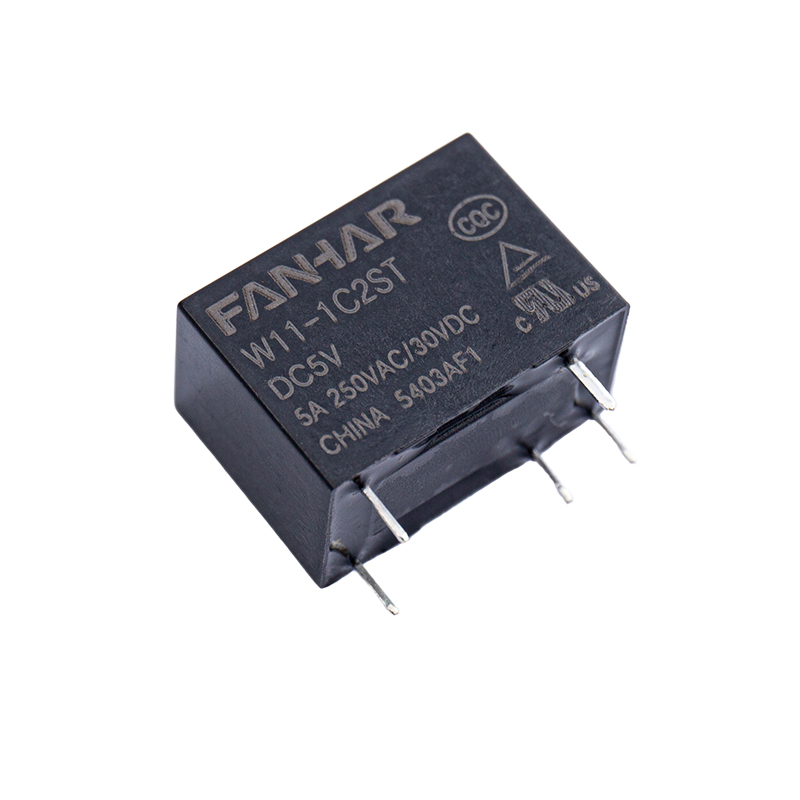
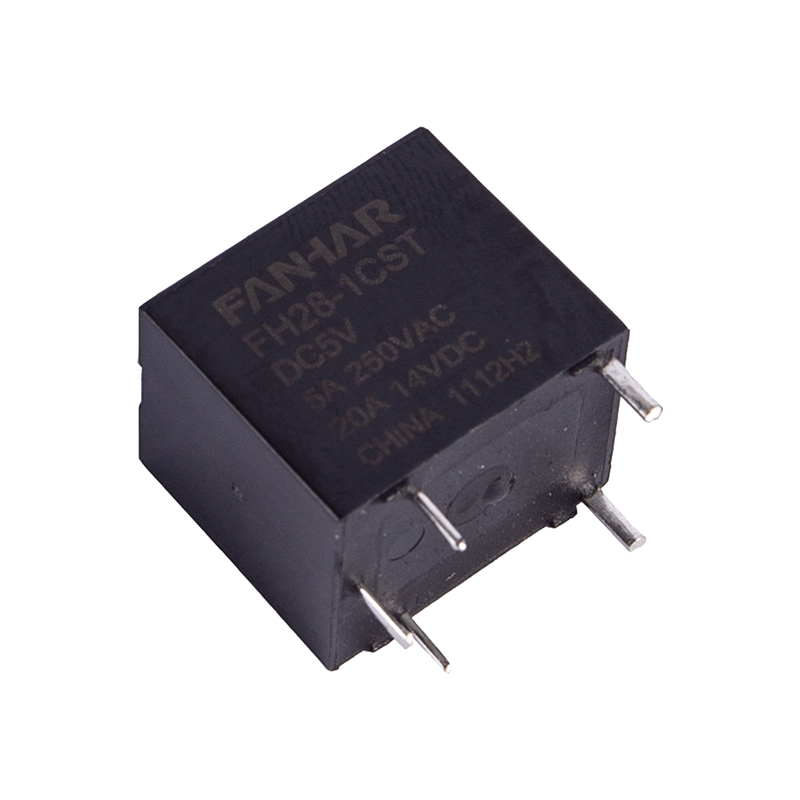
Relays and contactors are both electromechanical switching devices widely used in electrical circuits. While they may appear similar at first glance, their design, purpose, and application environments differ significantly. A relay is primarily used for Power Relay applications, signal switching, or low current circuits, whereas contactors are designed for switching higher currents in industrial settings.
Both devices operate using an electromagnetic coil to create mechanical movement, allowing contacts to open or close circuits. However, the differences in operational characteristics, power handling, and control mechanisms make them suitable for distinct applications.
Structural Differences Between Relays and Contactors
Understanding the internal structure of these devices clarifies their functional differences. A standard electromechanical relay consists of:
- A coil that generates a magnetic field when energized.
- An armature that moves in response to the magnetic field.
- Contacts that open or close to switch the circuit.
- A spring mechanism to return the armature to its default position.
In comparison, a contactor is structurally reinforced to handle larger currents and often incorporates auxiliary contacts for control feedback. Contactors may include:
- Heavier duty contacts for high current operation.
- Arc suppression mechanisms to protect the contacts from electrical arcing.
- Multiple poles to switch three-phase loads simultaneously.
Operational Principles
The operation of both relays and contactors relies on electromagnetic principles. When current flows through the coil:
- The magnetic field attracts the armature.
- The armature movement closes or opens the contacts.
- The circuit is switched without the need for direct manual operation.
A key distinction is that relays often have lower contact ratings (typically under 30A) suitable for signal or control circuits, whereas contactors can handle high current loads, often exceeding hundreds of amperes in industrial motor control.
Power Handling and Applications
The intended application largely defines whether a high power relay or contactor is appropriate. Examples include:
| Device | Typical Current Rating | Common Applications |
| Relay | 0.1A – 30A | Control circuits, signal switching, automation systems |
| Contactor | 10A – 1000A+ | Motor control, HVAC systems, industrial machinery, lighting systems |
Selecting the correct device ensures reliable operation. Using a relay in a high current scenario can lead to rapid contact wear or failure, whereas a contactor in a low-power circuit may be unnecessarily large and expensive.
Switching Speed and Control Considerations
Another important factor is switching speed. Relays typically operate faster, making them ideal for circuits requiring rapid signal changes. Contactors, due to their heavier contacts and arc suppression mechanisms, operate slightly slower but are capable of handling high-energy loads safely.
In addition, control voltage requirements differ. Relays can often operate at very low coil voltages (12V, 24V), whereas contactors may require higher control voltages (110V, 220V) to energize the larger coil necessary for switching heavy loads.
Durability and Maintenance
Contactors are built for frequent switching and continuous high-load operation. They incorporate arc chutes, robust contact materials, and often a sealed enclosure to prevent dust or debris from causing contact failure. Relays, while durable for their intended low-power use, may require replacement more frequently if subjected to heavy load or high switching cycles.
A notable example: in industrial motor circuits where contactors are used for starting and stopping large motors, the arc suppression and heavy-duty contacts allow thousands of operations without significant wear. Conversely, using a standard relay for similar applications could result in contact pitting, overheating, and eventual failure.
Design and Safety Standards
Both relays and contactors must meet rigorous safety and performance standards. Commonly considered factors include:
- Insulation and dielectric strength
- Mechanical endurance and cycle life
- Short-circuit and overload protection
- Temperature ratings and environmental resistance
Adhering to these standards ensures reliability in applications ranging from residential automation to industrial motor controls. Proper specification of the device according to load, voltage, and operational cycle is critical to prevent electrical hazards.
Comparative Advantages
Summarizing the functional differences highlights their suitability for different scenarios:
| Feature | Relay | Contactor |
| Current Capacity | Low (up to 30A) | High (10A – 1000A+) |
| Switching Speed | Fast | Moderate |
| Mechanical Durability | Moderate | High |
| Typical Use | Signal, control circuits | Motors, industrial loads |
Practical Application Scenarios
Understanding specific applications helps engineers select the correct device:
- Home automation: Relays are ideal for controlling low-power lighting circuits or smart switches.
- Industrial motor control: Contactors provide safe and durable switching for three-phase motors and HVAC systems.
- Signal isolation: Electromechanical relays allow electrical separation between control and power circuits.
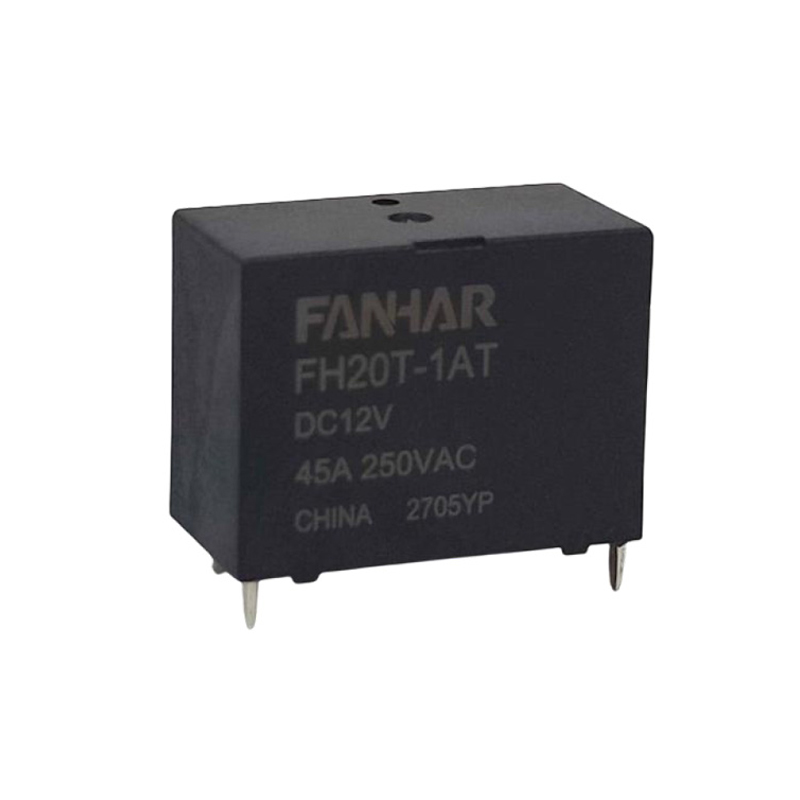
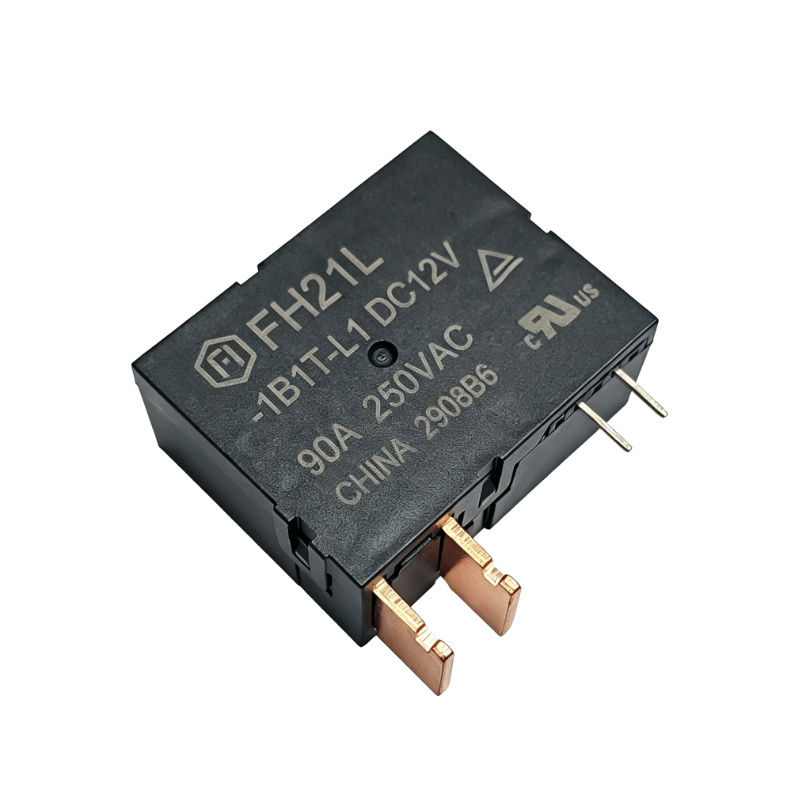
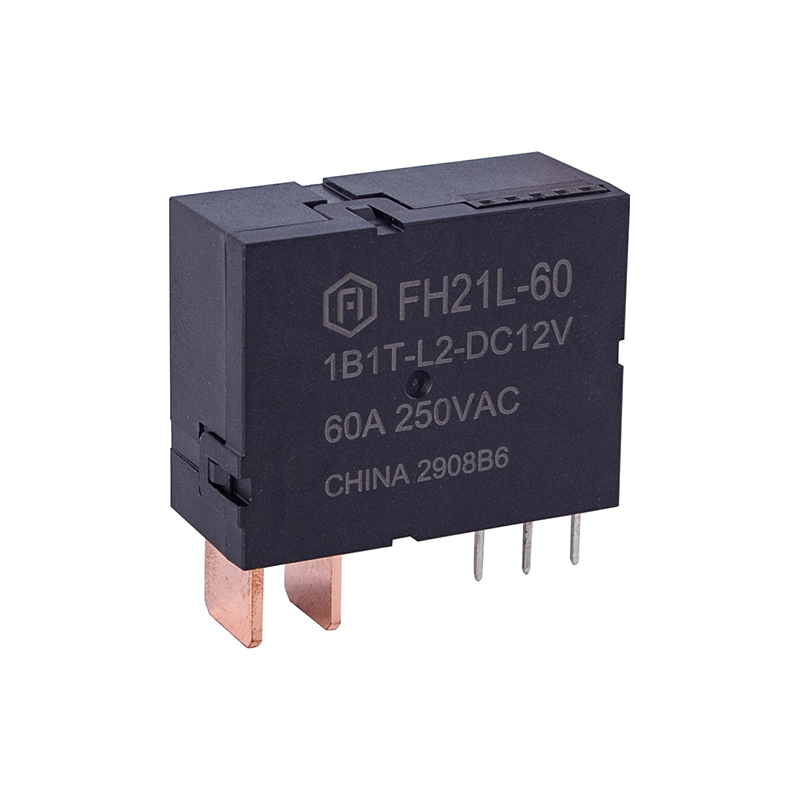
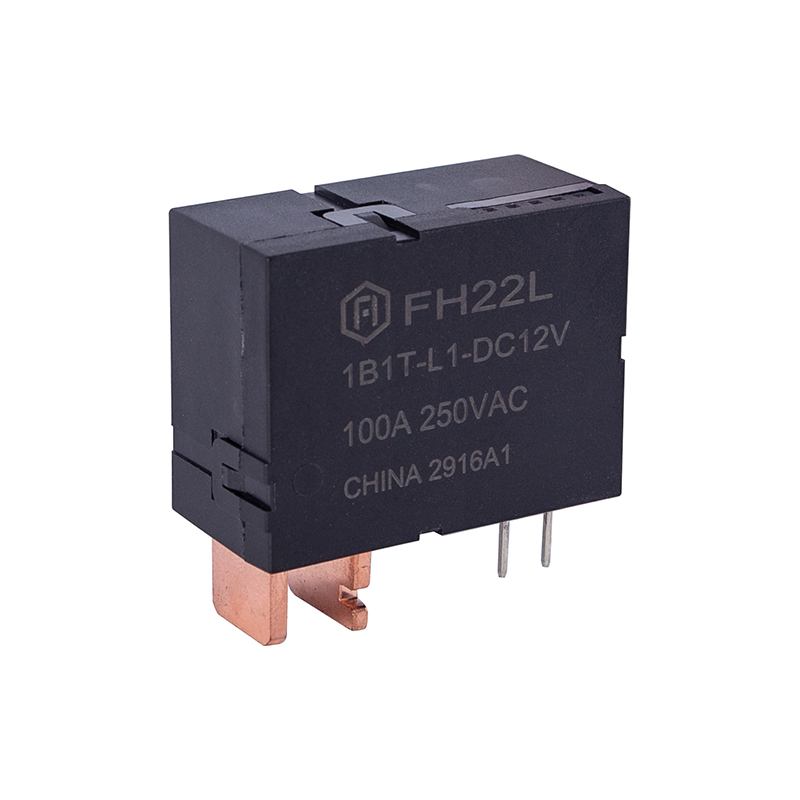
- High-power switching: High power relays are used in situations requiring precise control without large mechanical contactors.
Maintenance and Longevity
Regular inspection and maintenance extend the life of relays and contactors. Key practices include:
- Checking for contact wear or pitting.
- Ensuring coil voltages are within specifications.
- Cleaning dust or debris from mechanical parts.
- Verifying proper operation under load conditions.
Conclusion
While both relays and contactors share the principle of electromagnetic switching, their power handling, structure, speed, and application distinguish them. Selecting the right device depends on load requirements, switching frequency, and operational environment. Proper understanding of Power Relay, high power relay, and electromechanical relay characteristics ensures efficient, safe, and reliable electrical system design.
FAQ
Q1: What is the main difference between a relay and a contactor?
Relays are designed for low-power signal or control circuits, while contactors are built for high-current industrial applications.
Q2: Can a high power relay replace a contactor?
High power relays can handle substantial currents but are typically used where precise control is needed, not for continuous heavy-duty switching like contactors.
Q3: How do I choose between an electromechanical relay and a contactor?
Consider the current rating, switching frequency, operational environment, and safety requirements of your application.
Q4: What maintenance is required for relays and contactors?
Regular inspection for contact wear, coil integrity, and cleaning of mechanical parts helps ensure long-term reliable operation.
 Previous