
 EN
 English
 Español
 русский
 简体中文



The eyes of the global electronics industry are once again turning to Munich, Germany. From November 10 to 13, 2026, the highly anticipated world-leading trad...
Read More
x
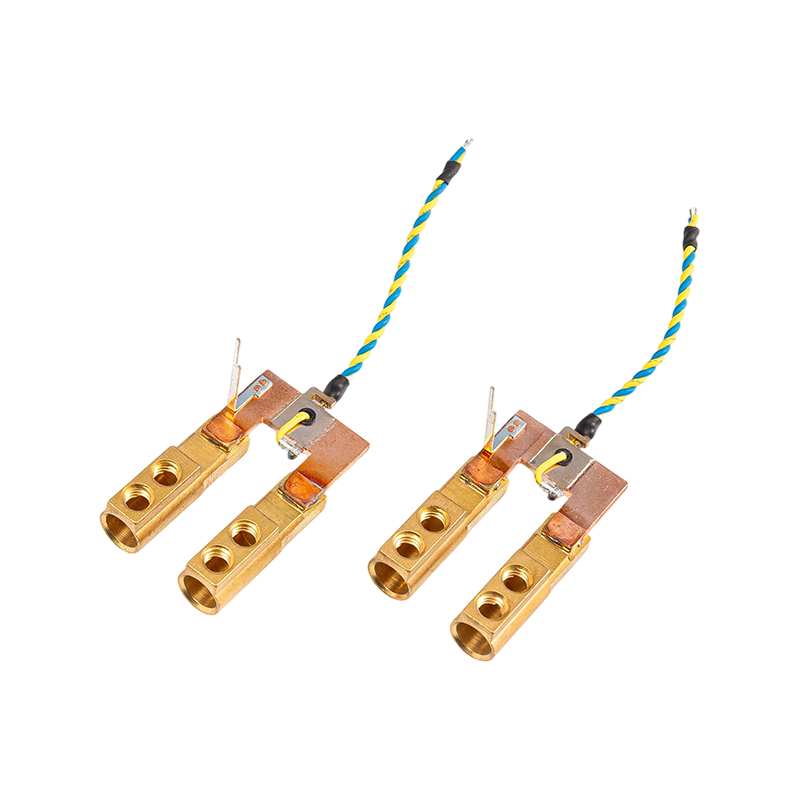
FHS-018 High Precision High Current Copper Shunt
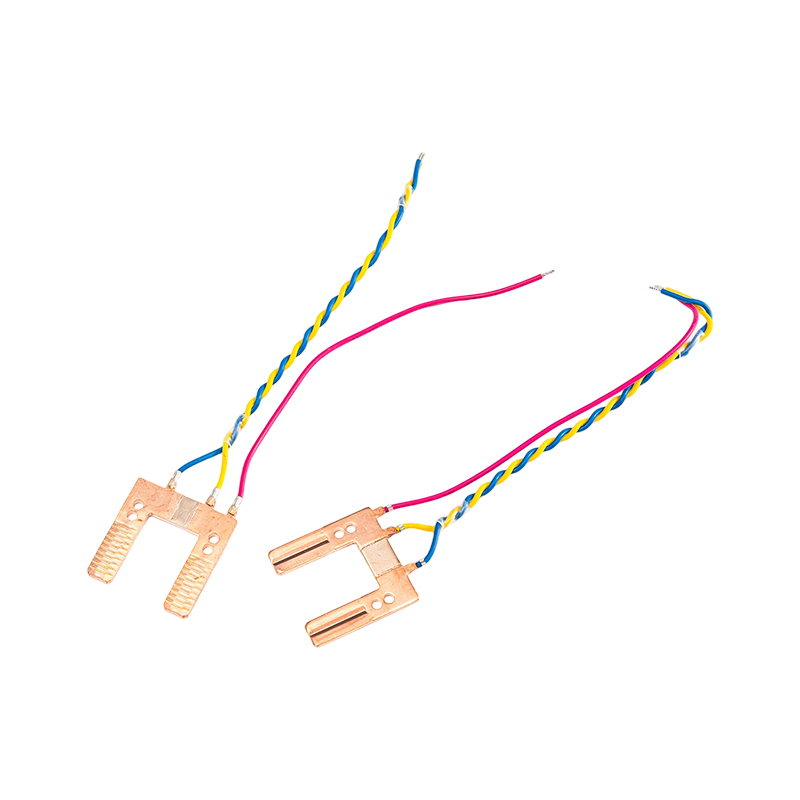
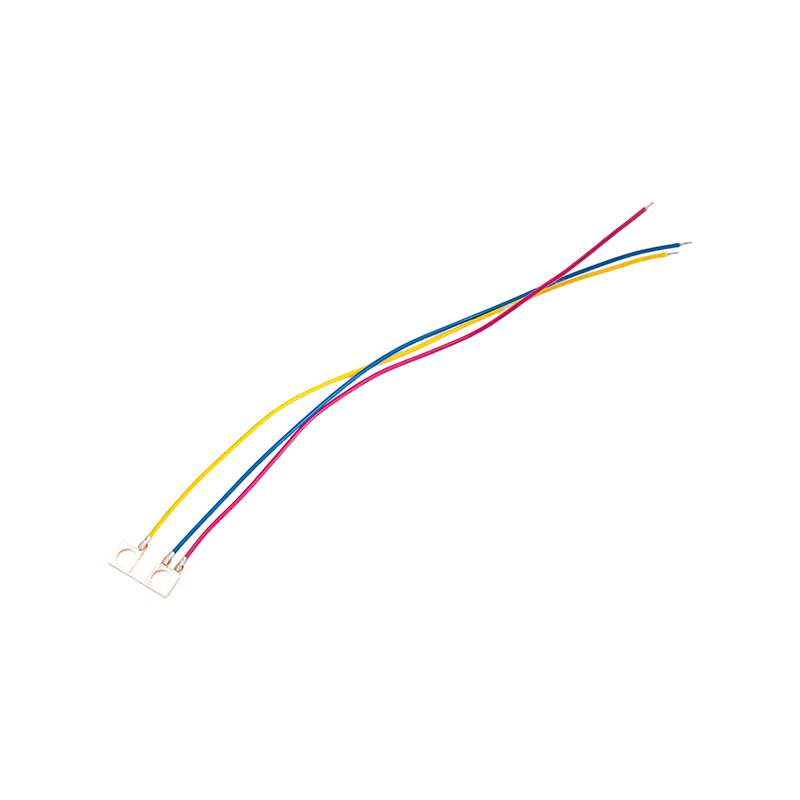
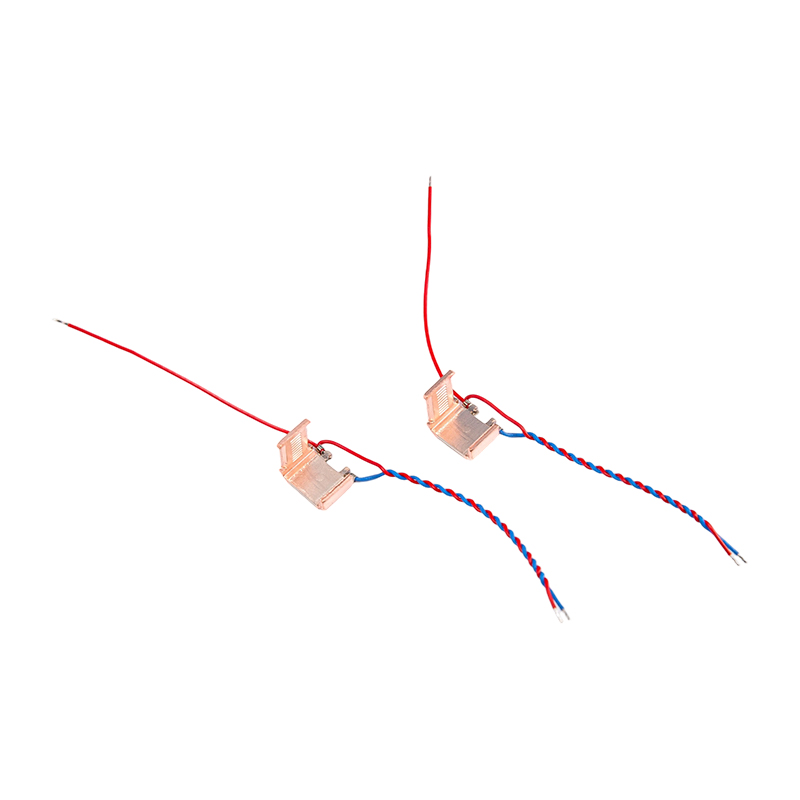
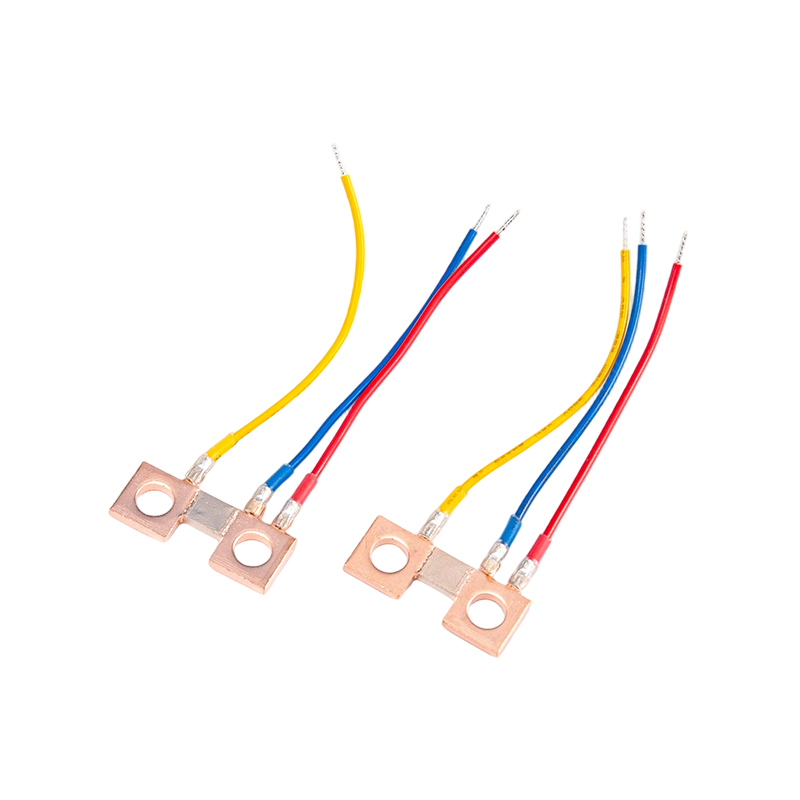
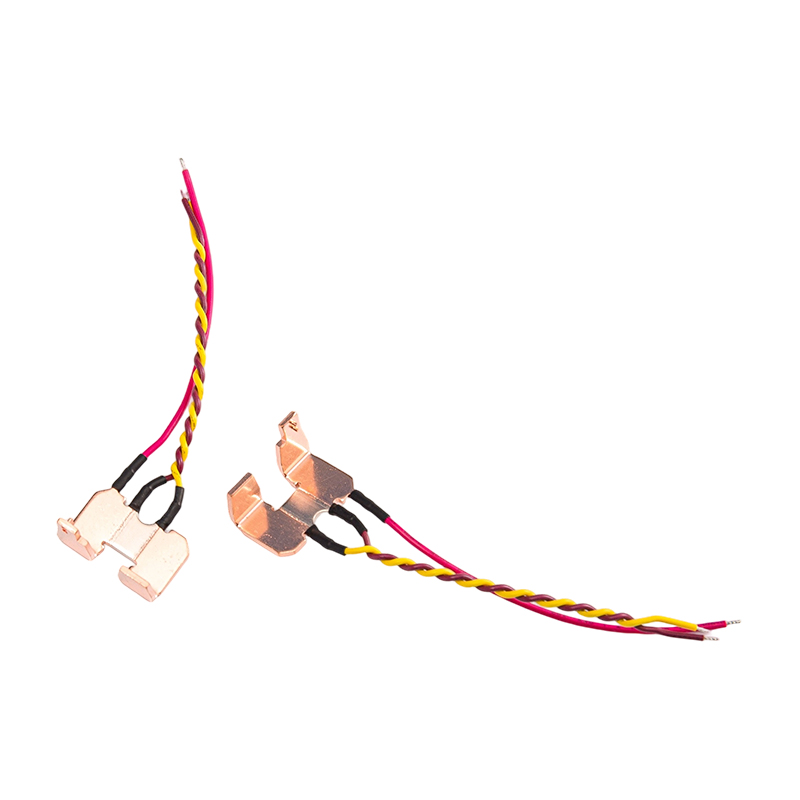
The FHS-018 High Precision High Current Copper Shunt is a high-performance device designed to meet the needs of high-precision current measurement. It uses copper alloy material with conductivity and stability, which can effectively reduce connection errors and ensure the accuracy of measurement. The internal bus structure design of the shunt reduces the connection error problems common in traditional shunts, while supporting customer-specified measurement points to meet the needs of different application scenarios. This product is suitable for a variety of fields, including automotive electronics, industrial automation, and scientific research experiments. In the field of automotive electronics, FHS-018 can be used to monitor the battery current of electric vehicles and hybrid vehicles to optimize energy management. In industrial automation, it can accurately control the current of motors and their equipment to ensure the efficient operation of the system. In addition, FHS-018 is also suitable for laboratory environments for accurate current measurement, providing reliable data support for scientific research. In order to meet the precision application requirements, FHS-018 can be equipped with a 100 ohm thermistor (RTD) or thermistor sensor to achieve full current and temperature characterization. This configuration not only improves measurement accuracy, but also enhances temperature compensation capabilities, and is suitable for scenarios requiring high precision and high reliability. FHS-018 high-precision high-current copper shunt is an ideal choice for current measurement due to its performance, flexible configuration and wide range of applications.
- Parameters
- Application
- Describe
About Us
Zhejiang Fanhar Electronics Co., Ltd.
Zhejiang Fanhar Electronics Co., Ltd. is a Chinese custom manufacturer of electromechanical components and circuit measurement tools. As a national high-tech enterprise, we specialize in the R&D, manufacturing, and sales of relays. Our products are widely used in smart home systems, new energy (photovoltaic) applications, charging stations, smart meters, industrial controls, and other fields.
Currently, we have a professional workforce of nearly 600 employees and operate 35 fully automated production lines, with 40% of our products exported to over 20 countries worldwide. To better serve our customers and meet market demands, we continuously improve our products and manufacturing processes, investing 6%–8% of our annual sales revenue in R&D and innovation.
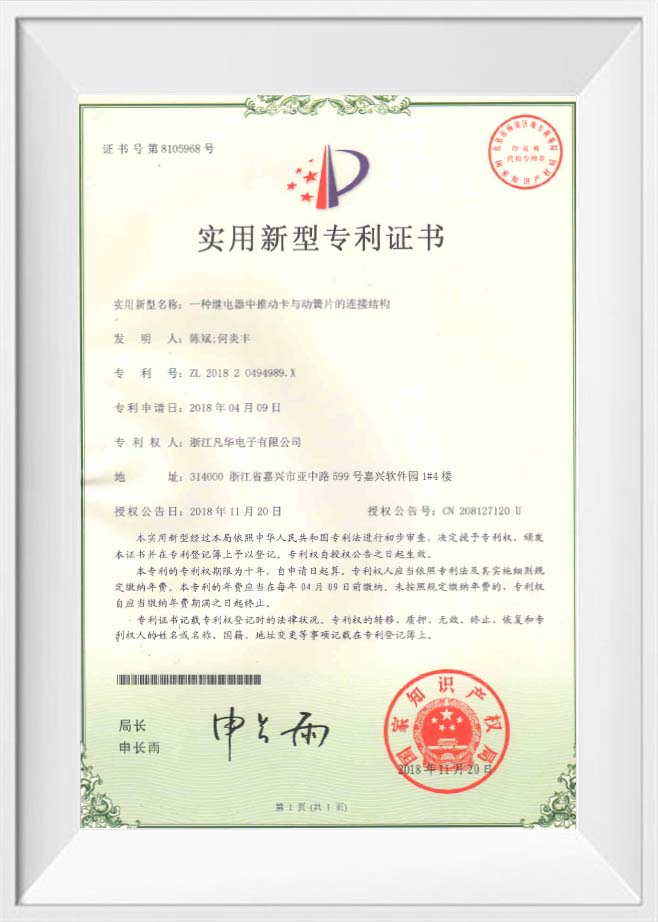
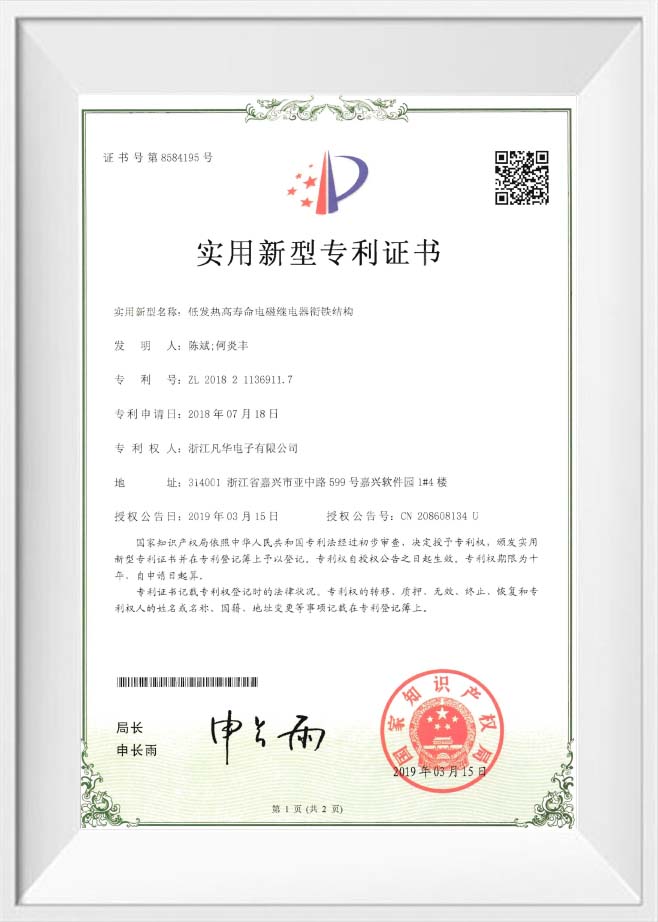
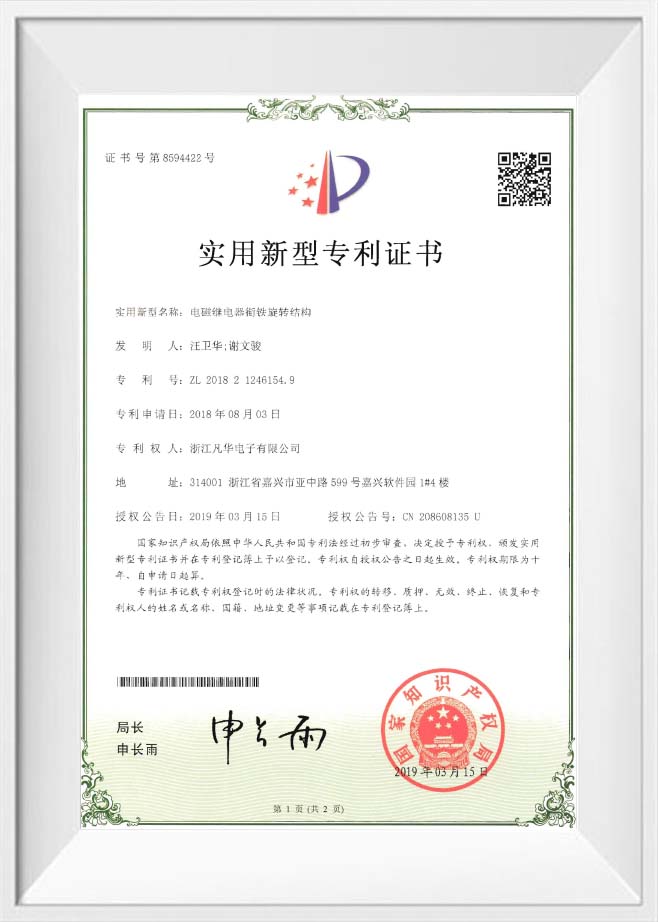
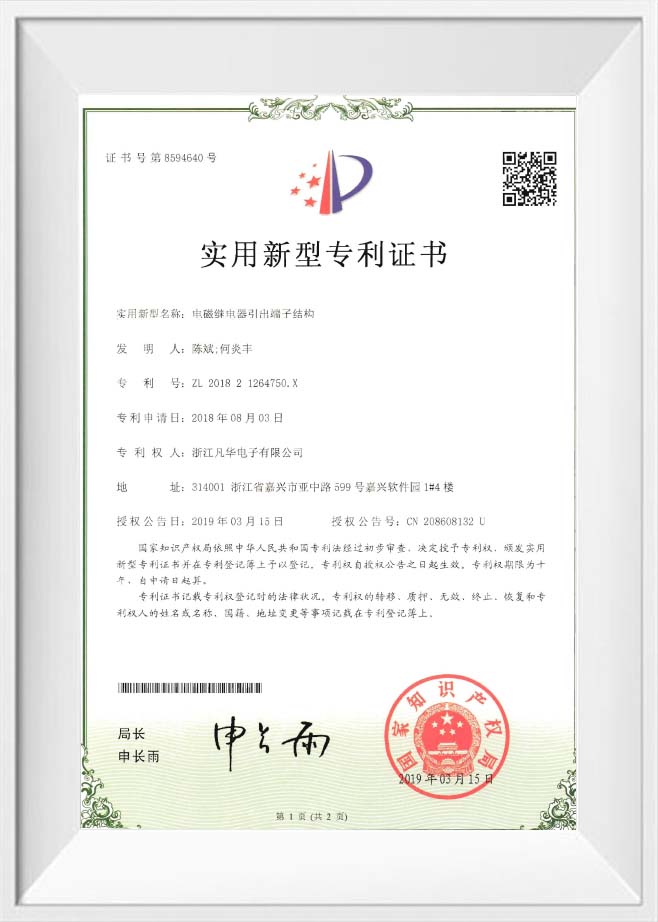
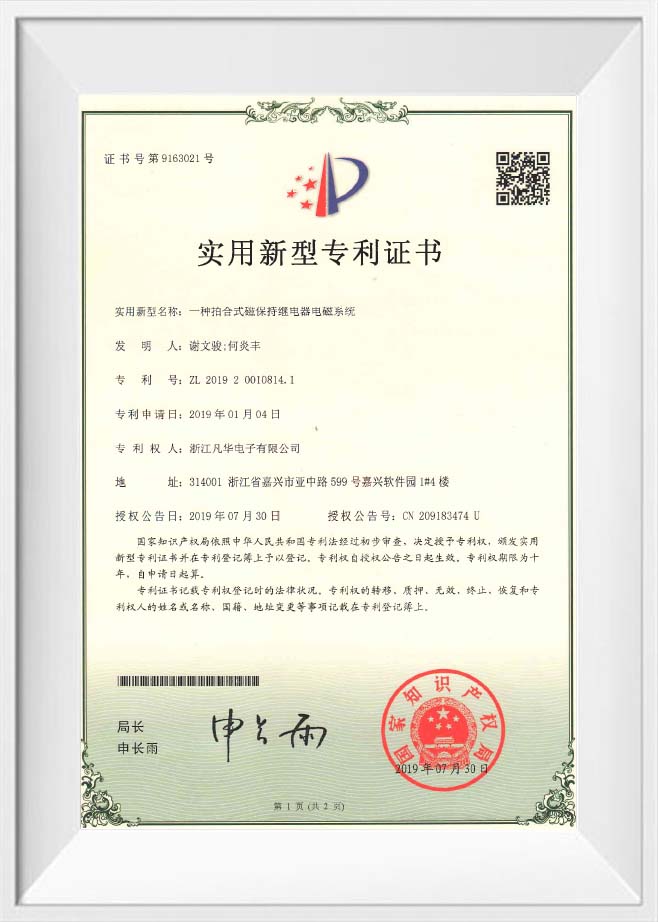
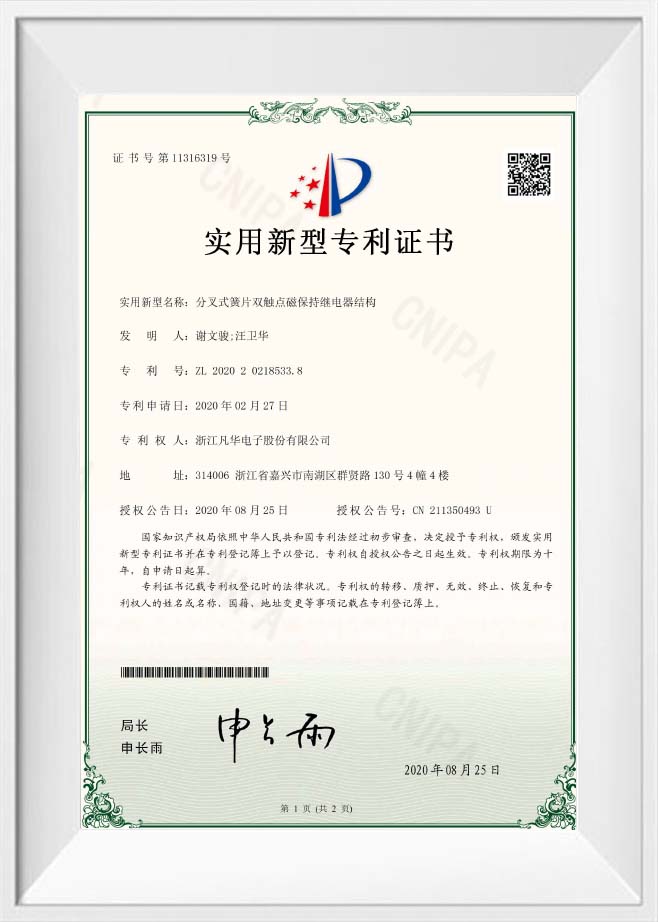
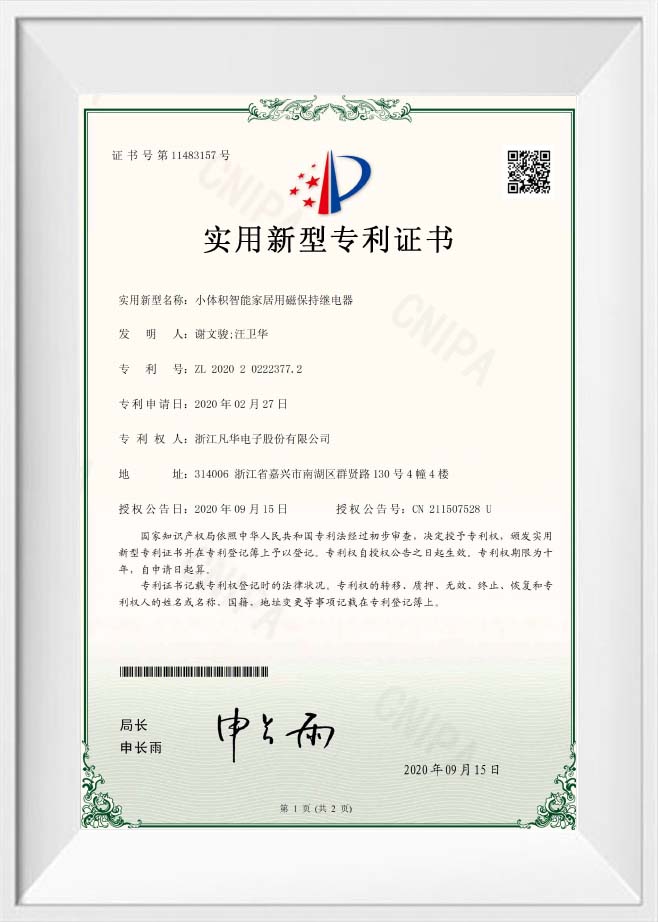
With a strong emphasis on technological innovation, we have been recognized as a National High-Tech Enterprise and a Provincial-level R&D Center, holding more than 50 national patents. Our products have obtained international certifications, including ISO 9001, ISO 14001, and ISO 45001, as well as authoritative UL, TUV, and CQC certifications, and are fully compliant with EU RoHS and REACH directives.
Maintaining a 98% delivery satisfaction rate, our products serve global industry leaders such as Huawei, Bull, and Eaton in smart home, industrial control, new energy, and power metering applications. Looking ahead, Fanhar Electronics will continue to expand production capacity and strengthen our presence in the new energy market, striving to become a leading provider of comprehensive relay solutions.
Certificate Of Honor
News
-
-
From November 10 to 12, 2026, the globally anticipated Enlit Europe 2026 will grandly open at the Messe Wien Exhibition & Congress Center in Vienna, Austr...
Read More -
Designing a latching relay circuit diagram is one of those tasks that looks complicated until you understand the core idea: the relay remembers its last state ...
Read More -
In the fields of smart homes, commercial lighting, and industrial control, relays serve as key actuators for circuit switching, and their load capacity, safety...
Read More -
Picture a design review for a smart meter or a DC fast-charging station. Sooner or later, someone asks the same question: how do we measure current without bre...
Read More

- Tel +86-573-82237888
- Email [email protected]
- Address No. 828, Xinchang Road, Nanhu District, Jiaxing, Zhejiang, China
Products
