
 EN
EN
 English
 Español
 русский
 简体中文
简体中文

News
Home / News / Industry News / General Purpose Relays: How to Select, Apply, and Avoid Costly Mistakes
Content
You are building the control panel for a packaging line. The relay on the PCB must switch a 1.5A inductive load at 24VDC, handle the vibration from a nearby servo motor, and remain in specification after 500,000 operations. A general purpose relay is the component you are likely to reach for. The practical rule is simple: match the relay to the load type and leave enough margin for the conditions you cannot fully predict.
A general purpose relay is an electromechanical switch that opens or closes a load circuit in response to a control signal. It is called general purpose because it is not optimized for a single narrow task. It can switch motors, heaters, solenoids, lighting circuits, and many other everyday loads without requiring a dedicated design.
Compared with specialized components such as automotive relays or latching relays, the general purpose category is the standard choice for control panels, building automation, and metering equipment. It bridges the gap between low-power control electronics and higher-power output circuits while providing galvanic isolation between the two.
The operating principle is straightforward. A current flows through the coil and creates a magnetic field. That field pulls a movable armature, which pushes the contacts together or pulls them apart. When the control signal stops, a spring returns the armature to its resting position.
The coil voltage defines the control side, and the contact voltage and current define the load side. This separation is what makes the relay valuable. It allows a 5V microcontroller to switch a 250VAC circuit safely, and it isolates the control logic from load transients.
Four parameters drive most relay selection decisions. If you get them right, the relay will usually perform well for years.
Contact rating is the maximum current and voltage the contacts can switch under a specified load type. For resistive loads, manufacturers provide one rating; for inductive or lamp loads, the same relay may be derated by 20% to 50%. Always check the load category before accepting a nominal current value.
Coil voltage must match the control supply. Choose a coil that operates reliably at the low end of the supply tolerance. With a 12V nominal supply that sags to 10.5V, a 12V coil relay is usually safe, but a 9V-rated coil adds margin for cold starts and line dips.
Contact form determines the number of independent switching paths. SPDT is the most common configuration, providing normally open, normally closed, and common terminals. DPDT is useful when you need two simultaneous circuits switched by a single control signal.
Endurance is the number of operations the relay can complete before contact resistance exceeds the defined limit. For typical control applications, 100,000 operations is a reasonable floor. If a machine cycles the relay every 10 seconds, that is nearly 11.5 days of continuous testing, so endurance matters more than most designers expect.
Most general purpose relays are electromechanical. They are inexpensive, offer a wide choice of contact forms, and handle inrush surge currents well. Solid state relays switch silently, have no moving contacts, and are better suited to high-frequency switching, but they generate more heat and are often limited to specific current ranges.
For a control panel, an electromechanical relay is usually the right default. If your application needs silent operation or millions of switching cycles, a solid state relay deserves a closer look.
General purpose relays appear in a wide range of industrial and commercial products. The common thread is controlled switching of loads in a safe, repeatable way.
In automation equipment, relays provide isolation between the control logic and the output devices. A relay such as the FH50 industrial relay offers a contact arrangement that fits many machine control panels. These relays are commonly used in logic circuits, motor starters, and safety interlocks inside industrial control systems.
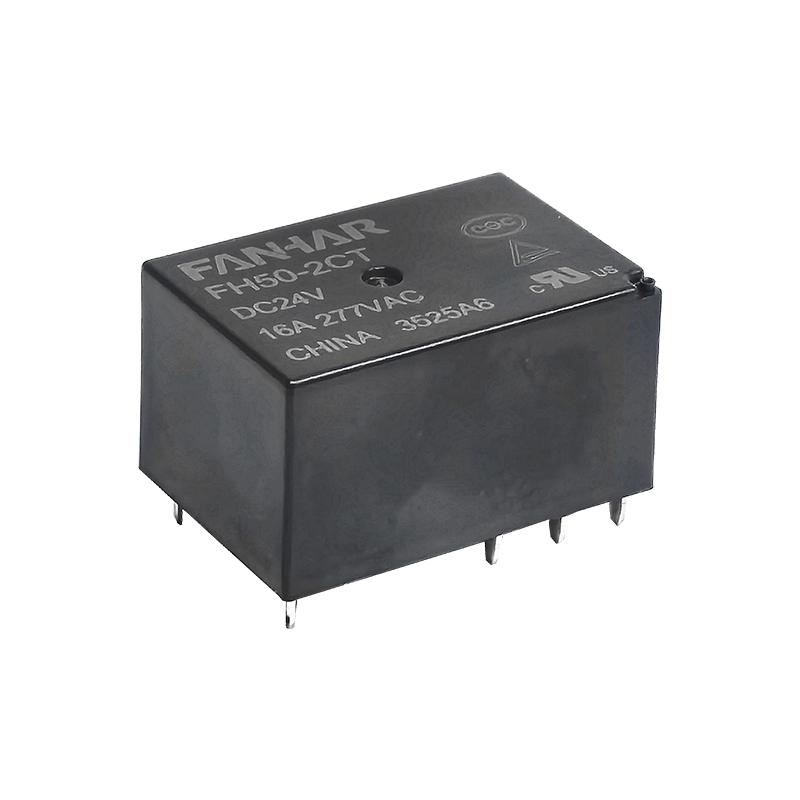 FH50 16A Industrial Relay for Control Panels and InvertersThis relay offers 2A/2C contact arrangements and a compact 15.9mm height, suited for flat mounting in automation equipment. It provides 5kV breakdown voltage and Class F insulation, making it reliable for industrial control and photovoltaic inverter applications.View Product →
In smart home products, a relay switches lighting, fans, and appliance circuits. The FH51/FH51TP power relay is built for this kind of load switching and can be found in smart switches and home control modules.
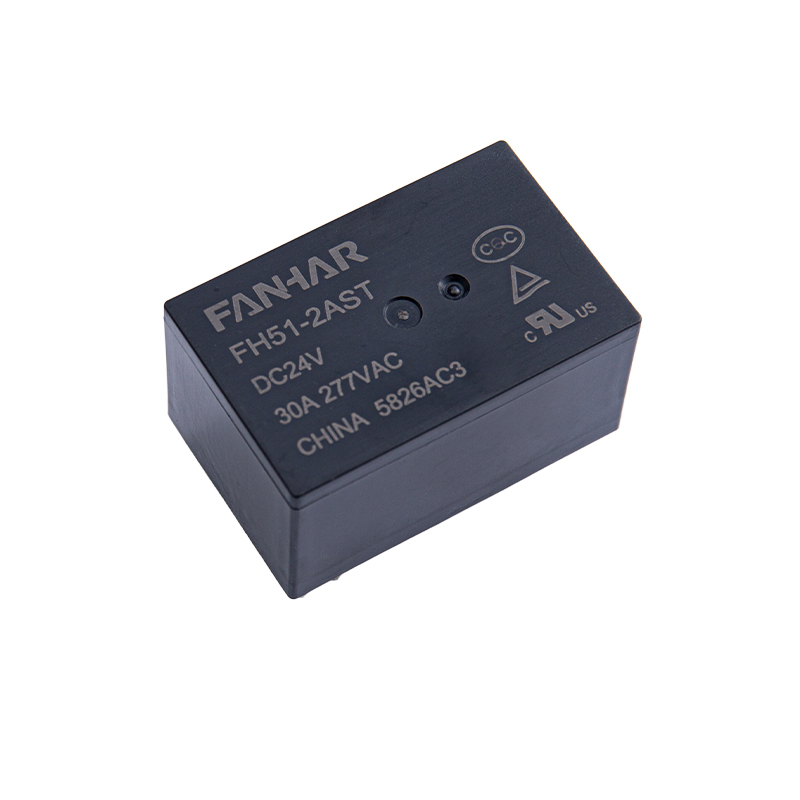 FH51/FH51TP Power Relay for Smart Home Load SwitchingWith 30A switching capability and options for PCB or quick-connect terminals, this relay handles lighting and appliance circuits in smart switches and home control modules. Its 4kV breakdown voltage and RoHS compliance ensure safe, eco-friendly operation.View Product →
Electricity meters use relays to disconnect service or enforce load limits. The W16 relay for smart meter applications is a common choice for compact meter designs, where footprint and reliable switching are equally important.
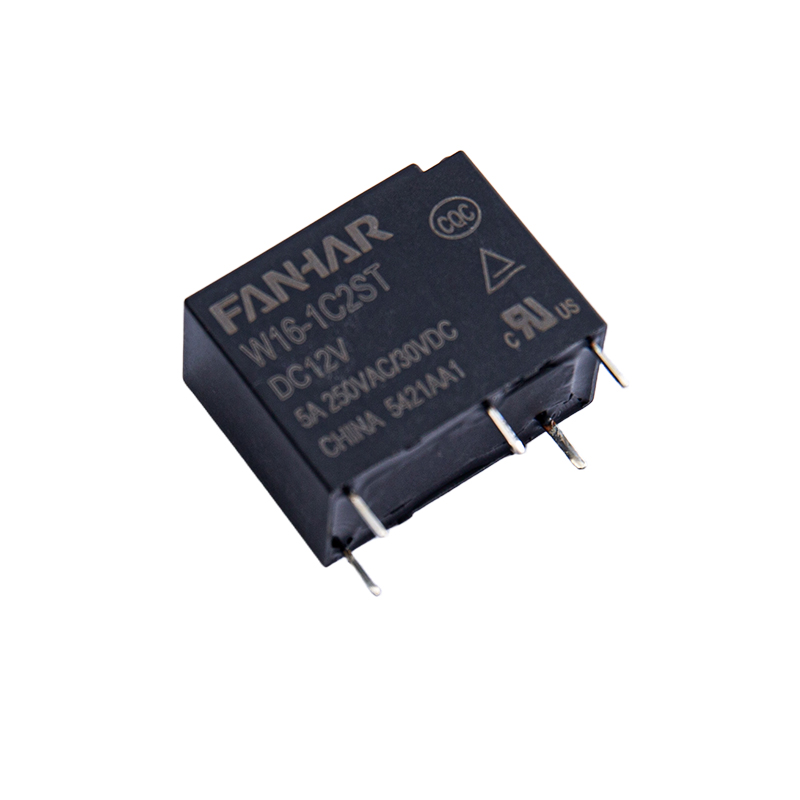 W16 Power Relay for Smart Meters and Compact DesignsFeaturing 10A switching, 1A/1C contacts, and a small footprint of 20.5×10.5×15.6mm, this relay is ideal for electricity meters where space is limited. It offers a high-sensitivity version with 200mW coil power and optional 105°C operation.View Product →
Solar inverters, charging piles, and communication power supplies also use general purpose relays for path selection and protection. If your project needs a switching configuration not offered in the standard catalog, some manufacturers provide custom relay configurations to match the relay to your circuit.
Selection starts by writing down the load conditions and the operating environment. A practical checklist includes:
When comparing catalog ratings, confirm that the advertised current rating applies to the same load type as your application. A relay rated 10A for resistive loads may only be rated 3A for a motor load. Applying the relay at 10A with an inductive load will shorten its life dramatically.
If your board layout is tight, a miniature or PCB-mount relay can be a sensible compromise, but verify that contact spacing and dielectric strength meet your safety requirements.
The most common field failure is not a broken coil, but contact wear. Over time, arcing erodes the contact material, increasing contact resistance and eventually causing the circuit to open unpredictably. Contact material matters. Silver alloy contacts, such as AgSnO2, resist arc erosion and contact welding better than pure silver contacts in inductive and motor loads.
Batch consistency is a procurement issue that designers often overlook. If the supplier cannot control contact gap, coil resistance, and release time across thousands of units, your production line will face a higher rejection rate. Look for a manufacturer with automated production lines and traceable quality management.
Another risk is relying only on the maximum contact rating. A relay rated for 250VAC may still fail at low currents because the arc cannot self-extinguish. If your circuit operates below 1A, check the minimum switching current in the datasheet. It is a real parameter, though easy to miss.
A general purpose relay is a broad category used for control and small load switching. A power relay is a more specific variant designed for higher current loads, usually above 10A. Many general purpose relays can switch low-power loads, but a power relay offers higher contact ratings and a larger coil.
Yes, but the DC rating is often lower than the AC rating. DC arcs do not self-extinguish at the zero crossing, so the contacts must withstand a longer arc. A relay rated 10A at 250VAC might only be rated 5A at 30VDC.
Mechanical life can exceed one million operations, while electrical life under load is typically lower. For a 10A relay switching an inductive load, 100,000 operations is a realistic expectation. Derating the load or choosing a relay with a larger contact rating extends the electrical life.
Match the coil voltage to your control supply. Common values are 5V, 12V, 24V, and 48V. Consider coil power consumption as well, which is typically around 0.36W to 0.9W. If your controller can only supply limited current, choose a high-impedance coil.
UL and TUV cover safety and performance, CQC is a recognized certification in the Chinese market, and RoHS/REACH confirm environmental compliance. These are often mandatory when exporting to North America or Europe.
A general purpose relay is a small but critical part of every control system. By paying close attention to contact ratings, coil voltage, load type, and production consistency, you can avoid the failures that generate field service calls. Choose a relay that matches the application with enough margin, and work with a supplier that can demonstrate stable quality and the right certifications. The specification cards and application examples above should give you a solid starting point for your next design.
If you have any questions, please fill out the contact form at the bottom of the page and contact us.
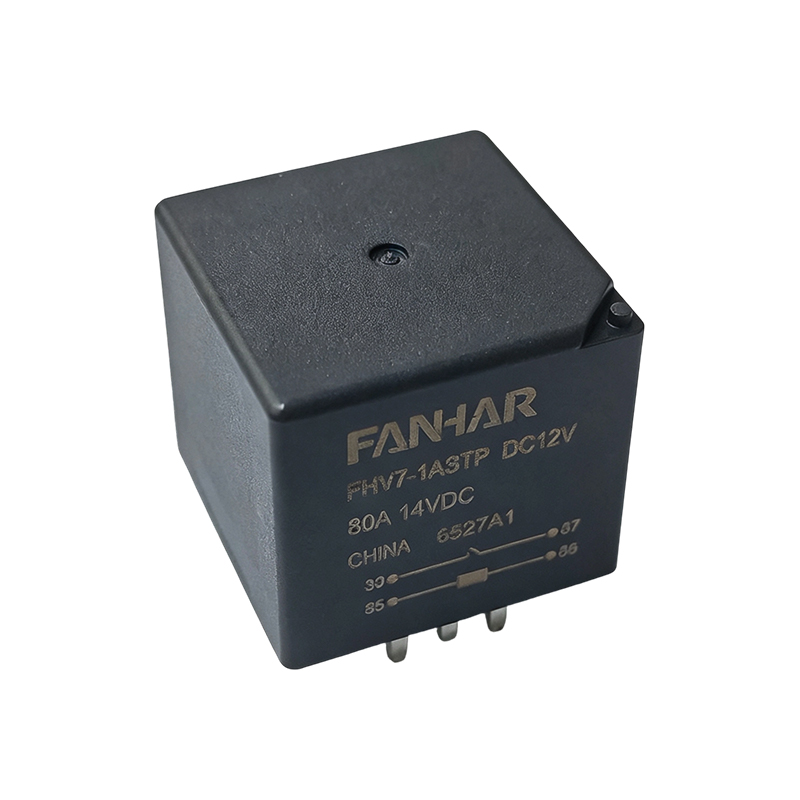 FHV7 80A Automotive Power Relay for ABS and Cooling Fan Systems
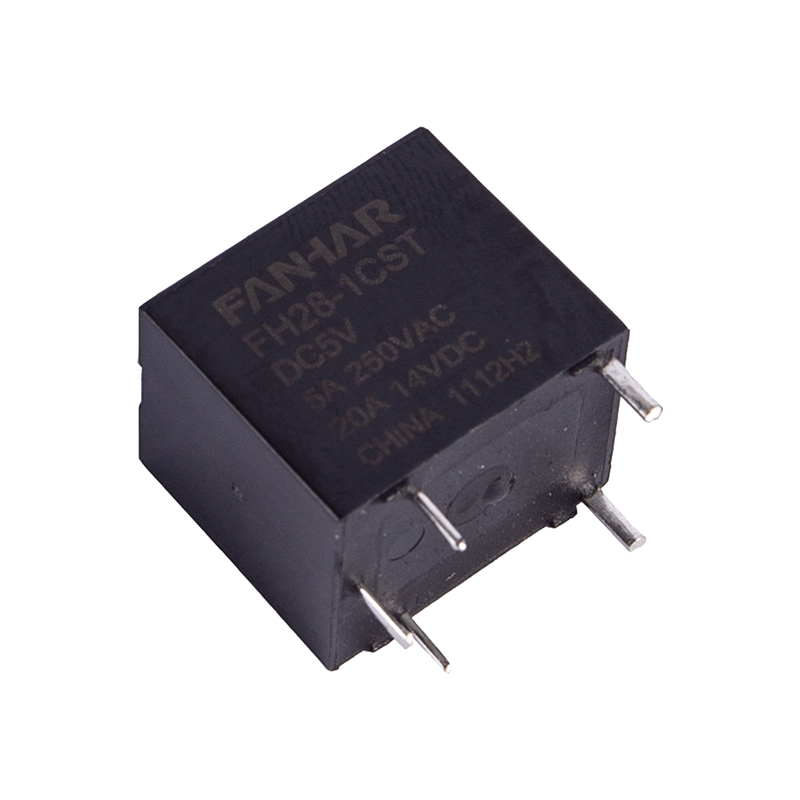 FH28 5A 20A Automotive Relay
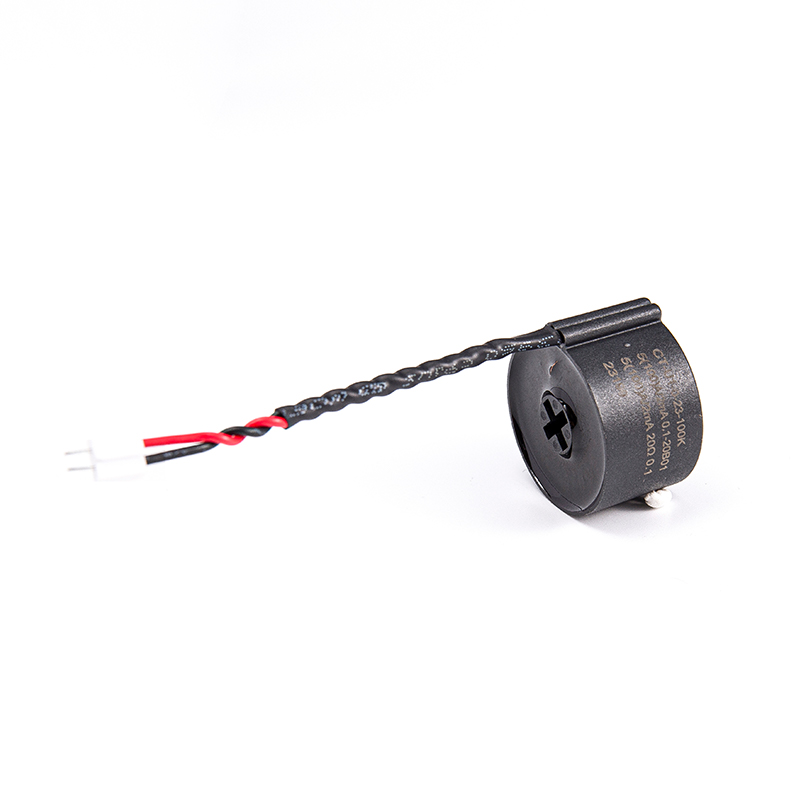 FHDCT-004 Current transformers for industrial power distribution monitoring
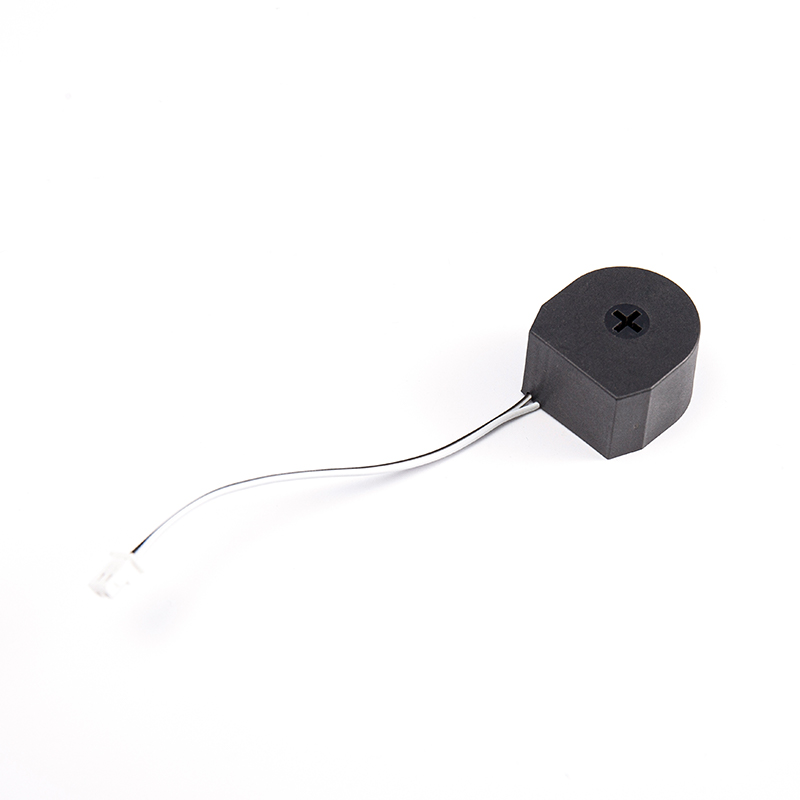 FHDCT-055 High-precision and low-error current transformer
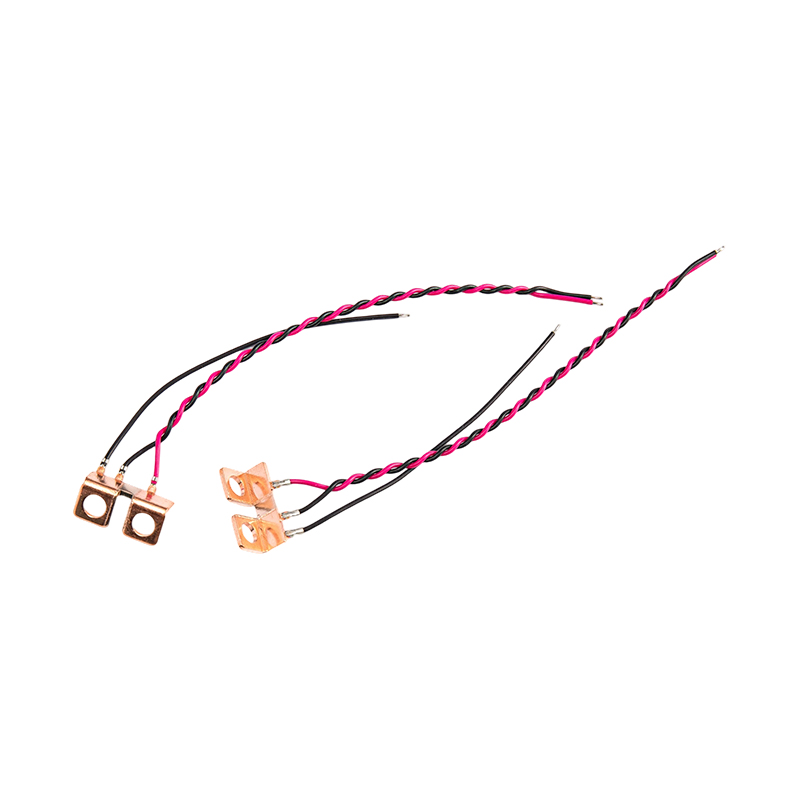 FHS-012 Industrial Automation Equipment Shunt
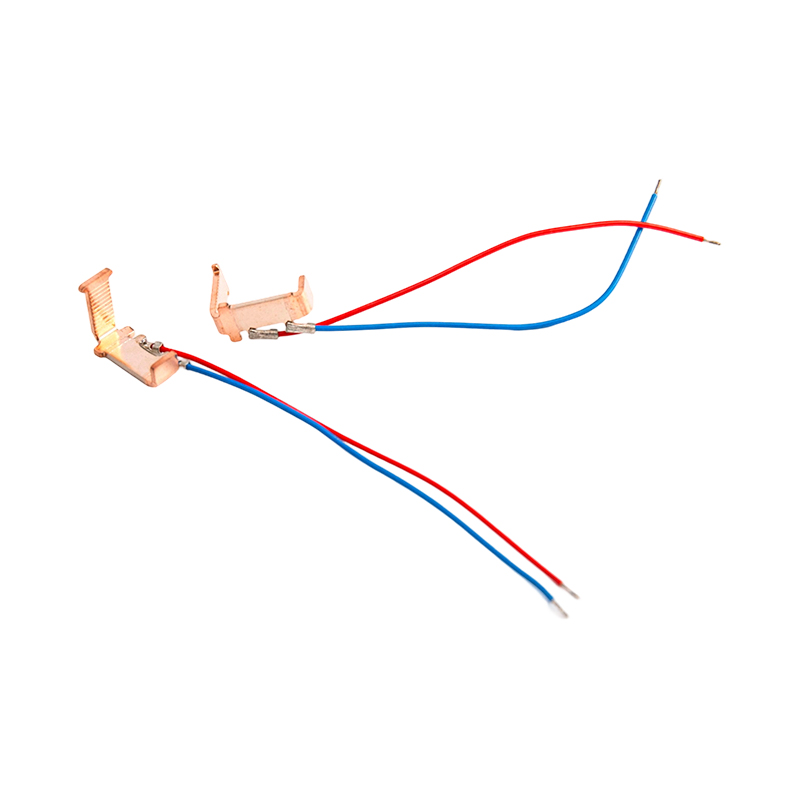 FHS-015 Low power consumption and high stability shunt

 Previous