 EN
EN
 English
 Español
 русский
 简体中文
简体中文

News
Home / News / Industry News / Industrial Automation Industries: Fanhar's Reliable Relay & Sensor Solutions
Content
Industrial automation industries depend on thousands of small components working together without failure. When a conveyor stops or a PLC loses its input signal, the cause is often not the controller itself, but a relay that welded its contacts or a current transformer that drifted outside its accuracy class. Fanhar Electronics, a Zhejiang-based manufacturer with 30 fully automated production lines, supplies the switching and sensing components that keep these systems running. This article explains what defines industrial automation, how the industry is divided into distinct levels, and where Fanhar's components fit into that ecosystem.
Industrial automation industries use control systems—such as programmable logic controllers (PLCs), sensors, actuators, and software—to operate machinery with minimal human intervention. The goal is consistent output, predictable quality, and reduced labor dependence. However, every automated line has a field level where physical actions occur. Relays, current transformers, and shunts act at that field level to complete circuits, detect load current, and provide feedback to higher control layers.
The industry can be broken into three automation types:
In all three, the control layer depends on reliable electromechanical components. If a relay fails after 50,000 operations instead of its rated 100,000, the entire line stops.
Industrial automation industries are a subset of broader automation. The main difference is the duty cycle, environmental stress, and safety requirements. Commercial building automation might switch lights few times a day. Industrial automation switches motors, solenoids, and heaters hundreds of times per hour under voltages from 12 VDC to 415 VAC, often in enclosures that exceed 60°C.
When an industrial control panel designer chooses a relay, four factors dominate:
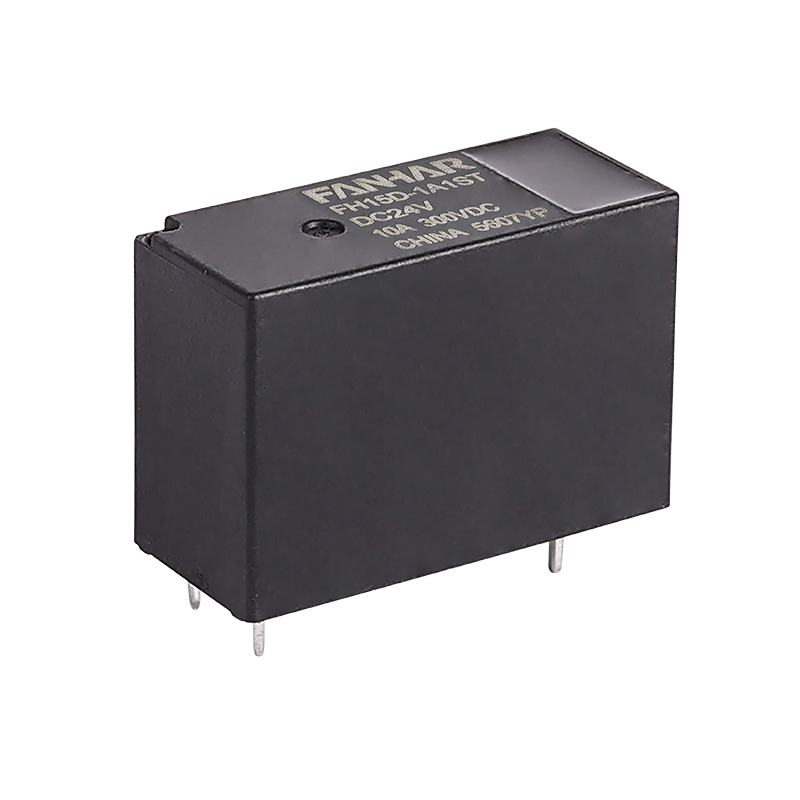
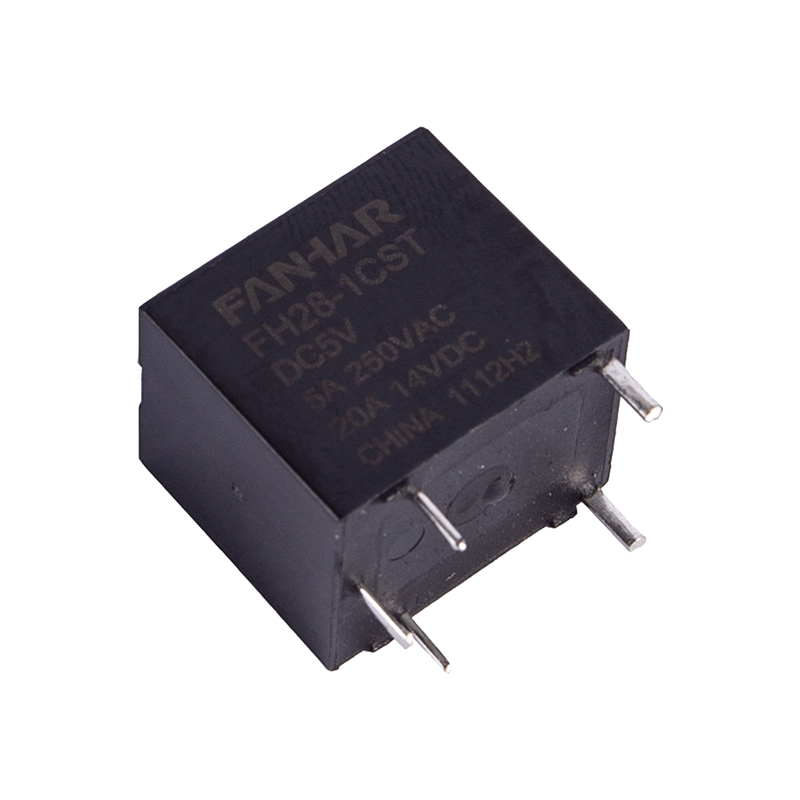
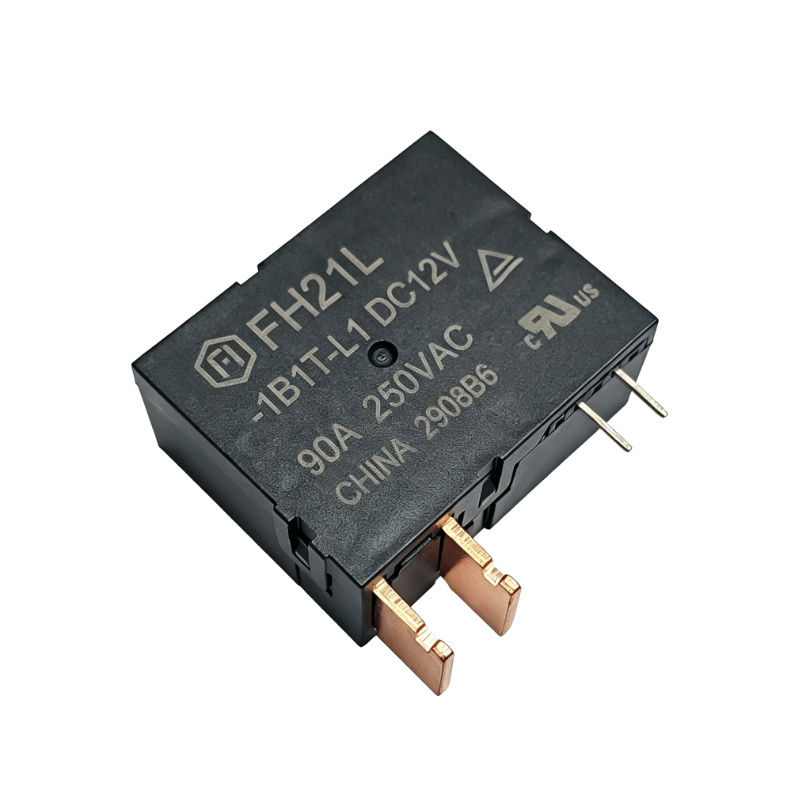
Fanhar's FH55T 8 A industrial relay is an example of a component designed for these conditions. It carries UL, TUV, and CQC approvals, which are recognized worldwide for control panel use.
The temperature tolerances matter because panel enclosures trap heat from surrounding equipment. A standard relay rated at 70°C may fail in a cabinet that reaches 85°C during summer production peaks. An industrial relay rated for 105°C operation remains within its specification.
Relays handle switching, but the automation loop also requires feedback on motor current, load imbalance, or energy consumption. This is where current transformers (CTs) and shunts enter the picture. CTs provide galvanic isolation for current measurement, which is essential for industrial power distribution monitoring. Shunts deliver high-precision low-resistance measurement for DC circuits, including communication equipment power supply.
In a factory setting, a three-phase CT set monitors the incoming line to a motor control center. If one phase drifts due to an overloaded winding, the CT detects the imbalance and sends a signal to the PLC, which can trigger a warning or shut the motor down before overheating. Placement and accuracy class are crucial:
| Application | Accuracy Class | Typical Ratio |
|---|---|---|
| Motor overload protection | Class 1 | 100/5 A |
| Energy metering | Class 0.5 | 250/5 A |
| Process monitoring | Class 3 | 50/5 A |
Selecting the wrong class creates a risk when the PLC uses current feedback for process control. For example, a Class 3 CT might show 90% load when actual load is 80%, causing the control algorithm to throttle the process unnecessarily or operate outside the intended safety margin.
Fanhar's FHDCT004 current transformers for industrial power distribution monitoring target this exact application: monitoring incoming or branch power distribution cabinets in factories.
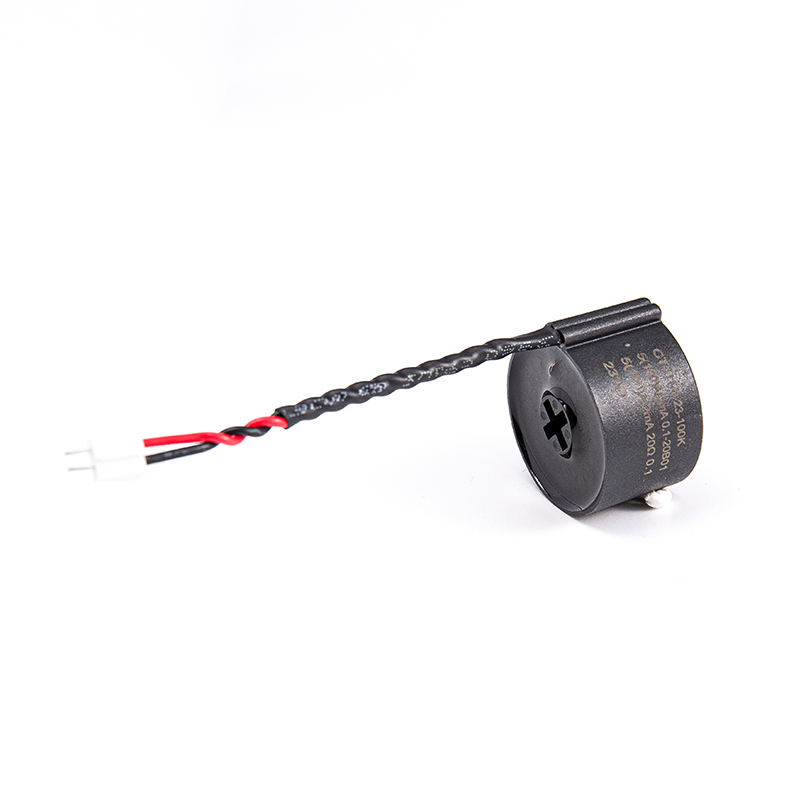 Current Transformer for Industrial Power Distribution MonitoringDesigned for incoming or branch power distribution cabinets, this transformer measures 5A to 240A with high accuracy and low loss, meeting ANSI/IEC standards. Its shielded version prevents tampering, ensuring reliable data for power quality and system management.View Product →
DC automation systems—used in robotics, battery-powered conveyors, and UPS systems—require precise current sensing. A shunt resistor converts current to a measurable voltage drop. The tolerance and temperature coefficient of a shunt determine how accurately the PLC or controller reads the current. For example, a 100 A shunt with a 75 mV output and a 0.1% tolerance gives a predictable signal. But if the shunt has a high temperature coefficient, the reading drifts as the resistor heats, producing false trip signals or inaccurate battery state-of-charge calculations.
Fanhar offers a series of shunts designed with anti-vibration, anti-aging, and anti-electromagnetic-interference characteristics for industrial equipment. The FHS012 industrial automation equipment shunt is specifically developed for automation equipment, integrating stability against vibration and EMI common in factory environments.
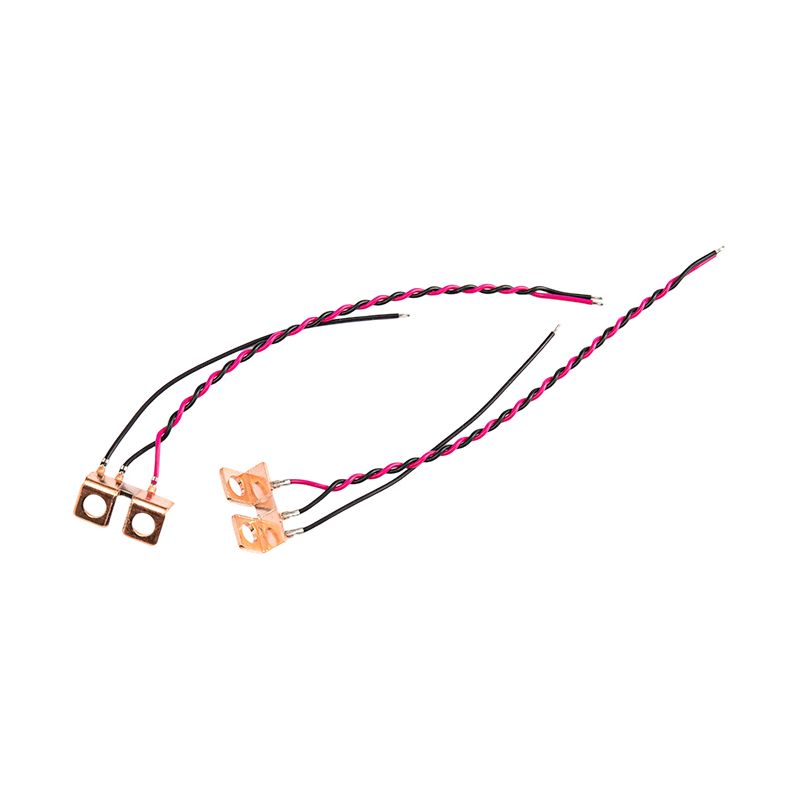 Shunt Resistor for Industrial Automation EquipmentThis shunt offers stable current sensing for motor control and power management in automation systems. With high power, low impedance, and resistance to vibration and EMI, it ensures accurate readings and helps manage heat dissipation for long-term reliability.View Product →
More importantly, shunt selection must account for power dissipation. A 100 A shunt with a resistance of 0.75 mΩ dissipates 7.5 W at full current. Without proper mounting and ventilation, the heat can drift the resistance value and reduce the long-term stability of the measurement.
A reliable industrial automation design balances component cost with failure risk. When selecting a relay, the first step is not to check the catalog price, but to define the worst-case operating profile. Use the following data points to qualify a relay: maximum switching cycles per day, inrush current at the moment of contact closure, whether the load is resistive, inductive, or capacitive, ambient temperature in the enclosure, and the required coil operating voltage range.
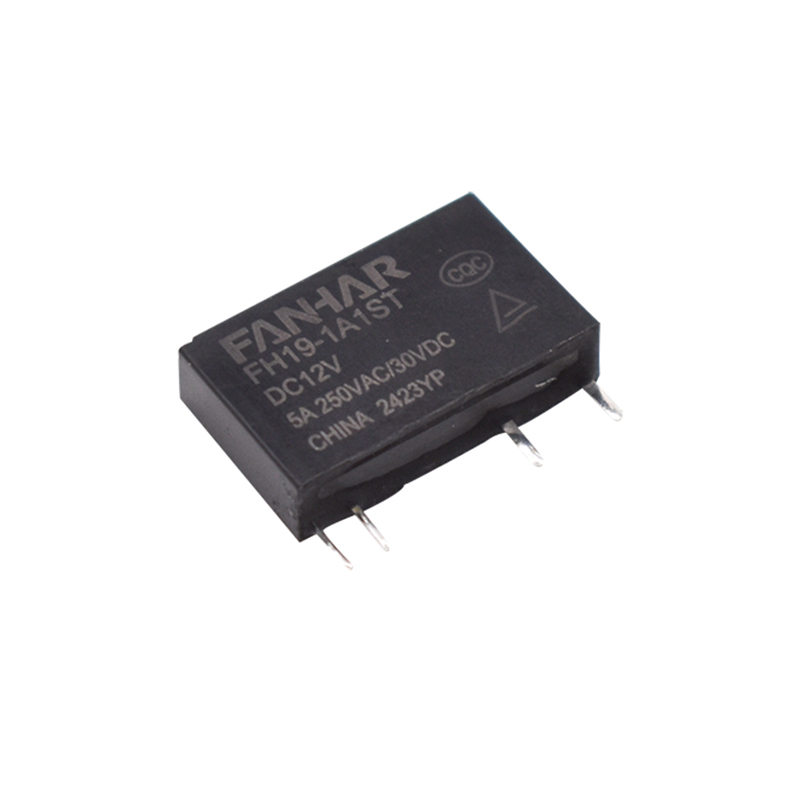
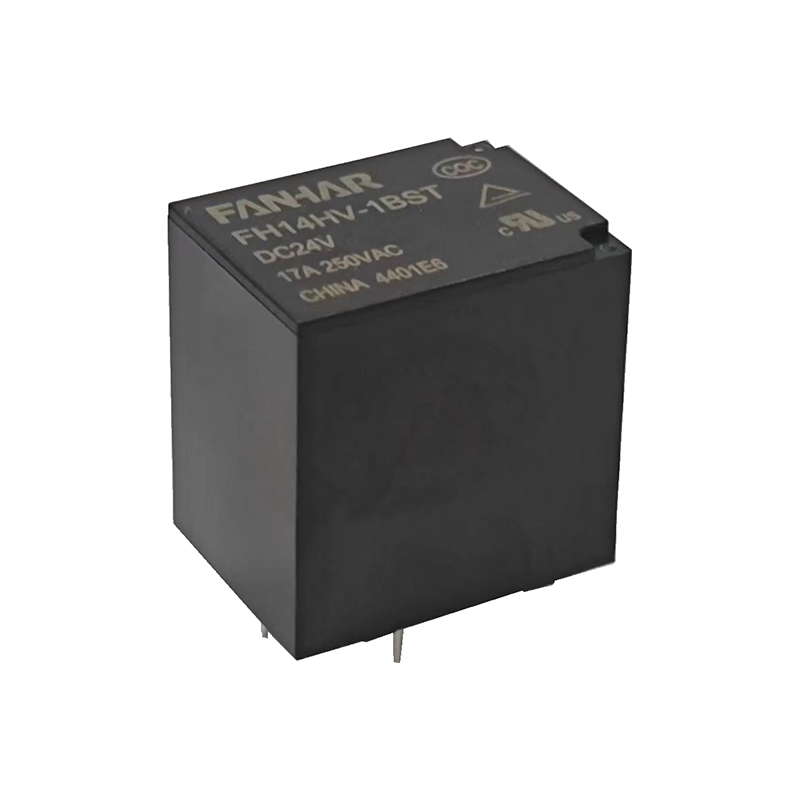
Fanhar's industrial relay series provides options for various contact arrangements, including bifurcated crossbar contacts. A bifurcated contact uses two parallel contact blades, offering more reliable contact for signal-level loads. It helps when the load current is low (10 mA) and oxide film build-up could otherwise prevent conduction. Relying on a standard double-contact relay may yield intermittent operation.
When specifying current transformers for input monitoring into PLC analog modules, note that the CT secondary current must not exceed the module's rated input. Most industrial meters accept 5 A secondary, but budget PLCs may accept 2 A. Connecting a 1000/5 A CT to a 2 A maximum input creates a dangerous condition where the input could reach 10 A under overload, damaging the module.
Industrial automation projects often suffer schedule delays when panel builders cannot source certified components in volume. A stable supplier with large production capacity and strict quality control reduces this risk. Fanhar's 30 fully automated production lines and 40% export share across more than 20 countries show a manufacturing capability that supports ongoing industrial demand.
The company also recommends how relay selection shapes the reliability of industrial control systems, covering contact forms, coil options, and environmental considerations for engineers who need a deeper reference before finalizing a panel design.
Industrial automation industries span many verticals, and component requirements change accordingly.
Elevator control panels and rail transit signaling systems rely on relays that can survive high vibration and frequent switching. A relay for a rail transit application should be tested for seismic tolerance and operate reliably with a narrow voltage window. Fanhar's industrial relay series supports applications requiring UL 508 recognition, which is a common requirement for control panels in transportation infrastructure.
CNC machines use relays to switch coolant pumps, spindle brakes, and workholding solenoids. The switching load is inductive, causing contact arcing that erodes the contact material. Using a relay with AgSnO2 contacts improves resistance to welding and arc erosion compared to silver-nickel contacts. Fanhar offers power relays with AgSnO2 contact material for such a purpose, reducing maintenance frequency in machining environments.
Packaging lines run 24/7 with washdown cycles. Relays in these environments need sealed casings to prevent moisture ingress. Fanhar's flux-proofed or transparent dust cover options provide an additional barrier against dust and water vapor.
As a component supplier, Fanhar Electronics sits at the field level of automation industries. The product portfolio covers the two essential functions: switching current via relays and measuring current via current transformers and shunts. The company's certifications—ISO9001, ISO14001, ISO45001 plus UL, TUV, and CQC product approvals—reduce the need for separate qualification testing by panel builders, speeding up project timelines.
Using ready-approved components also opens export opportunities. When a machine builder sells an automation line to a factory in Europe, the panel must meet CE requirements. A relay with TUV certification simplifies the conformity assessment process.
For new industrial automation projects, direct inquiries to Fanhar can begin at their industrial control application section, which describes how relays and sensing components are applied across the sector.
A relay isolates low-voltage control electronics from high-power loads. It allows a PLC or microcontroller to switch motors, heaters, and solenoids safely, while also enabling logic isolation between control and field circuits.
Current transformers provide galvanic isolation between the measured circuit and the measuring instrument. This is important for safety and for preventing ground loops in AC power systems. Shunts are typically preferred for DC circuits where the measurement only requires a series resistance and no isolation.
Most common cause is contact welding from excessive inrush current. Selecting a relay with a switching capacity that accounts for motor inrush and choosing contact materials such as AgSnO2 reduces the risk.
Yes. Fanhar has earned a reputation in the industry for handling non-standard design requirements, including custom contact arrangements and coil voltages, in small batches.
Accuracy class indicates the maximum permissible error at the rated current. Class 1 signifies 1% error, Class 0.5 signifies 0.5% error. For automation control loops, Class 1 or higher (lower number) is generally acceptable, while for energy billing, Class 0.5 or 0.2 is used.
If you have any questions, please fill out the contact form at the bottom of the page and contact us.

 Previous