 EN
EN
 English
 Español
 русский
 简体中文
简体中文

News
Home / News / Industry News / How to Choose Between a Power Relay and an Electrical Contactor for Heavy-Duty Power Control?
Content
In industrial automation, HVAC systems, motor control centers, and heavy machinery, the reliable switching of high-power loads is critical. Engineers frequently face the decision between using power relays and electrical contactors. While both are electromagnetic switches, their construction, arc handling capability, and continuous current ratings differ significantly. Misapplication leads to contact welding, premature failure, or even fire hazards. This article delivers a technical comparison focused on inductive loads, inrush current, contact pitting, high-voltage switching, and horsepower ratings — helping you select the right device for each heavy-duty scenario.
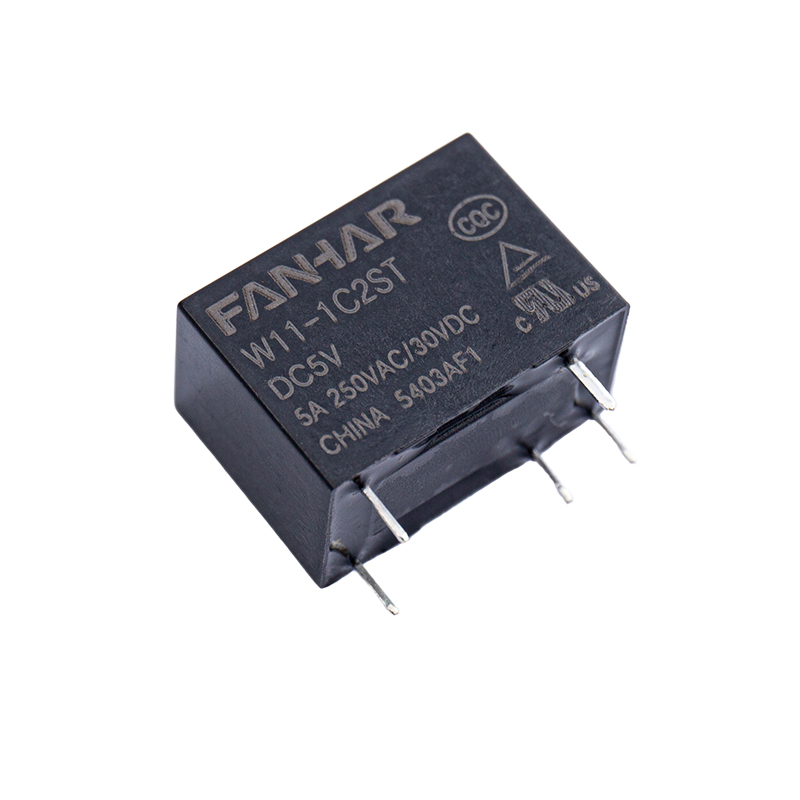
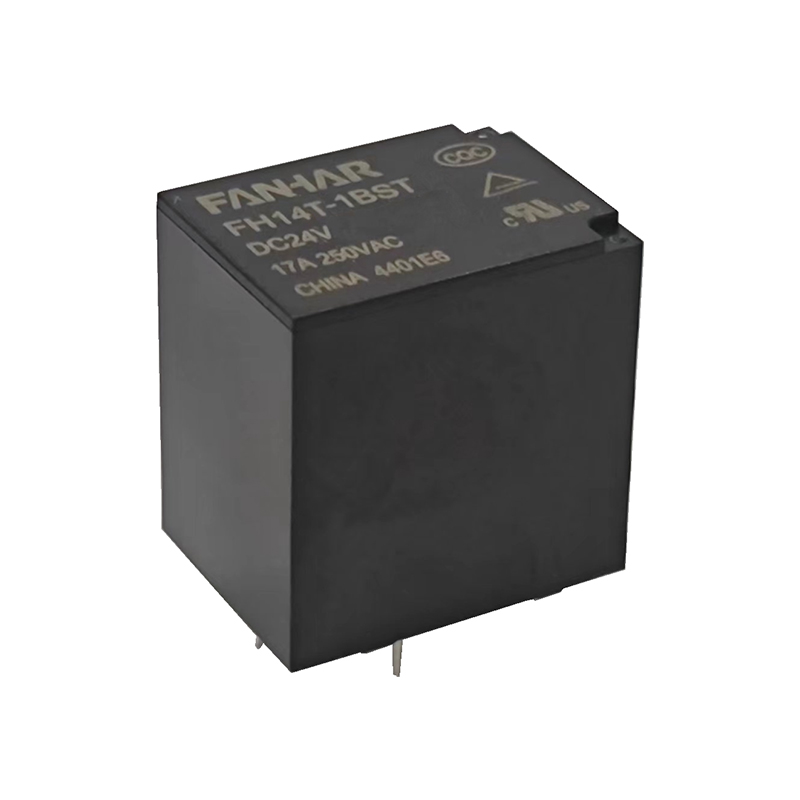
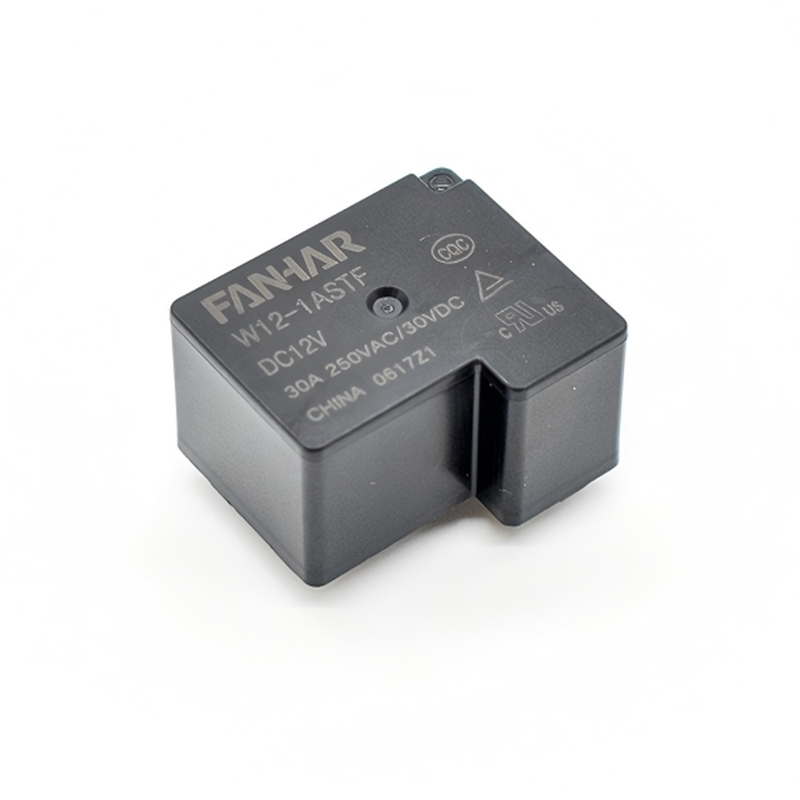
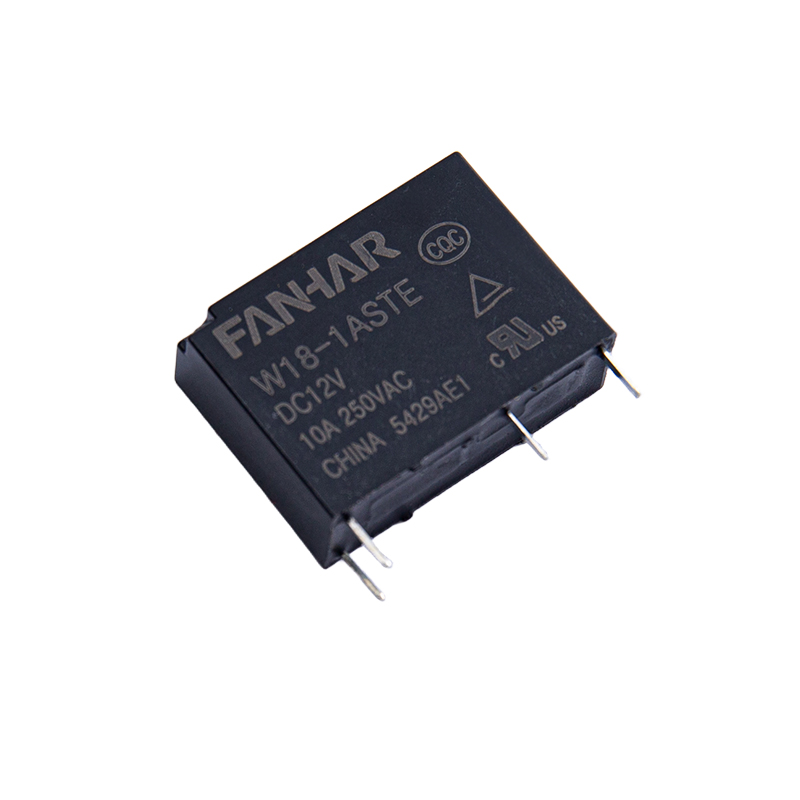
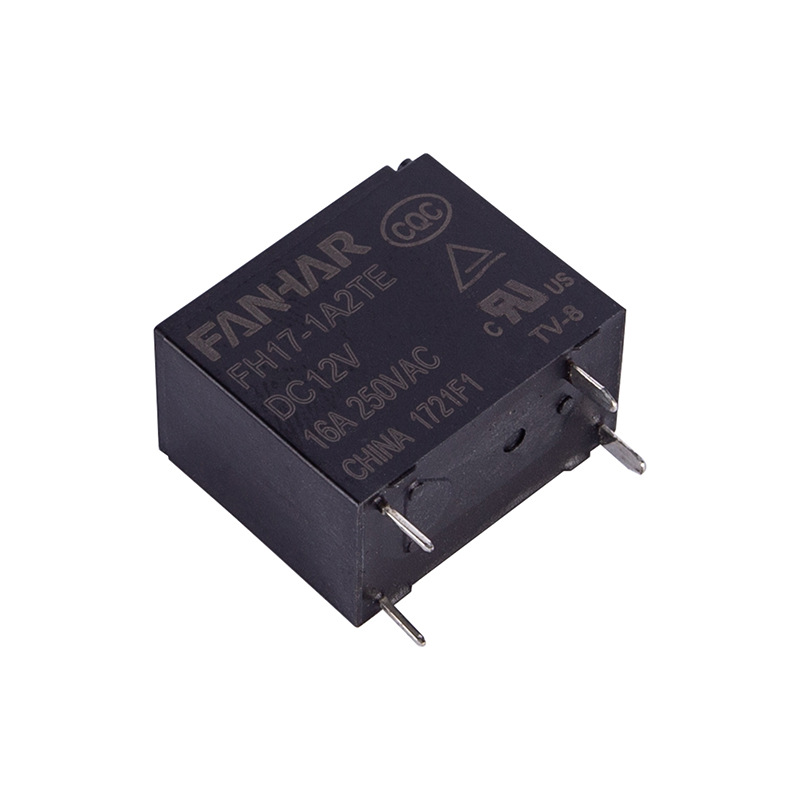
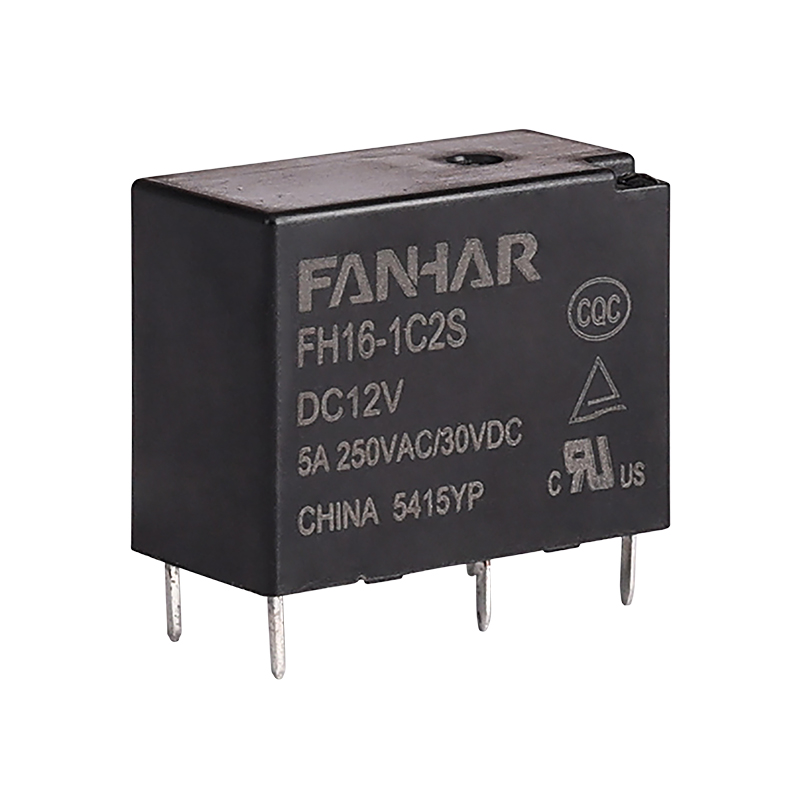
A power relay is an electromechanical switch designed for moderate to heavy loads (typically 10 A to 40 A at 250 V AC/DC) but with a compact form factor. Unlike signal relays, power relays feature larger contacts, higher contact forces, and often sealed enclosures. They are used for direct control of small motors (up to 1 HP), solenoids, lighting banks, and pilot duty circuits. However, their ability to interrupt inductive loads is limited by the absence of dedicated arc chutes.
Contactors are purpose‑built for relay heavy duty applications, routinely switching motors, capacitor banks, and resistive heaters up to hundreds of amperes. They incorporate robust arc chutes, double‑break contacts, and high‑coil insulation. A motor contactor must handle locked‑rotor inrush (6–10× FLA) and frequent switching without contact welding. Contactors also feature “AC‑3” or “AC‑4” utilization categories defining their ability to start and stop squirrel‑cage motors.
The table below quantifies the key differentiators based on industrial standards (IEC 60947, UL 508).
| Parameter | Power Relay | Electrical Contactor |
|---|---|---|
| Typical Current Range | 10 A – 40 A (resistive); 5 – 20 A (inductive) | 20 A – 800 A+ (motor loads) |
| Maximum Switching Voltage | 250 V AC / 30 V DC (common); 600 V for special types | 690 V AC / 400 V DC (industrial grade) |
| Horsepower Rating (230 V AC) | Usually up to 1 HP (some up to 2 HP) | 3 HP to 300 HP (or higher) |
| Arc Suppression | None or magnetic blowout (small) | Arc chutes + de-ion plates |
| Inrush Current Tolerance | 3–5 x rated (short duration, limited cycles) | 10–15 x rated (repetitive, e.g., motor starting) |
| Mechanical Life | 500k – 5M operations (light load) | 1M – 10M operations (rated load) |
| Typical Application | Pilot duty, small fans, solenoid valves | Compressors, pumps, conveyors, heaters |
Note: Overlap exists – some "definite purpose" contactors overlap with high-end power relays, but the presence of arc chutes and contactor-style enclosures defines the category.
Inductive loads (motors, transformers, solenoids) store energy in magnetic fields. When contacts open, this energy sustains an arc across the gap, causing contact pitting and material transfer. For a 10 A inductive circuit, arc temperatures can exceed 6000°C, eroding contacts within hundreds of cycles if not managed. Power relays without arc chutes typically endure 20,000–50,000 operations at rated inductive load, while a contactor equipped with arc chutes surpasses 500,000 operations.
Consider a 3‑phase 5 HP motor (230 V AC): full‑load current ≈ 15 A, but inrush during start reaches 90 A for 0.1–0.4 seconds. A standard 30 A power relay would experience severe contact bounce and welding. A NEMA‑size contactor with arc chutes and silver‑tin‑oxide contacts handles such transients reliably. Inrush current management is the primary reason motor control centers mandate contactors.
As shown above, the contactor’s arc chute splits and elongates the arc, increasing resistance and cooling it, resulting in faster extinction (typically under 10 ms). Power relays rely on contact speed alone, leading to longer arcing times and severe contact pitting under high inductance.
A pilot duty relay is a special subset of power relays designed exclusively to switch the coil of a larger contactor or solenoid. Its contacts are rated for low inrush (typically 2–5 A at 240 V AC) but must withstand the inductive kickback from the contactor coil. Pilot duty relays feature improved dielectric strength and often include coil suppression (diode or varistor). In industrial panels, they form the interface between a PLC or thermostat and the heavy‑duty motor contactor.
Why not use a contactor as a pilot device? Contactors are oversized, costly, and draw higher holding current. A pilot duty relay consumes < 2 VA while a small contactor coil may draw 10–20 VA. Hence, the combination pilot relay → main contactor is the backbone of efficient motor control.
Key spec: Look for “pilot duty rating” on the relay datasheet – e.g., “C300” or “R300” per NEMA ICS 2, indicating the relay can break 3 A at 300 V AC with an inductive power factor of 0.75.
Never operate a power relay at its resistive rating when driving motors or solenoids. Apply a derating factor of 0.4–0.6. For example, a 30 A relay should be used at ≤ 15 A inductive to avoid premature arc damage.
Add RC snubbers (resistor‑capacitor) across relay contacts to reduce arcing when switching inductive loads. For contactors, built‑in surge suppressors across the coil are mandatory to protect pilot relays.
Silver‑cadmium oxide (AgCdO) contacts resist welding under inrush, but environmental regulations push for silver‑tin oxide (AgSnO2). Both perform well in contactors; power relays often use fine‑silver or silver‑nickel, which erode faster under arcing.
Not recommended for motor loads. A contactor's current rating (e.g., 40 A AC‑3) is for making and breaking motor inrush. A 40 A power relay's rating is typically for resistive load — under inductive conditions, its actual capacity drops to ~16 A, leading to rapid failure. Always verify utilization category.
At resistive full load (30 A, 240 V AC, 10 ops/hour), a high‑quality power relay may achieve 200,000 cycles. A similar contactor with arc chutes can exceed 1,000,000 cycles. For inductive loads (e.g., motor switching), the contactor often outlasts the relay by a factor of 10 or more.
Definite purpose contactors are optimized for specific applications like HVAC compressor or lighting – they are smaller than industrial contactors but still include arc chutes. Use them when you need UL or IEC certification for motor starting. Power relays remain suitable for pilot duty or small fan control only.
Horsepower (HP) rating defines the maximum motor size a device can safely start and stop. It accounts for inrush current and arc severity. A contactor with a 10 HP rating at 230 V AC can switch a 10 HP motor (approx 28 A FLA) without welding, whereas a relay lacking HP rating would overheat. Always match or exceed the motor HP rating.
Absolutely — this is the intended use of a pilot duty relay. However, ensure the relay’s pilot duty rating (e.g., 3 A at 240 V AC) matches the contactor coil inrush (typically 2–6 A). Using an underrated relay may weld its contacts, keeping the contactor energized.
Inrush (e.g., motor starting) can be 6–10 times steady‑state current. Power relays often bounce at closure, creating multiple arc strikes. Contactors are designed with over‑sized contacts and arc chutes that tolerate high inrush without degradation. For any inrush > 50 A, a contactor is mandatory.
Select power relays for pilot duty, resistive loads up to 30 A, small single‑phase motors (≤ 1 HP), and low switching frequencies. Choose electrical contactors for three‑phase motors, any inductive load exceeding 2 HP, high cycle rates, or environments where arcing and contact pitting must be minimized. Always respect the horsepower rating and consider adding arc suppression to maximize life. By understanding the difference between a contactor and a relay, you design safer, more durable power control systems.
If you have any questions, please fill out the contact form at the bottom of the page and contact us.

 Previous